
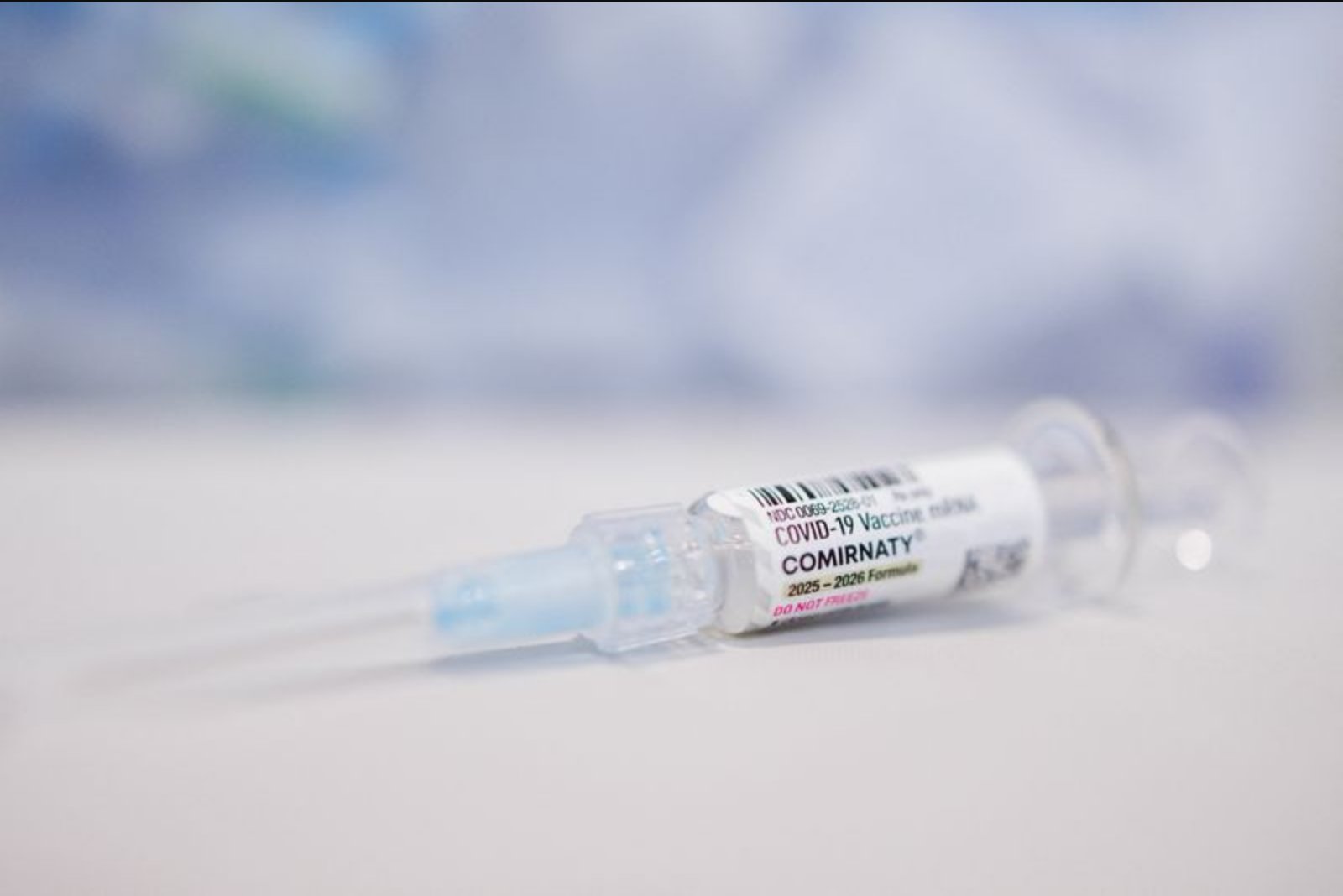
Pfizer and BioNTech announced they will suspend surveillance in a major U.S. trial of an updated COVID-19 vaccine intended for healthy adults aged 50 to 64, saying the study cannot generate the post-marketing evidence regulators requested because of insufficient enrolment.
In a letter to trial investigators dated March 30, the companies said they will discontinue surveillance for signs of COVID-19 illness among all study participants after April 3. They also said enrollment for the trial had been closed on March 6 following a review of current epidemiological trends.
The trial targeted roughly 25,000 to 30,000 participants and was designed to evaluate efficacy, immune response and safety of the updated vaccine in a healthy 50-64 age cohort. Pfizer and BioNTech said they had informed the U.S. Food and Drug Administration of their intention to halt the study, citing difficulty in recruiting enough volunteers.
Company statement and market reaction
The companies said in their communication that the decision to stop the study "is not ending as a result of any safety or benefit-risk concerns. We intend to stop the study due to slow enrollment and therefore the inability to generate relevant post-marketing data." Following the announcement, shares of Pfizer and U.S.-listed BioNTech were up about 0.5%, while rival Moderna’s shares rose roughly 2%.
Regulatory context and recruitment constraints
The pause comes after the FDA raised the evidentiary bar for COVID-19 vaccine use last year, including a requirement for large, placebo-controlled trials in the 50-64 age group for inclusion in agency recommendations. The FDA also required participants in this trial to be healthy adults without chronic conditions such as hypertension or diabetes.
Recruiting that specific population proved difficult. Two sources from companies managing 18 of the trial’s 208 sites said Pfizer had told them in writing in early March to stop recruitment. Executives at contract research organizations working on the study described heavy pre-screen failure rates, with one saying that more than 80% of potential participants fail a pre-screen because they do not meet the strict health criteria.
"This is a very difficult population to recruit," one CRO executive said, noting the combination of tight health restrictions and the scale required made enrollment particularly challenging.
Timing and advisory process
The Pfizer-BioNTech decision occurs ahead of an expected May meeting of the FDA’s Vaccines and Related Biological Products Advisory Committee. That advisory meeting would typically use trial data to inform decisions on strain selection for COVID-19 vaccines later in the year. Several experts have previously warned that requiring large new trials could constrain data availability and delay presentations, potentially affecting specific approvals for lower-risk groups.
Without the trial data, public presentations to the advisory committee are unlikely, and regulators may not have the specific evidence to provide approval targeted to the 50-64 age band, according to outside public health experts who have previously commented on the process.
Comparative efforts at Moderna and the broader market
Moderna continues to run a comparable U.S. study that aims to recruit 30,000 volunteers, though sources at four sites said that trial is also facing recruitment challenges. Moderna’s study is expected to be completed in June 2027.
Currently, no COVID-19 vaccines hold full FDA approval specifically for healthy adults aged 50 to 64. Pfizer and BioNTech’s Comirnaty and Moderna’s Spikevax and next-generation mNEXSPIKE are approved for adults aged 65 and older and for younger people who are at higher risk of severe COVID-19.
Demand trends and public health figures
Demand for COVID-19 shots has diminished substantially from pandemic peak levels. Data from the U.S. Centers for Disease Control and Prevention show that only about 18% of Americans received a COVID booster during the 2025-26 season. The virus still contributes to tens of thousands of deaths annually in the United States, with estimates of 8,000 to 12,000 deaths among adults aged 50 to 64.
For approved groups, updated COVID vaccines have typically been cleared on the basis of immune response data that demonstrate how a reformulated shot generates antibodies against circulating variants, following an approach similar to influenza vaccine strain updates.
What the halt means in practical terms
Operationally, stopping surveillance after April 3 means that investigators will cease actively monitoring enrolled participants for new COVID illness events required to support the trial’s endpoints. Enrollment had already been closed on March 6, and the companies framed the halt as a consequence of recruitment shortfalls rather than safety or efficacy concerns.
How this will affect regulatory timelines for broader authorization or labeling specific to the 50-64 cohort will depend on whether alternative datasets or other evidence can be presented to advisory committees and regulators in lieu of the halted study.
Key immediate facts
- Pfizer and BioNTech will stop surveillance in a U.S. trial of an updated COVID vaccine for healthy adults aged 50-64 after April 3.
- Enrollment for the study was closed on March 6; the letter to investigators was dated March 30.
- The trial target enrollment was approximately 25,000 to 30,000 participants but recruitment proved insufficient, in part because the FDA required participants to have no chronic conditions.