
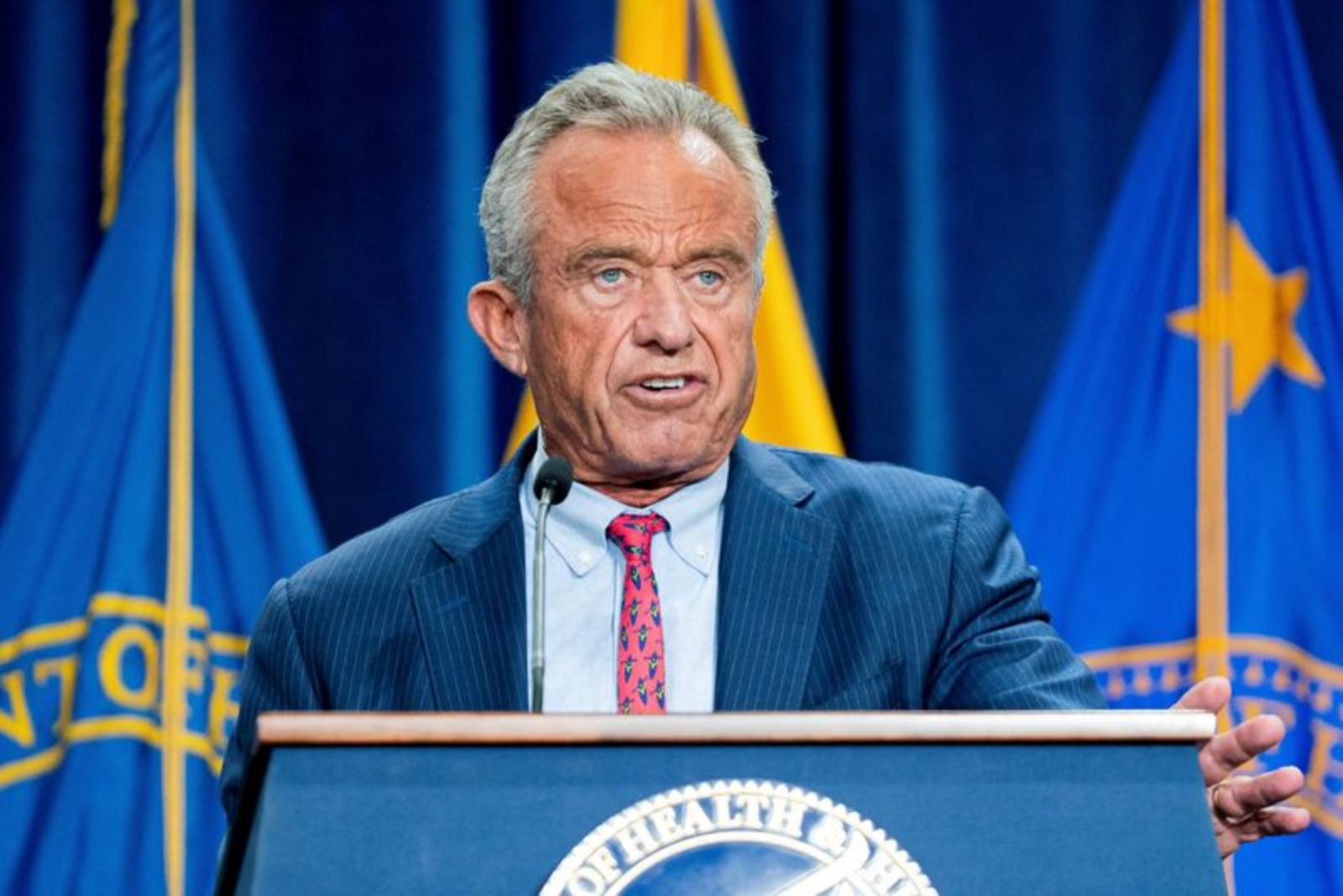
Federal advisory activity that shapes which preventive medical services are covered at no cost by many health plans has stalled after U.S. Health Secretary Robert F. Kennedy Jr. sidelined the U.S. Preventive Services Task Force, medical experts and stakeholders say. The 16-member panel, created in 1984, last convened more than a year ago and has had three planned meetings canceled in succession.
Officials have not named replacements for five volunteers whose terms expired in December, leaving the task force unable to proceed with a slate of guideline updates. Those updates include reviews of prostate cancer screening, genetic testing for a mutation linked to breast cancer, and guidance on drugs intended to prevent breast cancer in people at high risk.
"Without the task force commercial insurances can choose or not choose to cover these new preventive services," said Dr. Alex Krist, a family practice physician at Virginia Commonwealth University and a former chair of the preventive care panel, describing how the group's determinations shape insurer obligations.
The task force typically produces about 22 draft and final recommendations each year; it posted seven over the last year and none have been released so far this year. Several reviews were in progress before activity slowed, including evaluations of cervical cancer screening and whether vitamin D reduces fractures and falls in older adults, as well as screening for unhealthy alcohol use and depression.
Experts emphasize that the task force plays a distinct role in weighing population-level benefits and harms. "We have to rely on a trusted group of experts who have really weighed the benefits and risks and are looking at overall population health and doing no harm," said Dr. Julie Gralow, chief medical officer at the American Society of Clinical Oncology. "Patients do trust these as well."
Advocates for the panel have urged congressional action to "protect the integrity" of the task force. Last month, 19 U.S. senators wrote to the health secretary asking him to support the panel's work.
Observers note the sidelining of the task force aligns with broader aims articulated by the current administration to reshape federal health regulation. "The current administration would not only like to cut back on regulation, they would definitely like to cut back on required benefits under the Affordable Care Act," said Joseph Antos, senior fellow emeritus at the American Enterprise Institute.
Governance authority over the task force was affirmed by the U.S. Supreme Court in a 2025 ruling that involved insurance coverage for HIV prevention, which confirmed the Health Secretary has authority over the preventive care panel.
The task force in 2023 recommended that people at high risk be treated with drugs to prevent HIV infection. That recommendation has not been updated to include Gilead Sciences' newer twice-yearly injection, Yeztugo. Because no task force update has incorporated the newer product, patient costs for Yeztugo are determined by individual plans, UnitedHealthcare said in an email. The insurer also said its commercial plans cover older HIV prevention medications at zero cost to patients.
Clinical guidance and insurer coverage are intertwined in other areas as well. An update to cervical cancer screening remains in draft form. Regulators approved the first at-home pap smear last year, and a different federal agency has required that it be covered by insurers beginning in 2027.
Cardiovascular specialist groups recently recommended that adults at high long-term risk of heart disease begin cholesterol-lowering treatment as early as age 30, in contrast to a current recommendation that starts at age 40. The guideline proposals from these specialty groups could affect millions if the federal task force adopts similar advice; however, unless the task force issues matching recommendations, insurers are not required to broaden coverage, trade group America's Health Insurance Plans and UnitedHealthcare said in emails.
Experts in primary care say the current uncertainty complicates decision-making at the front lines of medicine. "Primary care is kind of struggling with what we should do," said Virginia Commonwealth's Krist. "The task force is meant to be objective."
Supporters of early detection note its clinical and economic value. The American Cancer Society has said early cancer detection saves lives and money, while also noting that such programs carry upfront costs. A recent study estimated the lifetime cost of mammography for an average-risk U.S. woman at about $7,000.
Medical organizations do not always concur with the task force's conclusions, but many have called for preserving the panel's independence and process. Pending reviews that stalled when meetings were canceled also include whether vitamin D supplementation prevents fractures and falls among older individuals, and assessments of screening for unhealthy alcohol use and depression.
With vacant seats on the 16-member panel and several meetings canceled, the timetable for resuming normal guideline development remains unclear. The absence of updated task force recommendations leaves coverage decisions to individual insurers in the near term and adds an element of uncertainty for clinicians, patients and the health plans who underwrite preventive services.
Key takeaways
- Delay of the U.S. Preventive Services Task Force has paused updates to screening and preventive care recommendations that influence insurer coverage - impacting health insurers, primary care clinicians and patients.
- Important reviews on prostate and cervical cancer screening, genetic testing tied to breast cancer risk, HIV prevention drugs and cardiovascular risk management are among those affected.
- The pause creates immediate uncertainty for insurers and clinicians about which new tests and treatments must be covered at zero cost under current federal frameworks.
Risks and uncertainties
- Insurance coverage inconsistency - Without updated task force recommendations, insurers may vary in whether they cover newer preventive services, affecting patient out-of-pocket costs and access to care.
- Clinical decision-making strain - Primary care providers face ambiguity about best practices while awaiting objective, population-level guidance from the task force.
- Delayed public health impact - Postponed recommendations for cancer screening, HIV prevention and cardiovascular risk could slow adoption of practices that would otherwise be standardized across plans.