
Seven physicians who specialize in treating obesity say that Americans initiating prescription weight-loss medications for the first time are focused on two practical considerations: lower out-of-pocket expense and dosing convenience. Those priorities have helped drive early interest in recently approved oral options from Novo Nordisk and Eli Lilly as the market shifts rapidly toward pharmaceutical approaches to obesity.
Danish pharmaceutical company Novo Nordisk released an oral form of semaglutide earlier this year following the market entry of its injectable Wegovy in 2021. In the three months since the pill’s approval, clinicians report that many patients have chosen the oral formulation because it avoids needles, does not require refrigeration and is more discreet to take.
"One person said I’d rather stay fat than ever use a needle. That’s a true fear," said Dr. Christina Nguyen, an obesity and family medicine physician in Atlanta, describing the reactions of some patients deciding whether to start a GLP-1 medication.
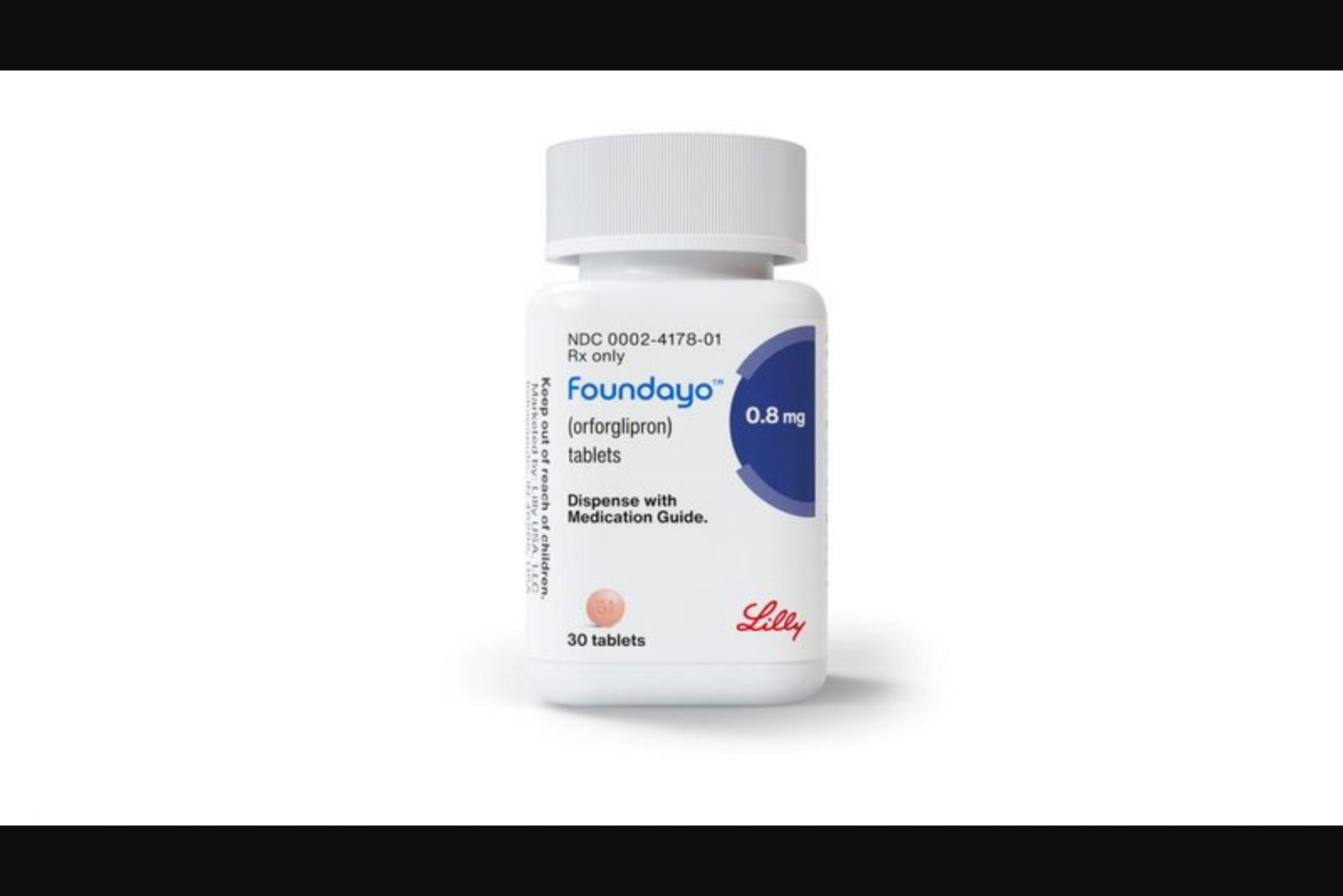
Adding to the oral treatment options, Eli Lilly’s Foundayo, which contains the active ingredient orforglipron, received approval and began shipping this week. That pill differs from oral semaglutide in its dosing instructions: oral semaglutide must be taken on an empty stomach with only a sip of water and no other medications or food for 30 minutes, while Foundayo can be taken at any time of day without food or water restrictions.
Pills expanding access
All seven obesity specialists interviewed reported that they have started prescribing oral semaglutide, with three saying the pill has been prescribed to roughly 10% of their patients. Most of those patients are new to GLP-1 therapies rather than being switched from injectable regimens, and many have not yet been escalated to the highest dosage available, the doctors said.
"It is expanding access to people who are not sure that an injectable is something they would feel comfortable doing on themselves, might be leery of needles, and they’re excited to have an option that is easier and more familiar to take," said Dr. Stefie Deeds, an internal and obesity medicine specialist in Seattle.
Physicians expressed a clear reluctance to transition patients who are tolerating and responding well to injections onto pills unless the patient requests it. "The patients we see who are taking medicines, whether it’s Wegovy or (Lilly’s) Zepbound, we’re not telling them to switch to oral Wegovy if they’re doing well," said Dr. Louis Aronne, director of the Comprehensive Weight Control Center at Weill Cornell Medical College.
Comparative effectiveness and clinical niches
Clinicians noted that some injectable therapies have shown greater average weight loss in trials and thus remain the preferred choice for patients with severe or complicated obesity. Zepbound, whose active ingredient is tirzepatide, has been shown in trials to reduce body weight by around 20% or more, making it a common selection for those at the higher end of the weight spectrum or with more complex clinical profiles.
"For somebody who is in the lower end of the weight spectrum, people who are more likely to be seen by primary care physicians, they would be more likely to use the orals," Aronne said, describing how clinical preference may vary by patient severity.
In randomized trials, Foundayo led to an average weight reduction of about 12% and oral semaglutide to about 14%. These outcomes shape how clinicians counsel patients about which therapy may be most appropriate for their circumstances.
Practical differences influence prescribing
Several doctors surveyed said they welcomed Lilly’s orforglipron approval because the different administration profile would give them more flexibility when presenting options. Nguyen suggested that if Lilly’s pill proves competitive on price with oral semaglutide, many patients and clinicians could favor the orforglipron formulation because of its convenience.
Novo Nordisk spokesperson Liz Skrbova told analysts that the company’s survey results indicate most patients would not find the timing requirements of oral semaglutide disruptive.
Endocrinologists also highlighted uncertainty about whether a distinct chemical class will replicate additional health benefits that have been observed with semaglutide. "I can’t guarantee that this totally different type of molecule is going to carry the same benefits," said Dr. Michael Weintraub of NYU Langone Health in reference to potential cardiovascular risk reductions associated with semaglutide. A Lilly spokesperson said that the company continues to study Foundayo and that many participants in its clinical trials experienced reductions in some cardiovascular risk markers.
Cost remains the dominant factor
Counsels from the seven physicians made clear that price is the single most important element for many patients choosing among GLP-1 medications. On a self-pay basis, the lowest monthly dose of both oral semaglutide and Foundayo starts at $149 per month, compared with $299 for Zepbound and $349 for Ozempic and injectable Wegovy.
Insurance coverage for GLP-1 medications now includes various restrictions, and physicians reported spending substantial time with patients to figure out how they might afford therapy. When a medication is covered by insurance, out-of-pocket monthly costs in some cases can fall to as little as $25 or $50, the doctors said.
"I feel more like a financial planner these days than a physician," said Dr. Catherine Varney, an obesity medicine physician and associate professor at the University of Virginia School of Medicine, describing the administrative and financial counseling that accompanies treatment decisions.
Varney and other clinicians cautioned that even with lower-cost oral options, the market remains out of reach for many patients. "This still is a market for upper-middle-class and above," Varney said, expressing concern about broad affordability.
Disclosures and clinical relationships
The doctors quoted in this report include clinicians who have relationships with the companies involved. Louis Aronne has consulted for Lilly, served as an investigator on the orforglipron clinical trial and is an advisory board member for both Lilly and Novo Nordisk. Catherine Varney is part of Lilly’s speakers bureau and advisory board. Other authors and spokespeople provided comments or company statements regarding patient experience and trial results.
Market outlook referenced by clinicians
Physicians interviewed described the obesity treatment field as fast-changing, with oral therapies widening access and increasing competition among pharmaceutical manufacturers. Some clinicians expect the treatment category to expand substantially in the coming years, and these dynamics are already shaping prescribing conversations centered on trade-offs among effectiveness, convenience and cost.
As new oral medications enter clinical practice and insurers refine coverage policies, doctors said they will continue to weigh individual patient preferences, tolerance for injections and the relative clinical benefits of different molecules when recommending a course of treatment.