
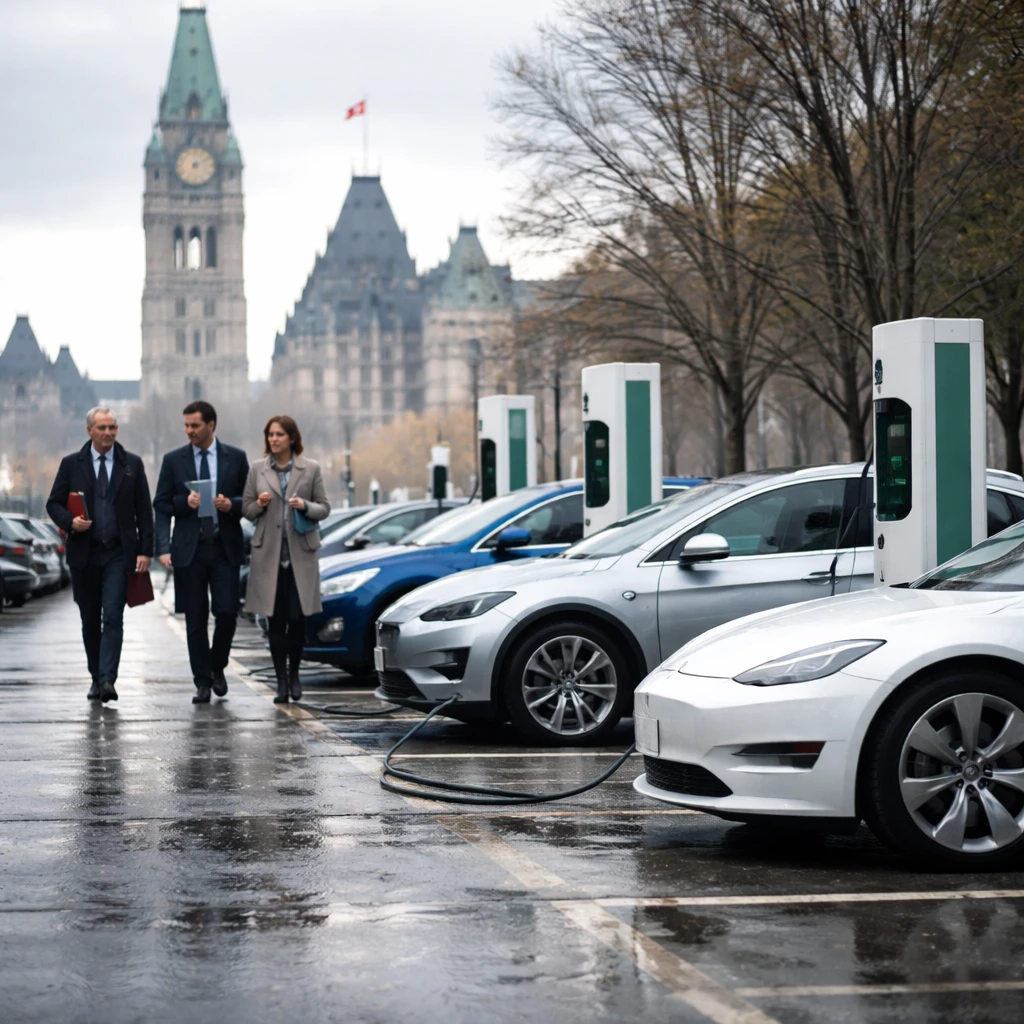
Ottawa is deliberating the potential restoration of federal purchase incentives for electric vehicles as it prepares to unveil a comprehensive national automotive strategy. Sources familiar with the matter say the government is seeking to align its climate commitments with a changing international trade environment while charting policy for the auto sector.
The original incentive program, referred to as iZEV, was put on hold just over a year ago after available funding was exhausted amid a surge in consumer demand. Before its suspension, the program offered buyers up to $5,000 toward the purchase of qualifying zero-emission vehicles.
The forthcoming national strategy is expected to clarify several outstanding items for the industry. Among them is the status of the federal EV sales mandate, which has been paused after concerns were raised by manufacturers and other stakeholders. A senior Canadian official also indicated that the strategy will consider infrastructure requirements and recent interest from foreign investors.
Officials describe the shift in policy thinking as connected to recent diplomatic and trade developments. Following a high-profile trip to Beijing by Prime Minister Mark Carney to discuss automotive import terms, Canada agreed to reduce tariffs on as many as 49,000 Chinese-made electric vehicles entering the Canadian market each year. In return, Chinese authorities pledged to lower or eliminate trade barriers on a range of Canadian agricultural exports.
Those close to the file say the national auto strategy aims to provide clarity for a sector already experiencing pressure from evolving global trade patterns. Cabinet ministers have not disclosed specific figures or the total cost that might be associated with reviving a rebate program, leaving the precise fiscal scale uncertain.
For now, the government has not finalized details. The completed national automotive strategy is reportedly scheduled for public release later this month, at which point policymakers may provide firm positions on rebates, the paused sales mandate, infrastructure priorities, and how foreign investment will be integrated into the plan.
Context note: Reporting indicates consideration of a return to federal EV purchase incentives alongside a broader policy package, but officials have withheld precise financial or programmatic details pending the strategy's publication.