
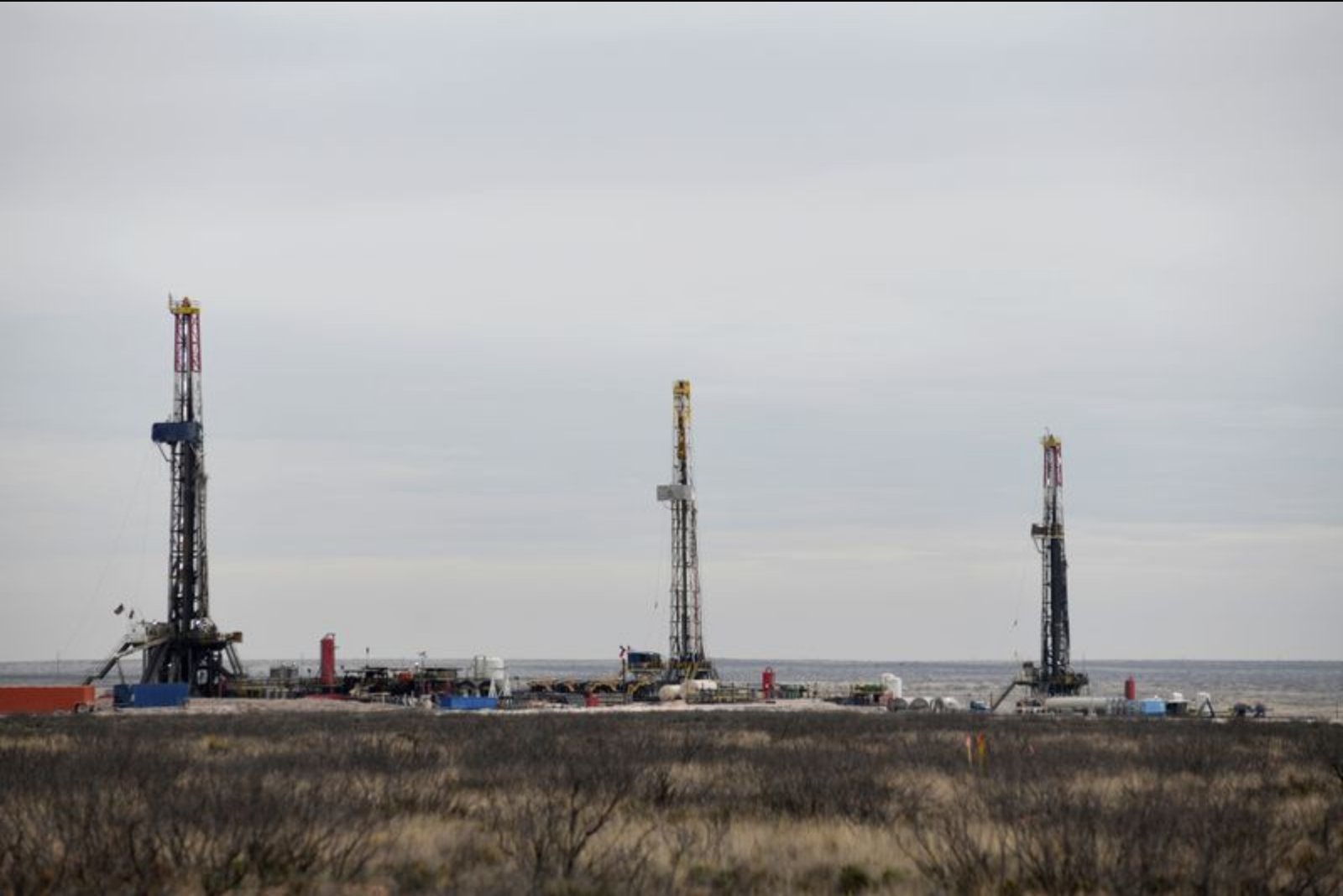
Global oilfield services companies are preparing for a near-term earnings hit as the Iran war disrupts operations across the Middle East and producers hold off on new drilling until high oil prices show they can be sustained. Although the Brent crude benchmark has climbed 53% since February 27 - the day before the U.S. and Israel launched strikes against Iran - the rally has not translated into immediate demand for rigs and crews in a region where security and infrastructure damage have sharply constrained activity.
Higher commodity prices ordinarily make oil and gas projects more lucrative and spur demand for equipment and personnel. In the current conflict, however, the inverse has been observed: heightened security threats and damaged facilities have diminished activity and weakened demand for oilfield services and equipment across one of the world’s largest producing regions.
"For oilfield services companies, the situation is quite ambiguous: if producers do not increase activity, the price jump alone will not lead to a rise in orders," said Igor Isaev, head of analytics at European broker Mind Money.
Operators and service providers cite idled rigs in the Gulf, slower crew mobilizations and rising logistics and insurance costs as primary sources of disruption. These factors are delaying projects and reducing utilization rates. An early indicator of future output, the offshore rig count in the Gulf has fallen about 39% to 72 rigs as of March 27, according to estimates from Rystad Energy - down from a total of 118 offshore rigs online in the region before February 28.
Passage through the Strait of Hormuz - a waterway that carries roughly a fifth of global oil and natural gas supply - has become harder to navigate amid the rising security risks, compounding challenges for offshore drilling and equipment movement.
"A persistent closure of the Strait of Hormuz would severely impact crew mobilizations in the region as well as create logistical challenges for movement of equipment and higher insurance costs," said Lauren Mayhew, head of MENA Research at Welligence Energy Analytics. She added that project delays would be expected across the region.
Immediate effects on oilfield services firms have already emerged. Activity across the Middle East has fallen, and producers outside the region are exercising caution. At the CERAWeek conference in Houston this week, U.S. producers signaled that oil prices would need to remain elevated for several months before they would add rigs, reinforcing a wait-and-see stance.
Industry bellwether SLB has said it expects first-quarter revenue to come in below expectations, and management flagged a 6-9 cent-per-share earnings hit after suspending travel and demobilizing operations in the Middle East. Firms with significant exposure to the region - including SLB, Halliburton and Baker Hughes - as well as smaller rivals that recently invested in the Gulf are feeling the squeeze.
UK-headquartered Borr Drilling placed four rigs on standby across Saudi Arabia, the UAE and Qatar, and evacuated staff from one site, reflecting the operational pullback on the ground.
Richard Spears, vice president of oilfield consultancy Spears & Associates, estimated that overall revenue generated from oilfield services provided in the Middle East could fall by 10% to 20% in the first quarter. "If the war keeps going on, well, the second quarter is not good," he said.
Despite the current slump in activity, industry analysts expect the conflict to generate demand for repair and maintenance work once export routes and facilities can be made safe again. Energy infrastructure repair costs in the Middle East have reached at least $25 billion, according to Rystad Energy, and restoring damaged facilities will typically fall to oilfield services providers and engineering firms.
"Damage across Gulf energy infrastructure will generate meaningful demand for oilfield services ... this would result in operators prioritizing repair and maintenance of existing fields over contract awards for new development," said Karan Satwani, an analyst at Rystad Energy.
QatarEnergy’s CEO told Reuters that the Iranian attacks had knocked out a sixth of the country’s LNG export capacity, representing about $20 billion a year in value, and that repairs could take three to five years.
Baker Hughes CEO Lorenzo Simonelli said the company stands ready to support QatarEnergy as it assesses the damage.
Welligence Energy’s Mayhew noted that while additional repair and maintenance to damaged facilities will to some extent create incremental demand for oilfield services companies, the scale of that demand will depend heavily on broader market conditions and the capital allocation decisions of operators.
Taken together, these dynamics point to a bifurcated outlook for oilfield services firms: near-term revenue pressure driven by suspended operations and lower utilization, followed by anticipated but uneven demand tied to reconstruction and repairs. How quickly and how extensively repair work translates into new contracts will hinge on security developments, operator capital discipline and insurer assessments of risk across the Gulf.