
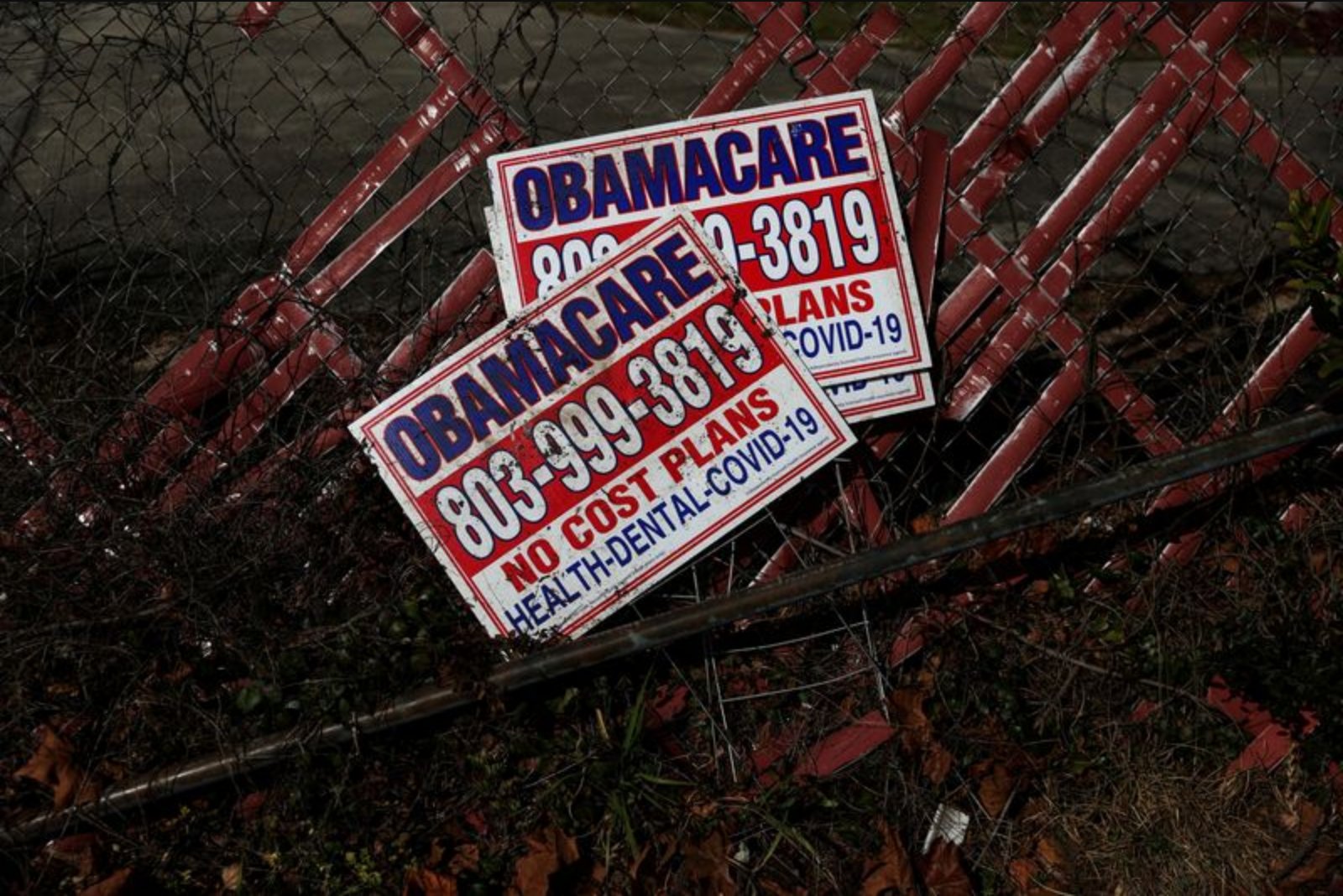
More than one million fewer Americans enrolled in Affordable Care Act plans for 2026, bringing total enrollment to about 23 million after a period of higher monthly costs tied to the end of additional COVID-19 era subsidies.
Health-research firm KFF projects that total premium costs for subsidized Obamacare enrollees will jump to an average of $1,904 for 2026, up from $888 in 2025. In 2025, roughly 24.2 million people carried these plans, which were established under the Affordable Care Act.
Private insurers that participate in these marketplaces include Centene, Elevance and UnitedHealth. Those plans, which are subsidized based on household income, are sold either through the federal HealthCare.gov portal or through state-run exchanges.
Agency data released on Wednesday by the Centers for Medicare and Medicaid Services shows that nearly 3.4 million people were new enrollees for 2026, while fewer than 19.6 million were returning customers. Enrollment on HealthCare.gov ran through January 15, 2026, and deadlines for state-based exchanges vary by state.
A KFF poll cited in the data release indicated that 2026 premium payments were expected to more than double on average, and about 25% of enrollees said they would forgo health insurance in 2026 if their premiums doubled as anticipated.
Analysts warned that reported enrollment totals could continue to decline in the months ahead as people who were auto-enrolled fail to make required premium payments and are subsequently removed from coverage after the three-month grace period. "Given the 90-day grace period, which should apply to the majority ACA members, we see potential for strong disenrollment activity during this period, leading to a lower final enrollment number," Evercore ISI analyst Elizabeth Anderson said.
Market watchers also urged caution in interpreting preliminary sign-up figures. "We believe it is prudent to wait for effectuated enrollment from plans, which is expected in early April, before drawing conclusions on 2026 enrollment," said Baird analyst Michael Ha.
Separately, a promotional assessment noted investor interest in particular insurer-related securities. One tool, ProPicks AI, evaluates ELV among thousands of companies each month using over 100 financial metrics and highlights companies based on fundamentals, momentum and valuation. The tool pointed to notable past winners, which included Super Micro Computer (+185%) and AppLovin (+157%).
Context note: The figures and quotations above come from KFF polling and CMS enrollment data released on the agencies' websites, and from analysts quoted in materials made available alongside those data releases.