
Stock Markets March 24, 2026

NTSB: Surface-tracking System Did Not Alert During Fatal LaGuardia Runway Collision

Agency says ASDE-X failed to produce a high-confidence track as vehicles merged near runway; truck lacked transponder

By Leila Farooq
NTSB: Surface-tracking System Did Not Alert During Fatal LaGuardia Runway Collision

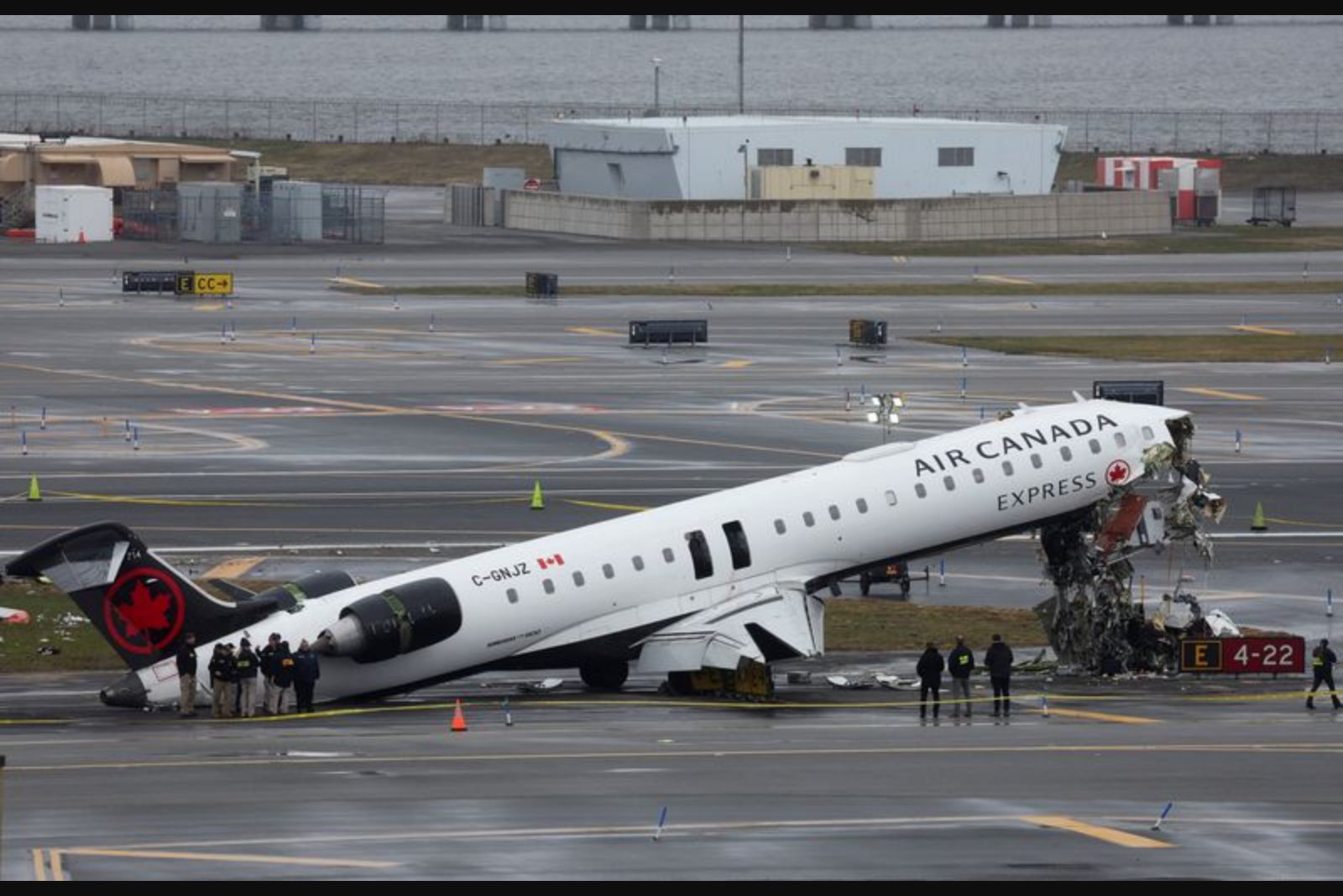
The National Transportation Safety Board reported that LaGuardia Airport's surface surveillance system did not issue an alert during a collision between an Air Canada Express CRJ-900 and a firetruck that killed two pilots and injured multiple passengers. The system, ASDE-X, could not generate a reliable track because of vehicles merging and unmerging near the runway. The truck involved did not have a transponder, and investigators say it is unclear whether technology could have prevented the rapid incident.

Key Points

  • ASDE-X, the Airport Surface Detection Equipment Model XS, did not issue an alert because vehicles were merging and unmerging near the runway, preventing creation of a track with high confidence - impacts aviation safety and airport operations.
  • The collision involved an Air Canada Express CRJ-900 operated by Jazz Aviation with 72 passengers and four crew; two pilots were killed and dozens of passengers were injured - impacts airlines and passenger safety considerations.
  • The firetruck crossing to assist another aircraft did not have a transponder, unlike trucks at other U.S. airports, raising questions about vehicle equipment standards and emergency response protocols at airports.

The National Transportation Safety Board (NTSB) said on Tuesday that a surface-movement surveillance system did not trigger an alert during a fatal collision at LaGuardia Airport on Sunday night involving an Air Canada Express CRJ-900 and a firetruck.

NTSB Chair Jennifer Homendy told reporters in New York that the system known as ASDE-X - Airport Surface Detection Equipment, Model XS - did not generate an alert because vehicles were merging and unmerging near the runway. That pattern, she said, prevented the system from creating a track it could assign with "high confidence." The agency is leading the probe into the accident.

The Air Canada Express CRJ-900, operated by regional partner Jazz Aviation, was carrying 72 passengers and four crew when it struck a firetruck while on the runway. The collision killed two pilots and injured dozens of passengers, according to the NTSB.

Homendy also noted that the firetruck crossing the runway to assist a separate aircraft did not have a transponder, a device carried by some vehicles at airports to enable surveillance. She contrasted that with trucks at other U.S. airports that do carry transponders.

The NTSB chair cautioned that it remains unclear whether any technology would have averted the crash, given how quickly events unfolded. She added that two controllers were working in the glass-enclosed portion of LaGuardia's air traffic control tower at the time of the collision.


Context and ongoing work

The NTSB is conducting an investigation into the causes and contributing factors of the runway collision. Statements from agency leadership indicate both technical limitations of surface-detection equipment and the configuration of ground vehicles at the airport are under review. The agency has not concluded whether equipment, procedures or personnel actions were causal or could have prevented the event.

The investigation is continuing and the NTSB has provided the factual details above while it gathers additional evidence and analyses.

Risks

  • Limitations in surface-detection surveillance systems during complex ground movements - a risk to airport safety management and air traffic control reliability.
  • Ground vehicles operating without transponders at some airports could increase the chance of undetected runway crossings - a risk for airport operations and emergency response coordination.
  • Rapidly unfolding incidents that occur faster than detection and alerting systems can respond may limit the effectiveness of existing safety technologies - a risk for regulators and carriers relying on automated safeguards.

More from Stock Markets

Air Canada Confirms Two Pilot Fatalities After LaGuardia Landing Accident Mar 24, 2026 MercadoLibre Pledges 57 Billion Reais for Brazil Expansion, Boosts Job Count and Logistics Footprint Mar 24, 2026 AlphaSense in Talks for Large Funding Round as Demand for AI Data Grows Mar 24, 2026 Brazilian Stocks Close Higher as Basic Materials and Industrials Lead Gains Mar 24, 2026 Toronto market edges higher as clean-tech, energy and materials lead gains Mar 24, 2026