
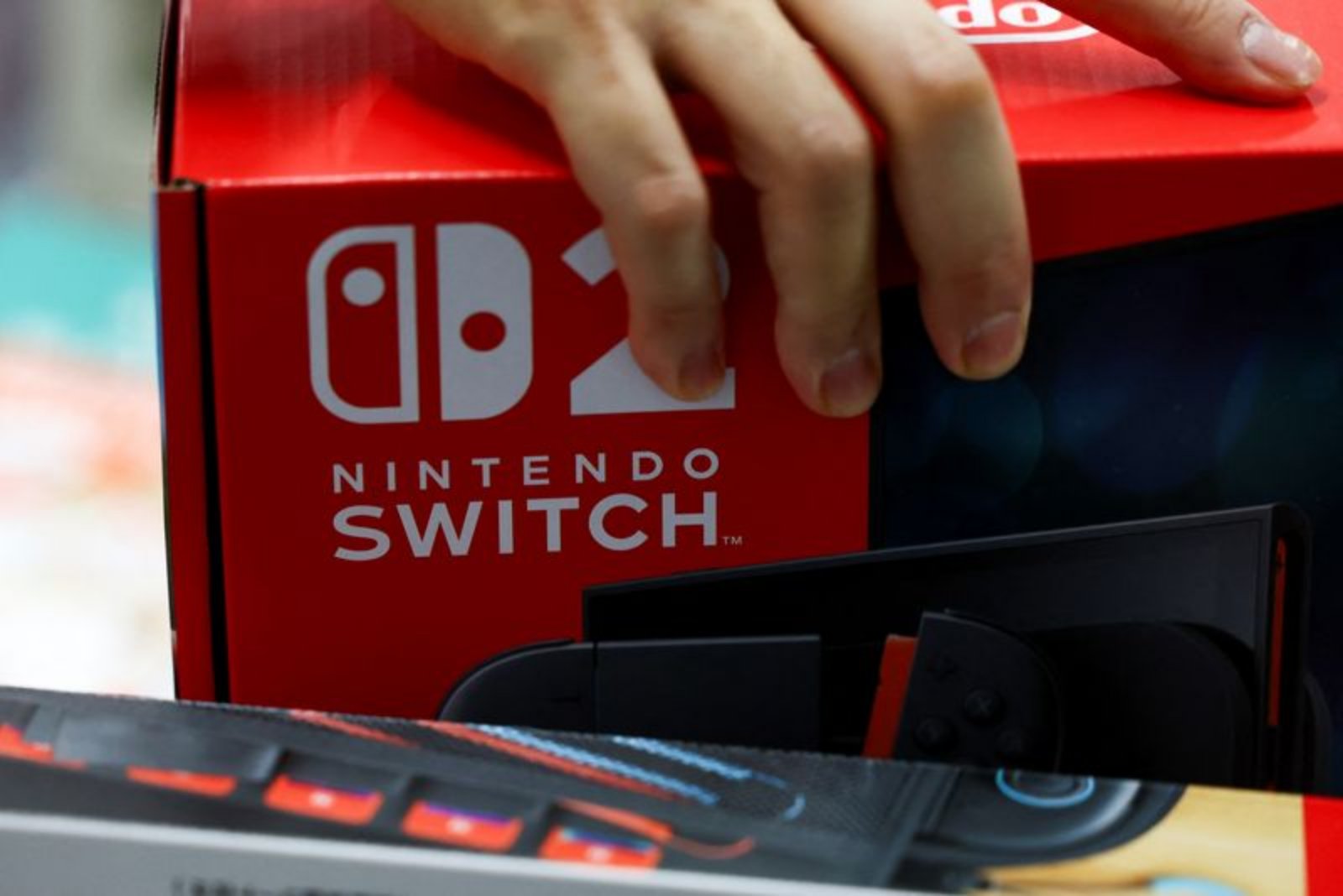
Tokyo - Nintendo's stock plunged 8% in Tokyo trading on Monday after the video game maker raised prices for its Switch 2 and provided guidance that market participants interpreted as lacking in near-term, high-profile software releases.
The Kyoto-based company reported robust hardware sales for the fiscal year ended March, yet investors reacted to its forward-looking commentary and conservative forecasting. Nintendo has continued to support the original Switch with new releases from established franchises such as "The Legend of Zelda" and achieved recent successes including "Pokemon Pokopia"; however, market sentiment has been affected by what some see as an absence of clear blockbuster candidates in the pipeline.
Morningstar analyst Kazunori Ito commented on the company's guidance, writing: "The year-on-year decline in game shipment guidance risks signaling that Nintendo lacks confidence in its pipeline." He added: "However, as user engagement typically accelerates in the second year of a console cycle, we view this as too pessimistic."
On pricing, Nintendo said it will raise the price of the Switch 2. In Japan the Switch 2 model will increase by 10,000 yen to 59,980 yen effective May 25, and prices in markets such as the U.S. will rise from September 1. The company counts many casual gamers among its customer base - a group that is seen as particularly sensitive to price hikes. The price changes come amid a broader backdrop where electronics makers are contending with a surge in memory chip prices.
Jefferies analyst Atul Goyal emphasized the importance of the console's second year, writing: "The second year is crucial and our non-consensus view is that it will release a Mario AAA game this year."
The company also disclosed an exchange reference of $1 = 156.9100 yen in the note accompanying market commentary.
Context and implications
Investors reacted sharply to a combination of pricing moves and guidance that some interpreted as conservative on software shipments, despite strong recent hardware performance and select hit titles. The interplay between pricing strategy, consumer sensitivity among casual gamers, and elevated memory chip costs frames the current market debate.