
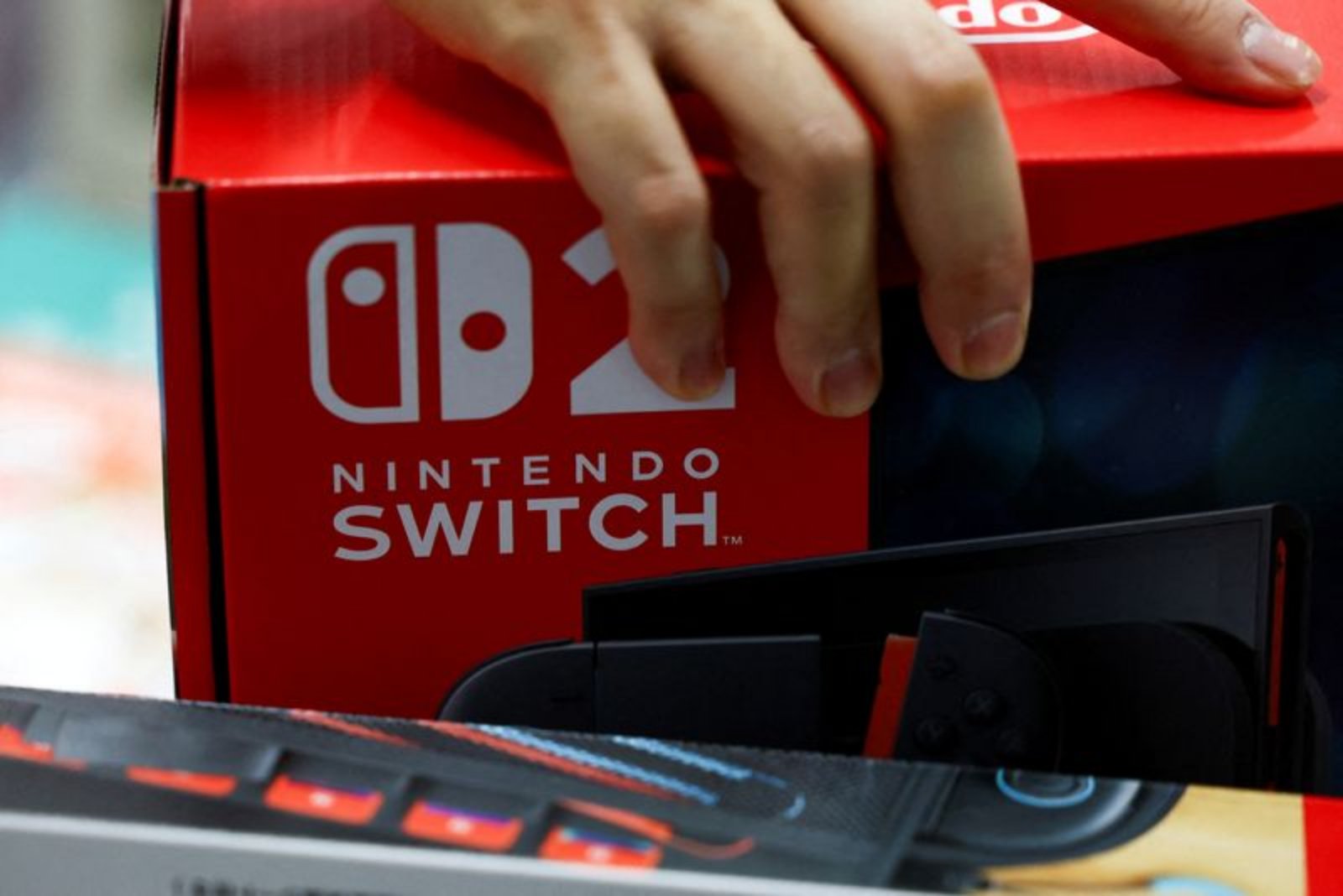
Tokyo - Nintendo's shares dropped 10% on Wednesday as market participants reacted to questions about demand momentum for its Switch 2 console. The Kyoto-based company said on Tuesday that Switch 2 enjoyed robust sales during the year-end shopping season, yet investors remain uncertain about whether the system has a sufficient pipeline of high-profile games to sustain longer-term sales growth.
The company maintained its annual earnings and hardware forecasts, a stance that some market observers found underwhelming. Jefferies analyst Atul Goyal captured the mixed reception in a client note, writing: "Results are good with (the Switch 2) breaking records" but "not great."
Market context
Investor enthusiasm for a successor to the original Switch helped lift Nintendo shares to record highs last year. However, the stock has been drifting lower since November, and Wednesday's 10% decline reflected renewed concern about whether the Switch 2 can sustain the early interest practitioners consider necessary for platform health.
Early traction for the Switch 2 - which launched in June - is viewed inside the market as critical for building a base of users that will support long-term software and hardware performance. Goyal noted that "The run is just starting and the platform is growing rapidly," a reminder that sentiment can pivot quickly based on subsequent hardware sales and game releases.
Content and lifecycle
Nintendo extended the life of the original Switch through a series of blockbuster releases, including two major entries in "The Legend of Zelda" franchise. That strategy underpinned sustained hardware demand for the prior generation, and investors are watching to see whether similarly compelling software can emerge for the Switch 2 to replicate that effect.
Cost pressures
Separately, investors flagged the potential hit to margins from rising memory chip prices. Nintendo stated that the recent price surge is not significantly affecting earnings for this financial year, but cautioned that if elevated memory costs persist over the long term, they could pressure profitability.
Investor tools
Questions about valuation are also present among market participants. The article previously referenced an analytical tool - a Fair Value calculator that uses multiple valuation models - as a way investors might assess whether the stock, listed under the code 7974, represents a bargain. The piece noted that such a calculator applies a mix of 17 industry valuation models to produce a bottom-line view for the stock.
For now, the combination of concerns about content momentum and component cost inflation has weighed on sentiment toward Nintendo. Market watchers will be closely monitoring both software release schedules and memory price trends for clearer indications of the company's near-term profitability and hardware demand trajectory.