
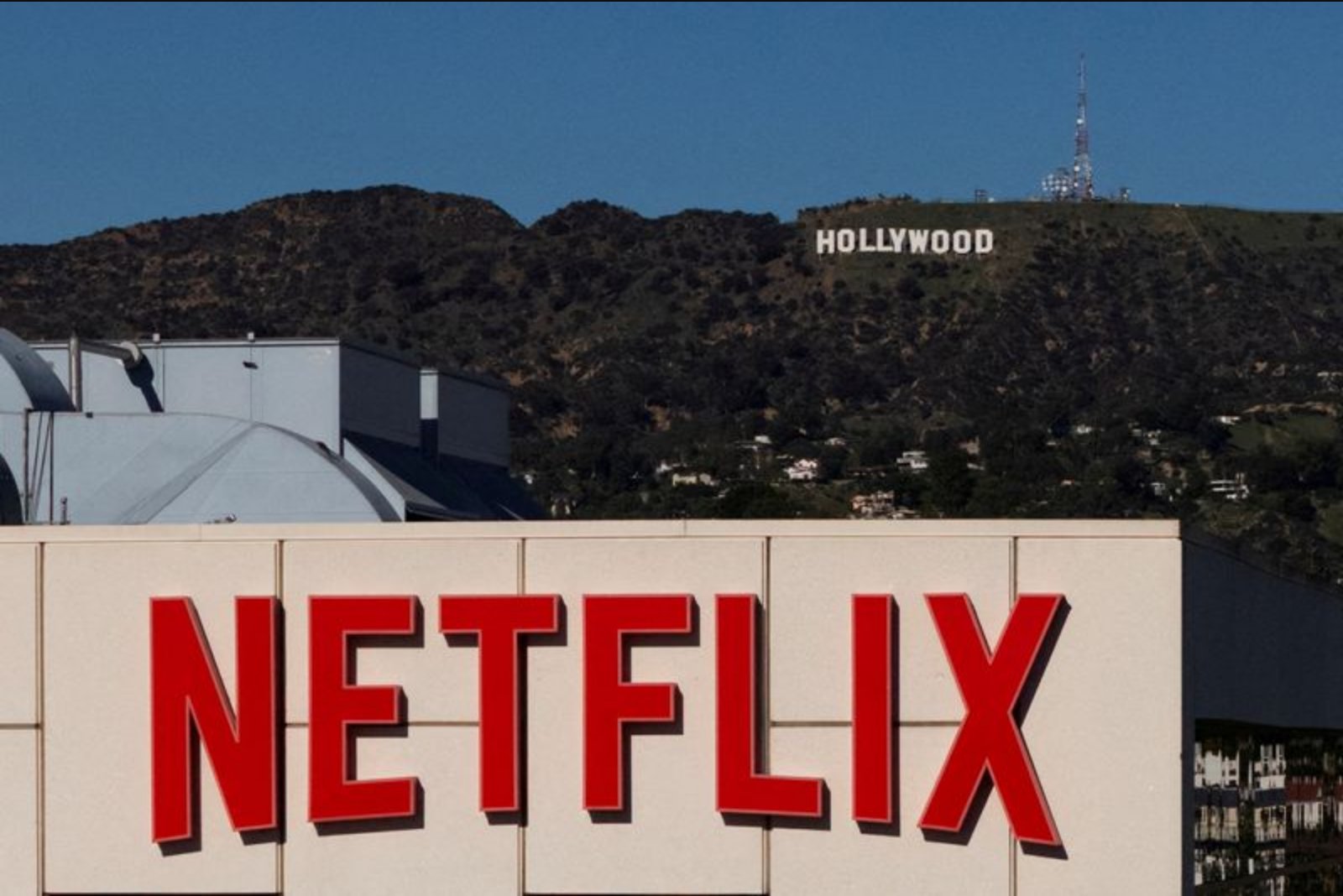
LOS ANGELES, April 2 - Netflix is moving forward with a strategy focused on building long-lived franchises after failing to secure Warner Bros Discovery and its extensive library of characters and stories. The streaming company says it will continue to fund original concepts and to collaborate with traditional studios, aiming to develop films and series that generate long-term audience engagement similar to hits such as Stranger Things, Wednesday and Bridgerton.
Bela Bajaria, Netflix's chief creative officer, described the effort as a continual objective. In an interview she emphasized that the platform will persist in backing new creative ideas and in forming partnerships with established studios such as MGM and Warner Bros to try to produce properties that endure for years.
Netflix’s unsuccessful push to acquire Warner Bros, including prized franchises like Harry Potter and Game of Thrones, highlighted a broader challenge for the streamer. Where legacy studios bring more than a century of accumulated characters and stories, Netflix’s catalog of originals spans roughly a dozen years. That difference in historical depth helps explain why Netflix was prepared to offer as much as $72 billion to augment its intellectual property with Warner Bros assets.
Interviews with 16 current and former Netflix executives, industry leaders and agents depict a company that pursues breadth - making content intended to reach many different audiences - rather than manufacturing a single, tightly unified universe in the manner of a multi-spinoff franchise like Yellowstone and its Taylor Sheridan-created expansions. Netflix’s approach relies on scale and diversity of content to generate occasional breakout franchises rather than on a single, interconnected IP ecosystem.
Still, Netflix has had franchise successes. Showrunner Shonda Rhimes adapted Julia Quinn’s Bridgerton novels into a series now entering a fifth season, with a spinoff and a Regency-era touring event called The Queen’s Ball. Stranger Things has produced a spin-off series, a stage play and a wide range of merchandise. The action-adventure film Extraction, starring Chris Hemsworth, spawned a sequel and a third installment is in production, along with a series starring Omar Sy. The long-running reality dating format Love Is Blind has been remade for several international audiences, including Brazil, France and Japan.
Netflix has also made strategic acquisitions to seed franchise potential. In August 2017 the company announced its first major acquisition of a publisher, buying comic book publisher Millarworld a day before Disney said it would pull its films from Netflix to build its own rival service. The Millarworld purchase was an early example of Netflix looking outside traditional studio systems to secure intellectual property.
Not every investment has paid off. Some deals have been costly and have yet to yield a breakout franchise. The reported $700 million acquisition of Roald Dahl’s catalog, which includes classics such as Charlie and the Chocolate Factory, has not produced a major hit in five years, although Netflix plans new programming this year that draws from those properties. Another costly misstep was the $320 million adaptation The Electric State, which featured directors Joe and Anthony Russo and stars Millie Bobby Brown and Chris Pratt. Critics panned the film, and planned expansions - including a spin-off series and sequels - did not materialize, according to two people directly involved with the project.
At the same time, Netflix has shown it can identify projects others pass on that become global phenomena. Squid Game, the dystopian thriller from creator Hwang Dong-hyuk, was greenlit by Netflix after other parties declined and went on to become a monumental success. The service’s volume of content also produces occasional surprises, such as Sony Pictures Imageworks’ animated film KPop Demon Hunters, which became the most watched movie in Netflix history and won an Academy Award.
When a title breaks through, Netflix leverages its global distribution and algorithmic recommendations to amplify audience interest quickly, turning a bingeable title into a cultural event. The company is treating KPop Demon Hunters as the start of a potential franchise, pursuing licensed toys and merchandise deals with Mattel and Hasbro, themed adult meals with McDonald’s, a possible concert tour and a planned animated sequel. Sources say, however, that the success took Netflix by surprise. The company approached toymakers and retailers well before release, but partners were unwilling to commit to an untested property, and licensed products were not available in time for the holiday shopping season.
Netflix’s drive to create repeatable hits is driven by the commercial advantages franchises can yield. Recognizable characters and stories reduce investment risk, generate ancillary revenue streams such as merchandise and live experiences, and cut through a fragmented media landscape to capture viewer attention. Yet building a stable of franchises is difficult. Company executives acknowledge that many projects fail to develop into multi-product universes even if they are high-profile or expensive.
There are broader market and competitive headwinds as Netflix pursues this path. Engagement growth on the platform increased by just 2% in the second half of 2025, according to media consultant Owl & Co. Revenue growth is slowing, with LSEG projecting revenue to rise 13% this year compared with 16% in 2025. Advertising sales account for only about 3% of Netflix’s total revenue. YouTube’s growth and Disney’s stable of legacy characters have consistently bested Netflix in share of television viewing since October 2024, according to Nielsen’s media distributor gauge, which measures broadcast and cable television viewing and streaming.
Industry consolidation could alter the landscape further. Paramount Skydance’s acquisition of Warner Bros may reduce the number of independent suppliers of original shows. After the failed bid for Warner Bros, Netflix received a $2.8 billion breakup payment and its co-CEOs, Ted Sarandos and Greg Peters, plan to continue the company’s independent strategy.
Netflix’s 2026 slate includes projects that draw on established or time-tested characters and stories. Announced releases include a live-action Scooby-Doo series and a Narnia film based on C.S. Lewis’ books and directed by Greta Gerwig. The company also highlighted original and adapted series including a fourth installment of Bridgerton, a second season of One Piece based on the manga, a live-action Assassin’s Creed television adaptation and a reboot of Little House on the Prairie. Jinny Howe, vice president of original series at Netflix, said the company is off to a strong start and is confident in the quality and consistency of its upcoming slate.
Netflix continues to balance large, high-risk bets with projects that have lower capital intensity but the potential to scale globally. The company’s model of releasing a high volume of content increases its chances of occasional major successes while accepting that many titles will underperform. As Bajaria put it, the film and TV business involves a mix of hits and misses; many things work and many do not.
For now, Netflix’s leadership appears committed to a two-pronged approach: keep funding original storytelling that might become long-running franchises, and maintain partnerships with studios that can supply recognizable IP. The outcome of that strategy will influence not only Netflix’s subscriber engagement and revenue mix, but also downstream markets such as merchandise, theatrical distribution, toy retail and theme experiences tied to successful franchises.