
Stock Markets March 23, 2026

Netanyahu Pressed Trump to Kill Iran's Supreme Leader Ahead of U.S.-Israeli Strike

Israeli leader urged a joint operation against Ayatollah Khamenei during a phone call shortly before coordinated military action, sources say

By Marcus Reed
Netanyahu Pressed Trump to Kill Iran's Supreme Leader Ahead of U.S.-Israeli Strike

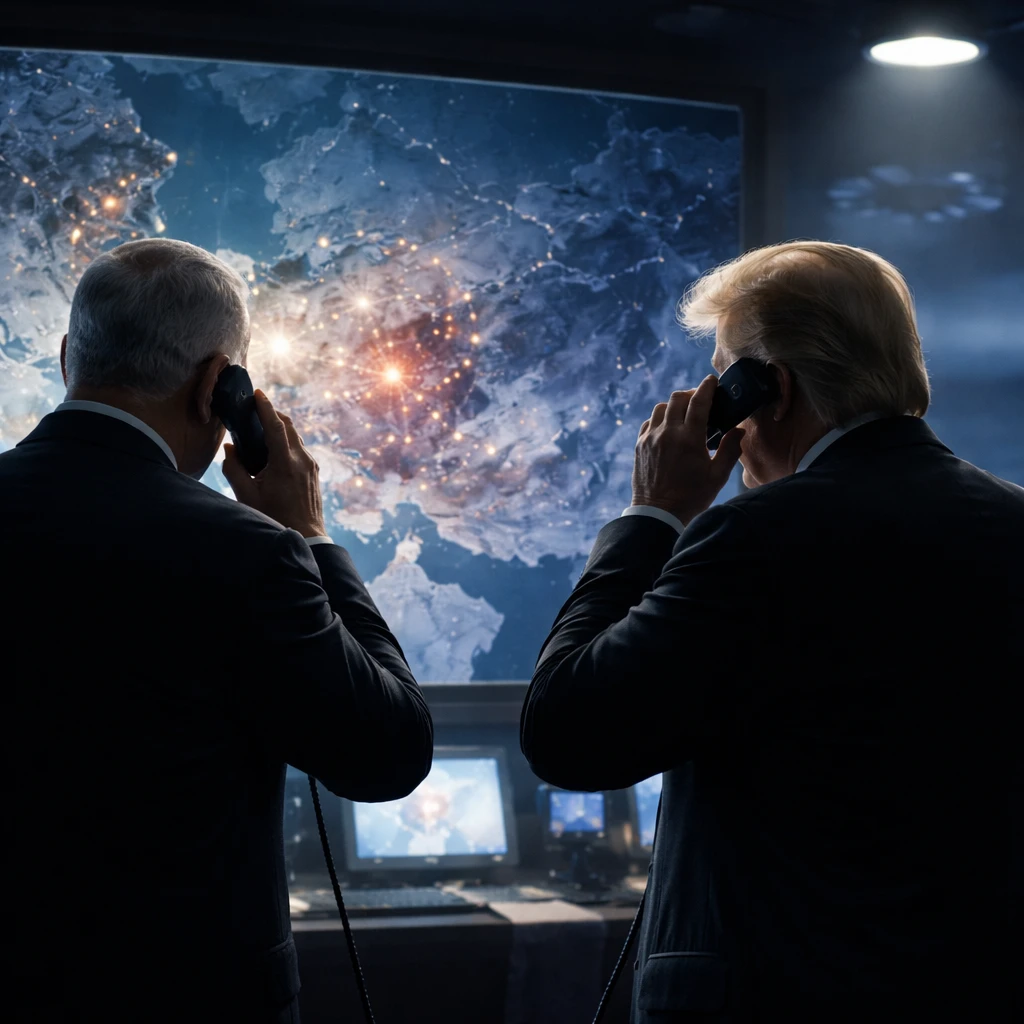
Israeli Prime Minister Benjamin Netanyahu told U.S. President Donald Trump in a phone call that he should seize an opportunity to kill Iran's Supreme Leader Ayatollah Ali Khamenei, according to sources. The exchange, reported by Reuters sources, occurred within 48 hours of a U.S.-Israeli strike on Iranian targets and included discussion of fresh intelligence about a Tehran meeting involving Khamenei. Sources did not disclose the specific intelligence or whether the proposal was acted upon.

Key Points

  • Netanyahu urged President Trump in a phone call to jointly kill Iran's Supreme Leader Ayatollah Ali Khamenei, according to sources.
  • The leaders discussed updated intelligence about a meeting in Tehran involving Khamenei and senior lieutenants; specifics of that intelligence were not disclosed.
  • The call occurred less than 48 hours before a coordinated U.S.-Israeli strike on Iranian targets, placing it during final strike planning.
  • Sectors potentially affected by heightened geopolitical risk include defense, energy, and shipping, due to potential implications for regional stability and military operations.

Israeli Prime Minister Benjamin Netanyahu urged U.S. President Donald Trump to consider a joint operation to kill Iran's Supreme Leader Ayatollah Ali Khamenei during a phone conversation that took place less than 48 hours before a coordinated U.S.-Israeli strike on Iranian targets, according to sources speaking with Reuters.

People familiar with the matter said the two leaders reviewed updated intelligence in the call, specifically intelligence that pointed to a meeting in Tehran attended by Khamenei and his senior lieutenants. Those sources said Netanyahu characterized the moment as unusually opportune, telling Trump there might not be a better chance to eliminate Khamenei and to avenge alleged Iranian efforts to assassinate Trump.

The timing of the telephone exchange - coming in the days immediately before the joint military operation - suggests it occurred during the final planning phases for the strikes. However, the sources declined to provide details on the intelligence that was shared in the conversation, and they also did not say whether Netanyahu's proposal to target Khamenei was accepted, rejected, or acted upon.

Because the sources did not make the content of the intelligence public, the specifics of what prompted Netanyahu to press the matter remain undisclosed. The available reporting is limited to the existence of the call, the topics described by the sources, and the proximity of the call to the subsequent U.S.-Israeli military action.

Key questions remain unanswered in the reporting: the precise nature of the intelligence about the meeting in Tehran, the operational discussions, and any decisions that followed from the leaders' exchange. The sources' accounts do not indicate outcomes from the proposal or reveal whether Khamenei himself was specifically targeted as part of the strike planning.


Reporting limitations: The facts reported here are drawn from unnamed sources who spoke to Reuters. No additional corroborating detail about the intelligence briefing or the result of Netanyahu's recommendation was provided by those sources.

Risks

  • Uncertainty about the intelligence - Sources did not disclose details of the reported intelligence about the Tehran meeting, leaving the basis for the discussion unclear. This creates informational risk for analysts assessing the event.
  • Unknown outcome of the proposal - The sources did not reveal whether Netanyahu's recommendation to target Khamenei was accepted or implemented, leaving the operational impact uncertain.
  • Proximity to military action - The call's timing close to the U.S.-Israeli strikes introduces ambiguity about whether the conversation influenced planning or execution decisions; this timing creates risk for stakeholders tracking geopolitical developments.

More from Stock Markets

Freeport Seaffirms Copper Demand Outlook as Geopolitical Fears Weigh on Prices Mar 23, 2026 Estee Lauder Shares Drop After Report of Potential Combination With Puig Mar 23, 2026 Senator Hawley’s Inquiry into FICO Mortgage Pricing Sends Shares Lower Mar 23, 2026 Kalshi to bar competitors and candidates from trading on events they influence Mar 23, 2026 Assessing the Feasibility of Musk's 'Terafab' Chip Ambition Mar 23, 2026