
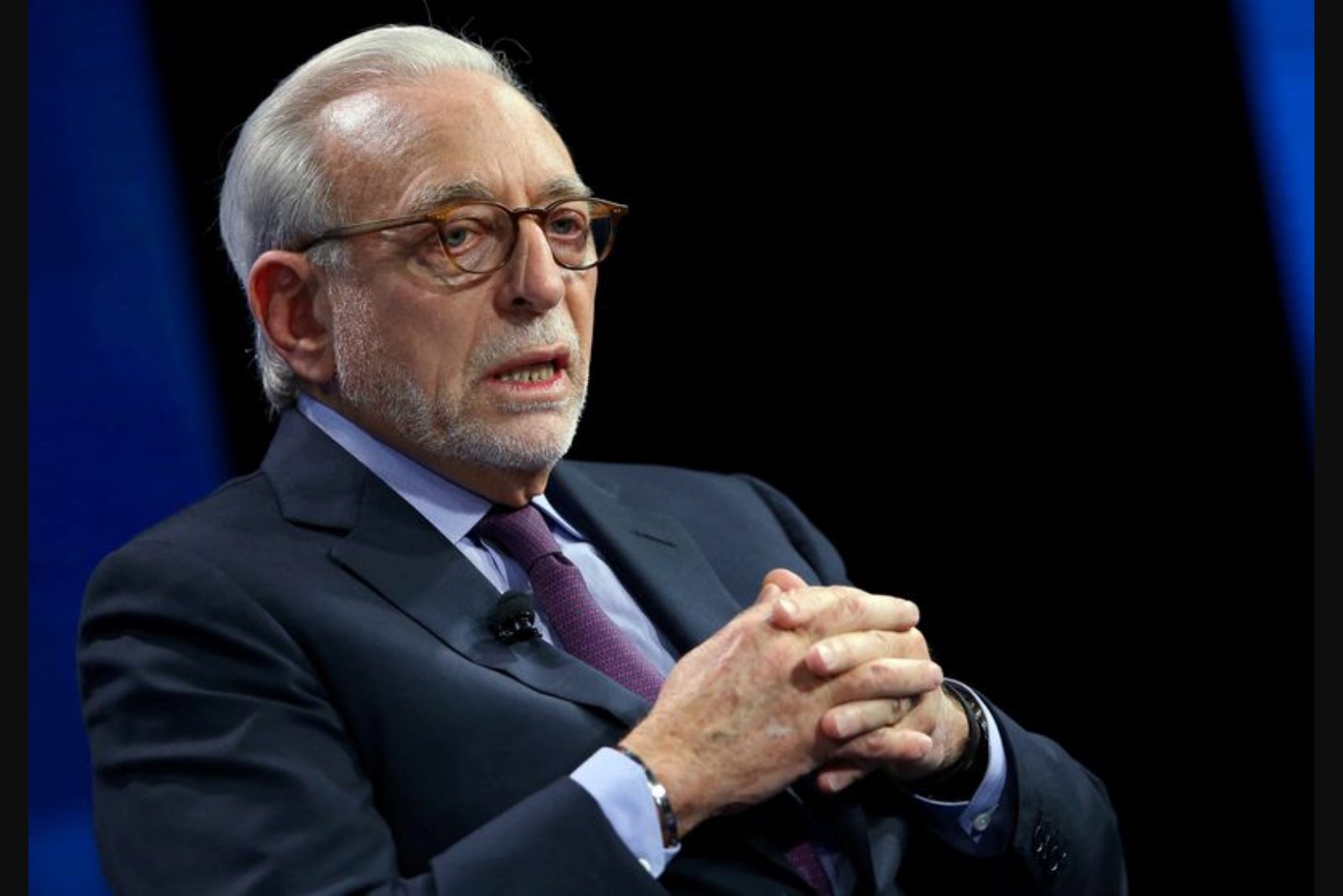
Nelson Peltz indicated on Tuesday that he plans to pivot back toward larger, full-company buyouts at Trian Fund Management, suggesting the activist investor may pursue additional takeovers in the period ahead.
Peltz, a founding partner of Trian in 2005 and a prominent activist known for pressing for board and management changes at firms including Walt Disney, Kraft Heinz and Procter & Gamble, framed the move as a return to a strategy that allows more direct control and faster implementation of changes than taking a minority stake and negotiating with an incumbent board.
Speaking at the WSJ Invest Live event in West Palm Beach, Florida, Peltz referenced the December agreement in which Trian and General Catalyst agreed to buy Janus Henderson for $7.4 billion. He described that transaction as reminiscent of successful buyouts from earlier in his career and said current market conditions make similar deals more attractive.
"We used to buy all of a company, and I liked doing that as I don’t have to do a dance for a boardroom," Peltz said, explaining why outright purchases can enable swifter operational changes than activism aimed at existing boards. He added that "prices have become more reasonable, deals are becoming more productive," signaling that the environment may be conducive to further dealmaking in the way he prefers.
Tariff policy and competitiveness
On trade policy, Peltz offered measured praise for aspects of U.S. President Donald Trump’s second term while expressing clear disagreement with the administration’s tariff approach. He criticized the use of tariffs as a revenue source, saying that he had hoped the threat of tariffs would instead lead to lower barriers and closer-to-free trade relationships with trading partners.
"I think he is using tariffs the wrong way," Peltz said. He cautioned that the direction of tariff policy could still change, and argued that tariffs should be used to enhance the competitiveness of U.S. companies. As an example, he noted that lowering trade frictions could reduce the cost of selling U.S. cars in markets such as Germany.
Context and implications
Peltz’s comments tie together two themes: a strategic preference for full control via buyouts, which he believes speeds implementation of change, and concern that trade policy should aim to lower costs for U.S. exporters rather than serve primarily as a fiscal tool. The Janus Henderson deal serves as a concrete instance of the former; his remarks on tariffs outline the latter, leaving open the possibility that future business strategy and national policy shifts could intersect in ways that affect deal activity and corporate competitiveness.