
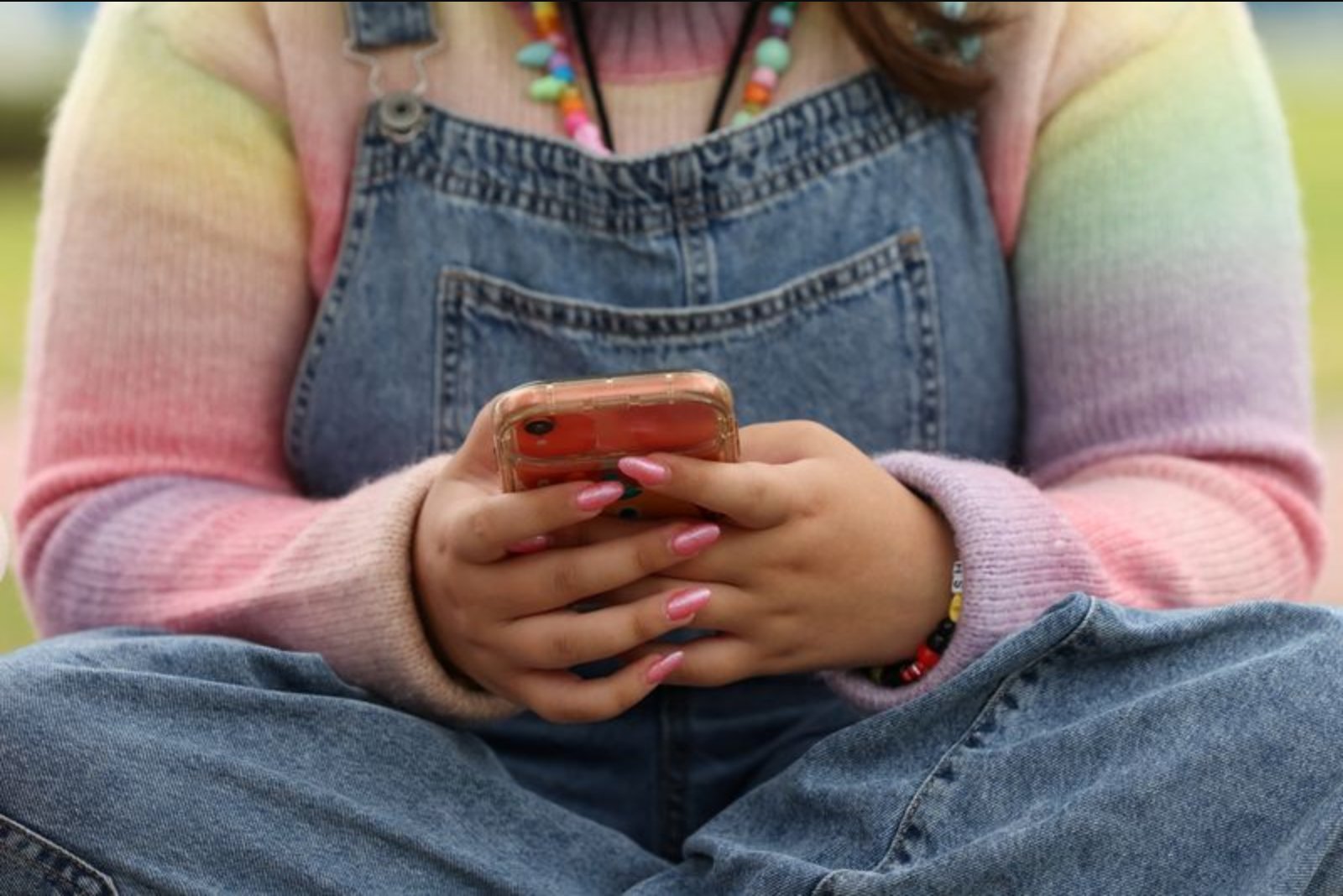
Governments and regulators worldwide have stepped up efforts to limit children’s access to social media, enacting a variety of measures from outright bans to enhanced parental-consent requirements. The moves are being driven by growing concerns about the effects of social media on young people’s mental health and safety. Below is a country-by-country account of the rules, proposals and industry practices that are shaping how minors can access popular online platforms.
Australia
Australia enacted a landmark law in November 2024 that requires major social platforms to block users under the age of 16 starting December 10, 2025. The measure covers widely used services including TikTok, Alphabet’s YouTube and Meta’s Instagram and Facebook. Companies that do not comply face fines that can reach up to A$49.5 million, roughly $34.3 million by the exchange rate provided in the source material.
Britain
On January 20, Britain signalled it was weighing a ban similar to Australia’s, according to a statement from Prime Minister Keir Starmer. The government indicated it was reviewing whether the current digital age of consent should be raised, and said it was considering prohibiting social media access "for children under a certain age." No specific age threshold was provided in the statement.
China
China’s cyberspace regulator has implemented what it calls a "minor mode." The approach places restrictions at the device level and applies app-specific rules to limit screen time for young users according to their age, aiming to curb excessive use through technical controls.
Denmark
Denmark announced in November that it would ban social media for children under 15, while allowing parents to grant exemptions for select youngsters down to age 13 to access certain platforms. The plan had backing from a parliamentary majority ahead of a formal vote.
France
France’s National Assembly approved legislation on January 26 to prohibit children under 15 from using social media, citing concerns about online bullying and risks to mental health. The bill must still clear the Senate before a final vote in the lower house to become law.
Germany
In Germany, minors aged 13 to 16 may use social networks only with parental consent. Child protection groups say existing controls are insufficient, indicating ongoing debate about whether the consent framework provides adequate safeguards.
India
India’s chief economic adviser urged on January 29 that social media platforms adopt age restrictions, describing platform tactics as "predatory" in how they keep users engaged. This call came shortly after the state of Goa said it was considering measures similar to Australia’s.
Italy
Italian rules require parental consent for children under 14 to sign up for social media accounts. From age 14 upward, no parental consent is mandated under the rules described in the source text.
Malaysia
Malaysia announced in November that it will ban social media use for users under 16 beginning in 2026, establishing a national age threshold for access to platforms.
Norway
The Norwegian government proposed in October 2024 to raise the minimum age for consenting to social media terms from 13 to 15, while still permitting parents to provide consent on behalf of children below that threshold. The government has also begun drafting legislation that would set an absolute minimum age of 15 for social media use.
The United States
U.S. federal law already includes the Children’s Online Privacy Protection Act, which bars companies from collecting personal data from children under 13 without parental consent. Several U.S. states have passed laws requiring parental consent for minors to access social media, but these state-level measures have faced legal challenges on free speech grounds.
European Union
The European Parliament in November adopted a non-binding resolution that recommended a minimum age of 16 for social media to ensure age-appropriate online engagement. The resolution also advocated harmonising an EU digital age limit of 13 for social media access and applying the same age floor of 13 to video-sharing services and so-called "AI companions." Because the resolution is not legally binding, it serves as guidance rather than enforceable law.
Industry Practices
Major social platforms including TikTok, Facebook and Snapchat currently set their own sign-up age at 13, which many child protection advocates consider insufficient. Official statistics cited in the source material indicate that large numbers of children under 13 in several European countries already have social media accounts, reinforcing advocates’ concerns about the adequacy of platform-level controls.
Additional note
The source material included a brief mention of valuation tools and an advertising-style question: "Is GOOGL a bargain right now?" That line referenced a Fair Value calculator and promotional language about sales, but provided no substantive regulatory information.
Collectively, these measures and proposals illustrate a patchwork of national approaches - from outright bans and parental-consent thresholds to device-based restrictions and non-binding EU guidance - as governments grapple with how to limit minors’ exposure to social platforms while balancing parental rights and freedom of expression concerns.