
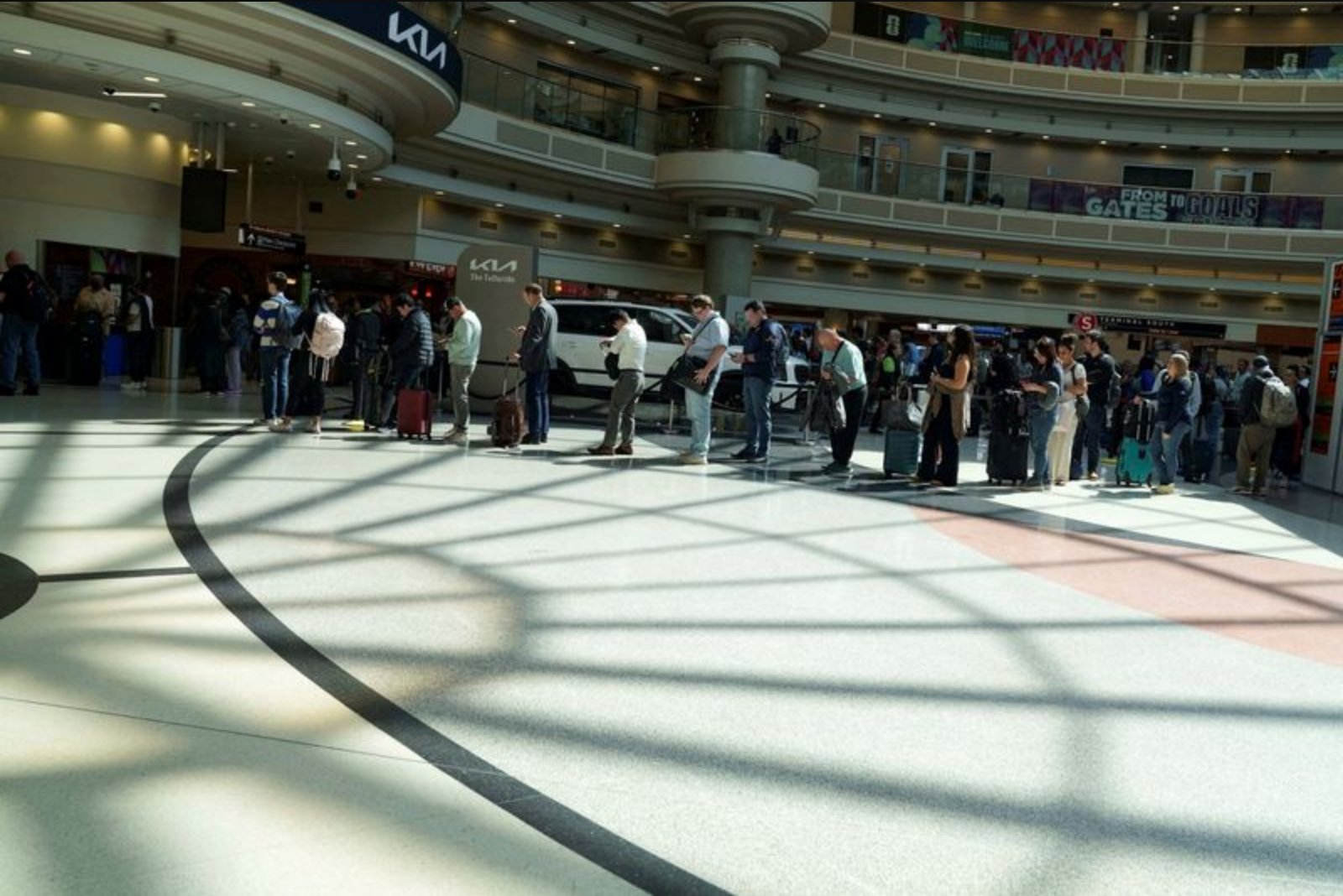
On March 21, billionaire entrepreneur Elon Musk posted on his social media platform X that he would pay the salaries of Transportation Security Administration personnel while a funding lapse affecting the Department of Homeland Security remains unresolved. The offer comes as TSA officers confront a second unpaid work stoppage in six months amid a partial federal government shutdown that has entered its fifth week.
"I would like to offer to pay the salaries of TSA personnel during this funding impasse that is negatively affecting the lives of so many Americans at airports throughout the country," Musk wrote. The statement follows reports that screeners and other TSA staff are only days away from missing a second full paycheck. Despite the looming missed pay, employees are under pressure to continue reporting for duty as screening waits at several airports have stretched to hours.
Requests for comment to the Department of Homeland Security, the TSA and representatives for Musk did not receive immediate responses. Airlines and travel industry groups have warned that absences among the TSA's roughly 50,000 airport security officers could increase again over the coming weekend, potentially exacerbating delays for travelers.
Federal data put average annual pay for TSA staffers at approximately $61,000. In several communities, airports have organized food drives and are accepting donations to support security screeners while the impasse persists.
Timelines for resolving DHS funding remain unclear. Senate Majority Leader John Thune said bipartisan negotiators have narrowed outstanding disputes over DHS funding, but no agreement has been finalized. Earlier this year, Democrats in Congress agreed to fund most of the government while withholding funds from DHS following the killings of two U.S. citizens in Minnesota by immigration authorities.
The current situation echoes prior pay shortfall responses. Last year, President Donald Trump said a wealthy donor provided $130 million to help cover potential military pay shortfalls during a government shutdown that lasted 43 days and was the longest in U.S. history.
Meanwhile, public discussion has surfaced about investment decisions and data-driven tools for identifying opportunities, framed in the context of broader economic and market considerations. Those conversations reference the value of improved data and analytical tools to guide investment thinking in 2026, though they are separate from the immediate operational and personnel challenges at airports.