
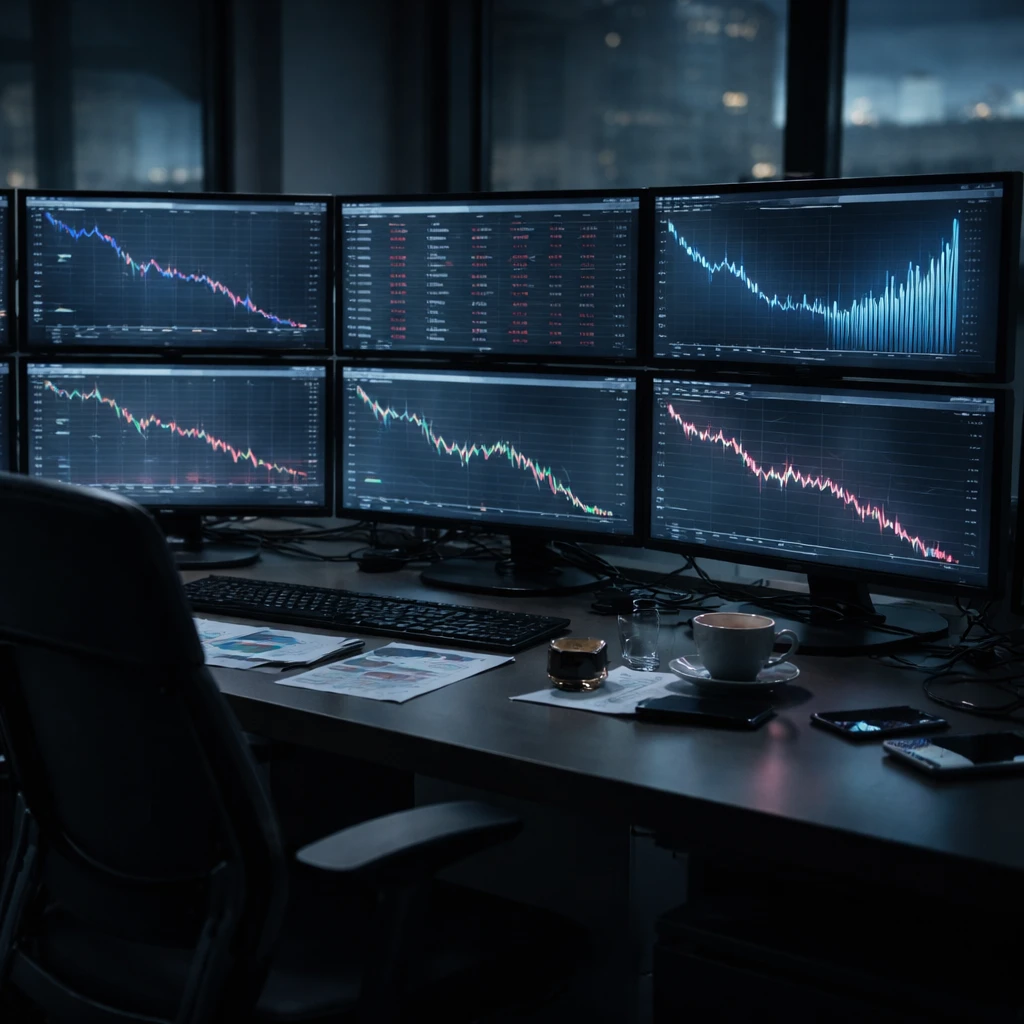
Mizuho analyst Jordan Klein on Thursday depicted a market environment marked by extremely low trading activity and a prevalence of forced position reductions, driven by ongoing geopolitical uncertainty.
Klein said that equity volumes for the day were the second lowest recorded this year, with only January 2 producing thinner trading. He added that technology-focused investors raised no questions about the day’s price moves, underscoring subdued engagement.
Fund manager behavior and positioning
According to Klein, many fund managers have largely stepped back from active trading, cutting risk and reducing net exposure. He warned that selling too aggressively carries its own risk if a ceasefire were to take hold, but noted that markets kept drifting lower even after President Trump said Iran was "desperate to make a deal" - a comment that, in Klein’s view, appears to have had the opposite effect on sentiment.
Klein also highlighted the ongoing activity among systematic strategies. Commodity trading advisors (CTAs) and quantitative funds have been selling to pare exposure as the VIX climbed heading into the weekend, and as a ceasefire deadline was extended by 10 days.
Sector performance and pair trade unwinds
Semiconductor stocks absorbed significant losses on Thursday, along with many popular artificial intelligence-related names. At the same time, software and IT services equities posted gains. Previously shorted hardware and wireless semiconductor stocks also moved higher, signaling that pair trades were being unwound.
Klein pointed to acute weakness in optical components and semiconductor capital equipment subsectors. He said there was no willingness among investors to try timing a market bottom or to add positions on the dip.
Rates, crypto and outlook
Rising interest rates remain a notable concern, Klein said, noting that if 10-year Treasury yields were to approach 5% it would create headwinds for all equities. He reported that cryptocurrencies were selling off on Friday morning, with futures hinting at further downside before the weekend.
Despite his concerns about elevated rate levels, Klein maintained that a 5% yield environment would not halt the expansion, usage and investment in artificial intelligence and large language models.