
Stock Markets January 30, 2026

Michigan Attorney General Seeks Return of $23.7 Million From Gotion After US Plant Plan Collapses

State demands repayment following company default on agreement tied to a scrapped $2.4 billion electric-vehicle materials plant

By Marcus Reed
Michigan Attorney General Seeks Return of $23.7 Million From Gotion After US Plant Plan Collapses

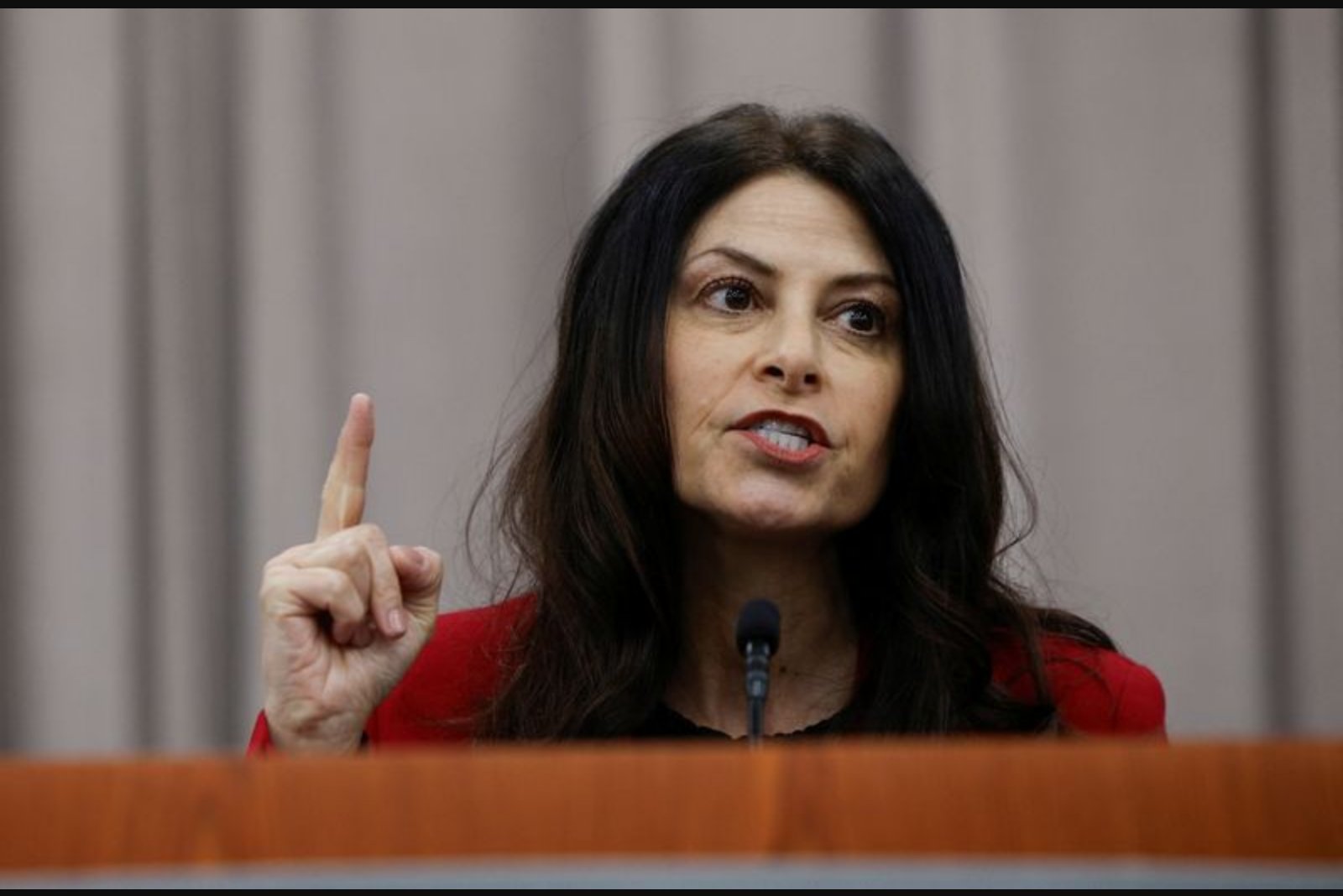
Michigan Attorney General Dana Nessel has asked Chinese battery maker Gotion Inc to return $23.7 million in state funds after the company abandoned plans to build a $2.4 billion plant in Michigan to produce materials for electric vehicle batteries. State officials say Gotion is in default and have given the company 30 days to repay; the dispute follows other legal filings and broader industry retrenchment in the EV sector.

Key Points

  • Michigan Attorney General Dana Nessel has requested Gotion return $23.7 million, stating the company is in default and giving a 30-day repayment deadline.
  • A separate $125 million state grant for the project was not disbursed; state officials say Gotion abandoned the Michigan plant while the company has called the project no longer viable in court filings.
  • Ownership and control issues have been highlighted - Volkswagen is the largest single shareholder with about 30 percent of Gotion High-Tech (002074.SZ) while U.S. lawmakers said China maintains effective control through multiple shareholders; the situation is occurring amid broader EV market retrenchment.

Michigan's top legal officer has formally demanded that Gotion Inc repay $23.7 million in state funding after the Chinese battery maker walked away from a proposed $2.4 billion factory in Michigan intended to produce essential materials for electric vehicle batteries.

In a letter issued Friday, Attorney General Dana Nessel's office notified Gotion it was in default under the agreement tied to the Michigan project and that outstanding issues remain unresolved. The office set a 30-day deadline for the return of the state money.

The project, first unveiled in October 2022, had been projected to deliver about 2,350 factory jobs. It drew scrutiny from some lawmakers because of the company's Chinese ownership. Gotion had not provided an immediate response to requests for comment regarding the repayment demand.

Separate state records show a related $125 million grant administered by the Michigan Economic Development Corporation was never paid out. The development corporation said last year that Gotion had abandoned the Michigan project. Gotion disputed that characterization, but lawyers for the company stated in a recent court filing that the project "is no longer viable."

The company's ownership structure has attracted attention. Volkswagen of Germany is the largest single shareholder in Gotion Inc's parent, holding roughly 30 percent of Gotion High-Tech (002074.SZ). U.S. lawmakers said last year that China retains "effective control" through multiple individual shareholders.

Gotion has sought to portray continued commitment to clean-energy ambitions in the United States. The company stated last year that it "remains firmly committed to its mission of driving America’s clean energy future," and referenced operations at a separate plant in Illinois.

Legal friction over the Michigan project has included litigation. In March 2024, Gotion sued Green Township in Michigan, alleging the township breached an agreement to facilitate construction of the plant.

The dispute over the Michigan site has unfolded against a broader backdrop of cooling U.S. consumer interest in electric vehicles. Over the past year, weaker demand contributed to automakers postponing or canceling various factory and vehicle projects. Recent changes in U.S. EV policy under the Trump administration have been cited as prompting further retrenchment across the auto industry.


Context and implications

  • The state has formally demanded repayment of $23.7 million and set a 30-day window for compliance.
  • A related $125 million state grant was never disbursed, and the company has described the Michigan project as no longer viable in court filings.
  • Ownership concerns have persisted, with Volkswagen owning about 30 percent of Gotion High-Tech (002074.SZ) while U.S. lawmakers have said China exercises effective control through multiple shareholders.

Risks

  • Legal uncertainty tied to the aborted project - Gotion is engaged in litigation with Green Township and has described the Michigan project as no longer viable, creating ongoing legal and financial risk for the parties involved. This impacts local economic development and legal risk exposure.
  • Financial recovery risk for the state - the outcome of the repayment demand and any related litigation will determine whether Michigan recovers the $23.7 million and could affect state economic development programs and budgets.
  • Market and policy headwinds in the EV sector - weakening consumer interest in electric vehicles and recent U.S. EV policy changes have led automakers to delay or scrap projects, increasing uncertainty for suppliers, manufacturers, and related capital investment decisions.

More from Stock Markets

Draganfly Shares Jump After Win to Supply Flex FPV Drones and Training to Air Force Special Ops Feb 2, 2026 Peakstone Realty Trust to Be Taken Private by Brookfield; Shares Jump 33% Feb 2, 2026 Beyond Inc. Moves to Build Unified Investment and Personal Finance Platform with Tokens.com Deal Feb 2, 2026 Eton Pharmaceuticals Gains After Securing U.S. Rights to Ultra-Rare Disease Candidate Feb 2, 2026 Morgan Stanley Survey: Broader Consumer Sentiment Improves While Electronics Spending Intentions Slip Feb 2, 2026