
Stock Markets April 2, 2026

Melius Boosts RTX to Buy, Citing Surge in Procurement Tied to Operation Epic Fury

Analyst raises estimates and sets $242 target as missile and shipbuilding orders lift outlook for aerospace and defense

By Maya Rios RTX
Melius Boosts RTX to Buy, Citing Surge in Procurement Tied to Operation Epic Fury
RTX

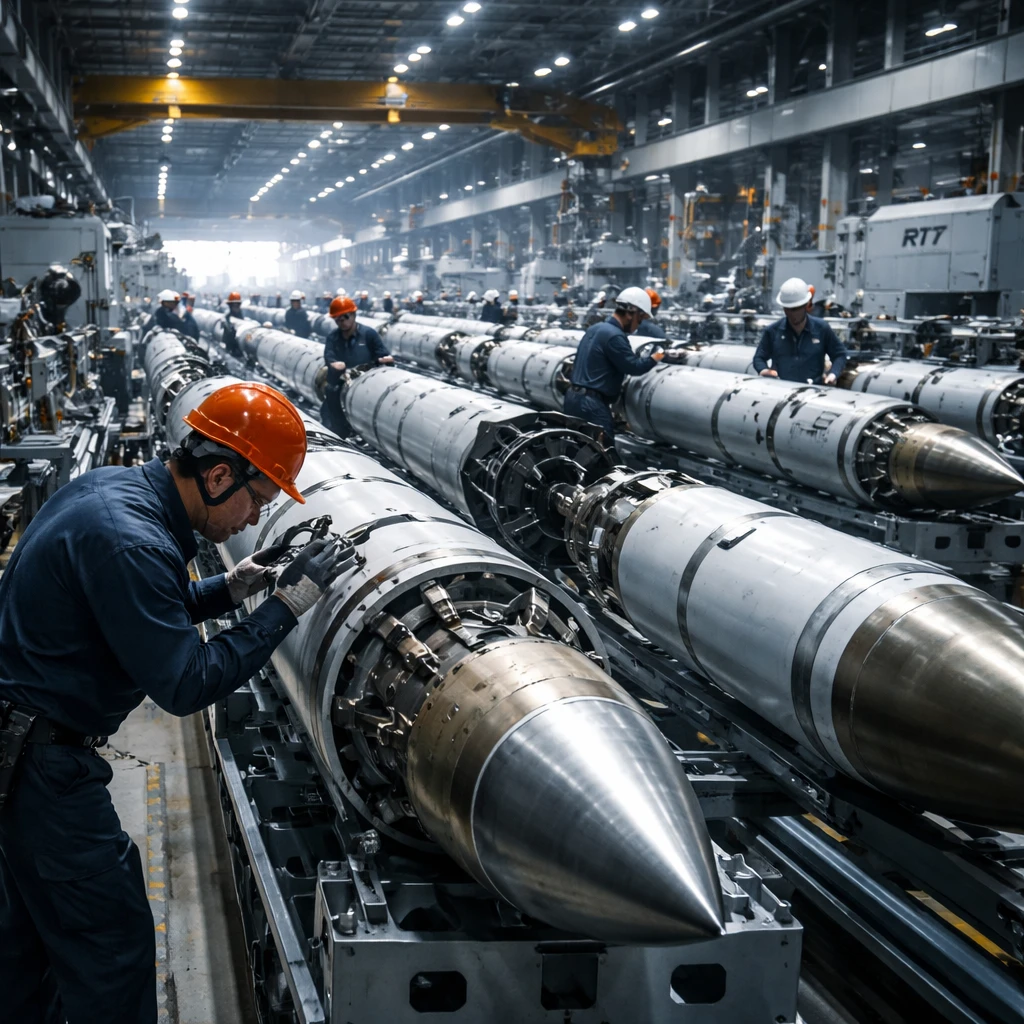
Melius Research elevated RTX Corp. from hold to buy and increased its price target to $242, projecting that Operation Epic Fury will trigger a prolonged period of military procurement that favors RTX. Analyst Scott Mikus models stronger defense end-market sales through 2028, driven by multi-year production frameworks for missiles, munitions and shipbuilding programs, and highlights RTX's central role across major missile and defense programs.

Key Points

  • Melius Research upgraded RTX to buy and raised the price target to $242, citing sustained defense procurement from Operation Epic Fury.
  • Scott Mikus projects high-single-digit core sales growth through 2028 for the defense end market, exceeding consensus mid-single-digit forecasts, with potential for annual growth above 10% if supply constraints ease.
  • RTX is a prime contractor on key missile and defense programs (Patriot, NASAMS, AMRAAM, Standard Missile, Tomahawk); Melius estimates replacing RTX-produced munitions expended in the first 16 days of Operation Epic Fury would cost about $6 billion.
  • Approximately 18% of RTX's sales are tied to missiles and missile defense, and some program production rates could double or quadruple as multi-year agreements are completed; RTX's revenue mix is roughly 52% defense and 48% commercial aerospace.

Melius Research has upgraded RTX Corp. to a buy rating from hold and raised its price target to $242 a share, arguing that Operation Epic Fury will stimulate a protracted wave of defense spending that should meaningfully benefit the aerospace and defense contractor.


Analyst Scott Mikus expects the defense end market to register high-single-digit core sales growth through 2028, a pace he notes is well above consensus forecasts that anticipate mid-single-digit gains. Mikus attributes the stronger outlook to emerging multi-year production frameworks across missiles, munitions and shipbuilding programs that underpin sustained procurement activity.

Mikus also said that, "absent supply chain constraints, annual sales growth in the defense end market would likely exceed 10% over the next several years." That caveat points to supply-chain capacity as a potential limiter on production and revenue upside.

The research note highlights RTX's position as a prime contractor on a number of key systems - including the Patriot, NASAMS, AMRAAM, Standard Missile and Tomahawk - placing the company at the center of heightened demand for missile and missile-defense capabilities. Melius estimated that replacing munitions produced by RTX that were expended in the first 16 days of Operation Epic Fury would cost roughly $6 billion, with additional upside expected as inventories are rebuilt above pre-conflict levels.

On portfolio exposure, Melius calculates that approximately 18% of RTX's total sales are directly linked to missiles and missile-defense programs. For some of those programs, production volumes are anticipated to double or quadruple as multi-year agreements are finalized, according to the firm.

Mikus emphasized RTX's diversified revenue mix as an attraction for investors: about 52% of sales are defense-related while the remaining 48% come from commercial aerospace. That balance, he argues, provides participation in the ongoing defense upcycle while retaining exposure to commercial aerospace activity. He further noted that heavy F-35 utilization in the conflict would likely drive incremental maintenance and spare parts demand for Collins Aerospace and Pratt & Whitney, contributing to aftermarket revenue.


Overall, Melius' upgrade and higher price target rest on the expectation that multi-year production commitments and elevated replenishment of inventories will create sustained demand for RTX's defense-related products and services, subject to the constraints and execution risks that the analyst highlights.

Risks

  • Supply chain constraints - Mikus notes that production and sales growth could be limited if supply chain issues persist, potentially preventing annual growth from exceeding 10%.
  • Finalization risk for multi-year agreements - planned doubling or quadrupling of production for some programs depends on multi-year agreements being finalized.
  • Inventory and replenishment timing - while Melius estimates a roughly $6 billion cost to replace munitions expended in the first 16 days of Operation Epic Fury, actual revenue timing and magnitude depend on inventory rebuild schedules and production capacity.

More from Stock Markets

Coinbase Wins Conditional Approval for National Trust Charter, Paving Way for Federal Custody Apr 2, 2026 BTIG Flags New DRAM ETF as a Contrarian Sell Signal for Memory Stocks Apr 2, 2026 Morgan Stanley China Summit Exposes Divergent Investor Views on AI Transceivers and Smartphones Apr 2, 2026 Belgian Equities Slip at Close as BEL 20 Edges Down 0.08% Apr 2, 2026 Paris Markets Slip as Industrials, Financials and Tech Weigh on CAC 40 Apr 2, 2026