
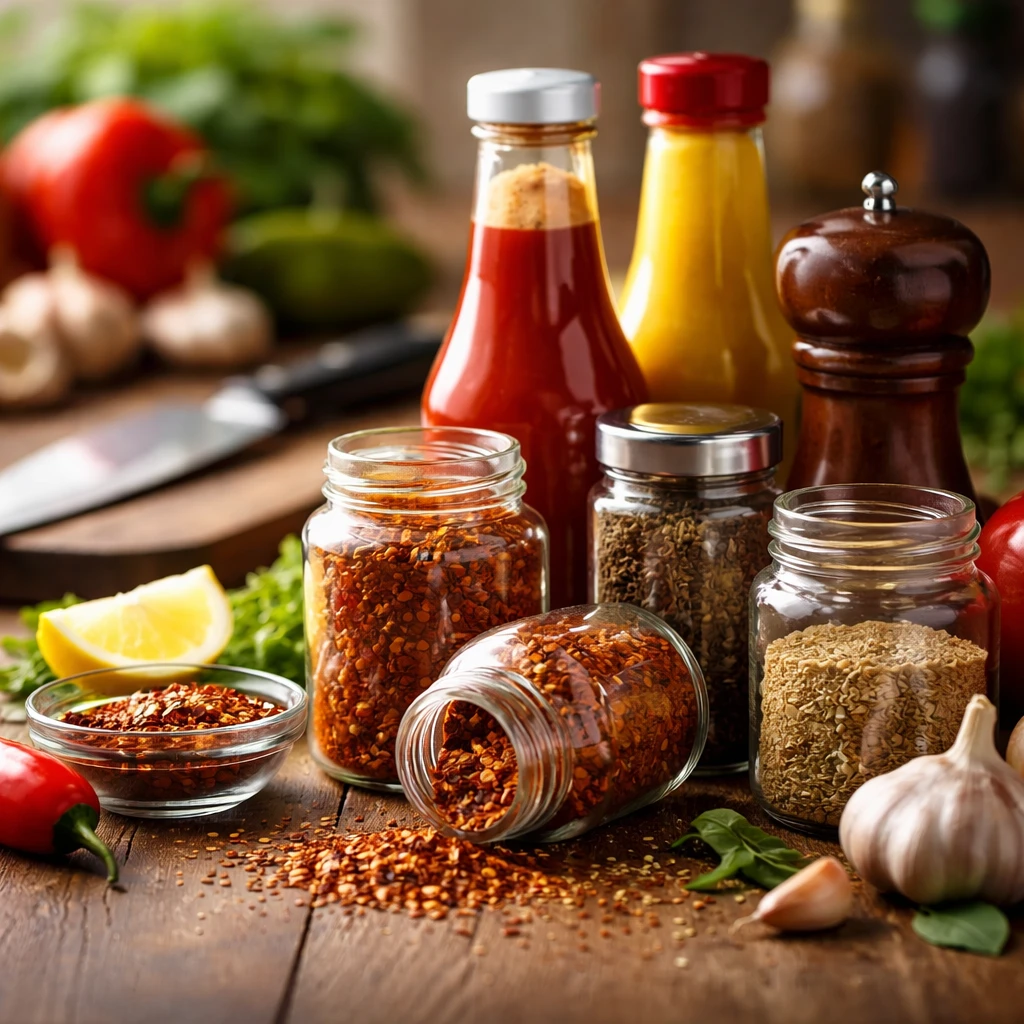
McCormick has agreed to combine with Unilever’s food unit to create a sauce-and-spice company with an implied value near $65 billion. Company executives presented the merger as a strategic play to access accelerating global appetite for flavor-forward yet healthier food choices, while acknowledging a softening domestic backdrop in the United States.
Shares of both firms fell on Tuesday after the deal was announced, as some investors reacted to concerns over how the transaction is structured, the extended timeline expected before the deal can be completed and the antitrust risks that can accompany large consumer goods consolidations.
Management framed the move as a long-term repositioning. McCormick’s chief executive, Brendan Foley, highlighted the company’s belief that flavor will remain central to consumers’ food decisions, even as calorie-conscious eating becomes more common. "We will continue to flavor calories while others compete for them," Foley said on an investor call. He added that the shift toward more at-home cooking, higher protein and produce consumption and broader efforts to pursue healthier lifestyles all increase the importance of seasoning and condiments in making those choices enjoyable.
Executives and industry observers point to accelerating interest in flavor enhancers as a structural tailwind, driven in part by changes in eating habits associated with the growing use of GLP-1 weight-loss medications. Dealmakers and some analysts argue that consumers moving away from high-fat, overly sweet or heavy foods create a market opportunity for spices, hot sauces and other condiments that deliver sensory satisfaction without adding calories.
Timothy Malefyt, a marketing professor at the Gabelli School of Business at Fordham University, summarized that shift by noting the potential for flavor products to provide taste satisfaction as consumers reduce calorie-dense items. On the investor call, McCormick executives emphasized that combining their portfolio with Unilever’s would bring together familiar brands such as Frank’s RedHot and Hellmann’s mayonnaise and significantly expand the company’s geographic reach.
Supporters of the transaction say the merged company would gain better exposure to faster-growing markets outside the U.S. and strengthen its foodservice offerings. Mike Anstey, founder of Pilot Lite, said McCormick could be well placed to create nutritional and functional benefits in foods that he believes are lacking domestically. Jefferies analyst Scott Marks described the move as a "step-change in scale," noting that it broadens McCormick’s exposure to emerging markets including Brazil and China and expands opportunities across Europe, the Middle East and Africa.
Not everyone was convinced that the deal will immediately resolve McCormick’s near-term challenges. The U.S. market has presented multiple headwinds: consumers are increasingly choosing healthier options while also looking for lower-cost pantry solutions and smaller package sizes as inflationary pressures constrain household budgets. McCormick’s own reported total volume growth slowed over the past year and fell 0.7% in its most recently reported quarter, with declines across both consumer brands and its flavor solutions business.
Erin Lash, an analyst at Morningstar Research, cautioned that while the strategic rationale has merit, the merger could also be seen as an attempt to drive growth in a sector where gains have been limited. Observers pointed to rival interest as an indicator of the competitive landscape; media reports noted that Kraft Heinz had explored a potential bid for Unilever’s food business, underscoring the pressure companies face in the U.S. food market. Kraft Heinz later paused plans for a corporate split, a move interpreted by some as a response to current market dynamics.
Foley acknowledged the near-term pressures facing the consumer packaged goods sector, including geopolitical tensions in the Middle East and other broad industry headwinds, but reiterated McCormick’s confidence in the long-term fundamentals of the proposed combination.
Implications for markets and sectors
- Consumer packaged goods - The deal could reshape scale and competitive dynamics across condiments, spices and foodservice channels.
- Emerging markets exposure - McCormick expects broader international reach, particularly in Brazil, China and EMEA regions.
- Retail and grocery - Shifts in portioning and pricing demand are influencing pack size and value offerings in the U.S. pantry market.