
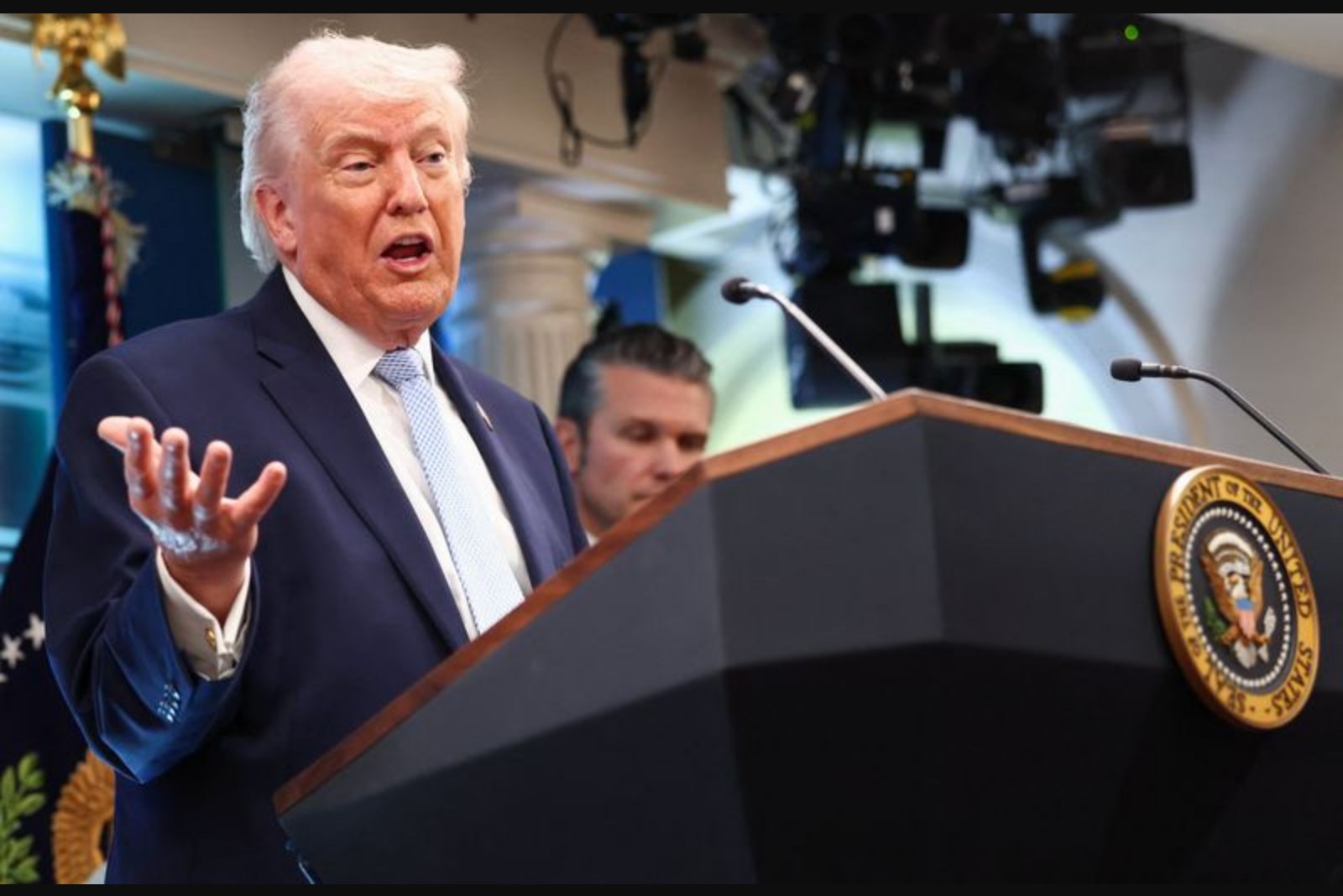
U.S. President Donald Trump said on Tuesday that he had agreed to a two-week ceasefire with Iran, a development announced less than two hours before his deadline for Tehran to reopen the Strait of Hormuz or face widespread attacks on its civilian infrastructure.
Markets reacted quickly. Oil prices fell, bonds rallied and stocks moved higher as traders interpreted the pause as creating the possibility of a longer-term easing of tensions and the eventual resumption of oil and gas flows through the Gulf.
Participants in financial markets and commentators pointed out that while the immediate reaction was strong, the underlying shift in investor behavior was less certain.
Investor and analyst reactions
Martin Whetton, head of financial markets strategy at Westpac in Sydney, said the market response was familiar but not necessarily a signal that investors were increasing risk exposure. He commented: "This is what happens all the time. Does it mean people are going to take new risks? No, it doesn’t. It would have to actually be a lasting peace (to change things). People aren’t actually taking risk. This is algos doing stuff."
Brian Jacobsen, chief economist at Annex Wealth Management in Menomonee Falls, Wisconsin, noted that the two-week agreement was sufficient to lift hopes that widespread destruction could be avoided and that oil might begin to move again through the Strait of Hormuz. He said: "President Trump said he agreed to a two-week ceasefire. That’s enough to keep hopes alive that not only will an entire civilization NOT be destroyed, but we could see oil start flowing through the Strait of Hormuz. Is it just kicking the can down the road, moving the goal posts, TACO Tuesday, or whatever metaphor we’d like, to only to have tempers flare and bombs drop again? Who knows? But it’s good enough for now to elicit a positive response from the markets."
Promotional content present in the original report
The original report also included a promotional passage about investment tools, posing the question of what the best investment opportunities in 2026 might be and describing a subscription product that claims to combine institutional-grade data with AI insights to help investors identify potential ideas. That passage framed the value proposition as improving data-driven decisions over relying solely on intuition.
Bottom line - The ceasefire announcement triggered immediate moves across oil, bond and equity markets. Observers stressed that unless the pause evolves into a durable peace, constrained market risk-taking may persist despite short-term rallies.