
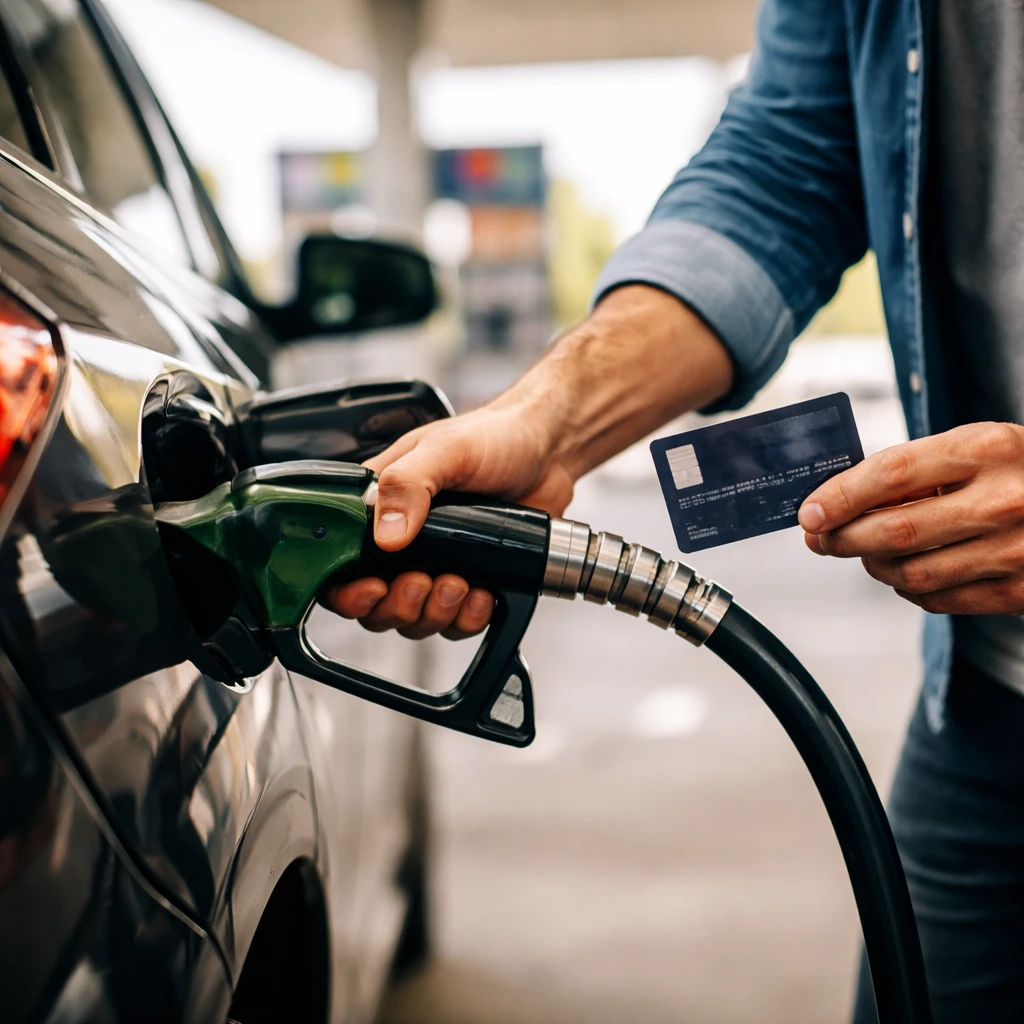
Lyft said it will introduce a temporary driver-relief program in the United States to help offset rising gasoline costs that are eroding earnings for gig workers. The company framed the effort as a short-term measure intended to provide immediate, card-based savings to drivers facing higher fuel bills.
The 60-day initiative runs from March 27 through May 26 and is structured around cash-back incentives tied to the Lyft Direct debit card when used at eligible gas stations. Under the program, drivers in the top performance category will receive an extra 2% cash back on fuel purchases, while mid-level drivers will be eligible for an additional 1% cash back. Those bonuses are applied on top of Lyft's existing rewards scale, which ranges from 1% to 10% depending on a driver's status.
Lyft quantified the potential benefit for drivers by referencing current national average fuel prices. Based on an average price of $3.97 per gallon, the company stated that combined savings - which include incentives from Lyft partners - could amount to as much as 94 cents per gallon for top-tier drivers. The company described the program as temporary relief timed to address a recent and sharp rise in fuel costs.
According to Lyft's announcement, fuel prices have climbed in recent weeks, with the national average jumping more than 30% and sitting near $4 per gallon. The company attributed the surge in gasoline costs to energy supply disruptions linked to the ongoing U.S.-Israeli conflict with Iran, noting that those disruptions are pressuring gig workers' take-home pay.
Other gig-economy platforms have taken similar steps. Food delivery platform DoorDash said it would launch a comparable program that will run through April 26.
Context and implications
The relief program is explicitly temporary and targeted at reducing immediate out-of-pocket fuel expenses for drivers who use the Lyft Direct card. The structure ties rewards to driver performance tiers and existing rewards levels, so the per-driver benefit will vary depending on status and partner offers.
Lyft's move addresses a direct cost pressure on gig workers without altering base pay or long-term compensation structures.