
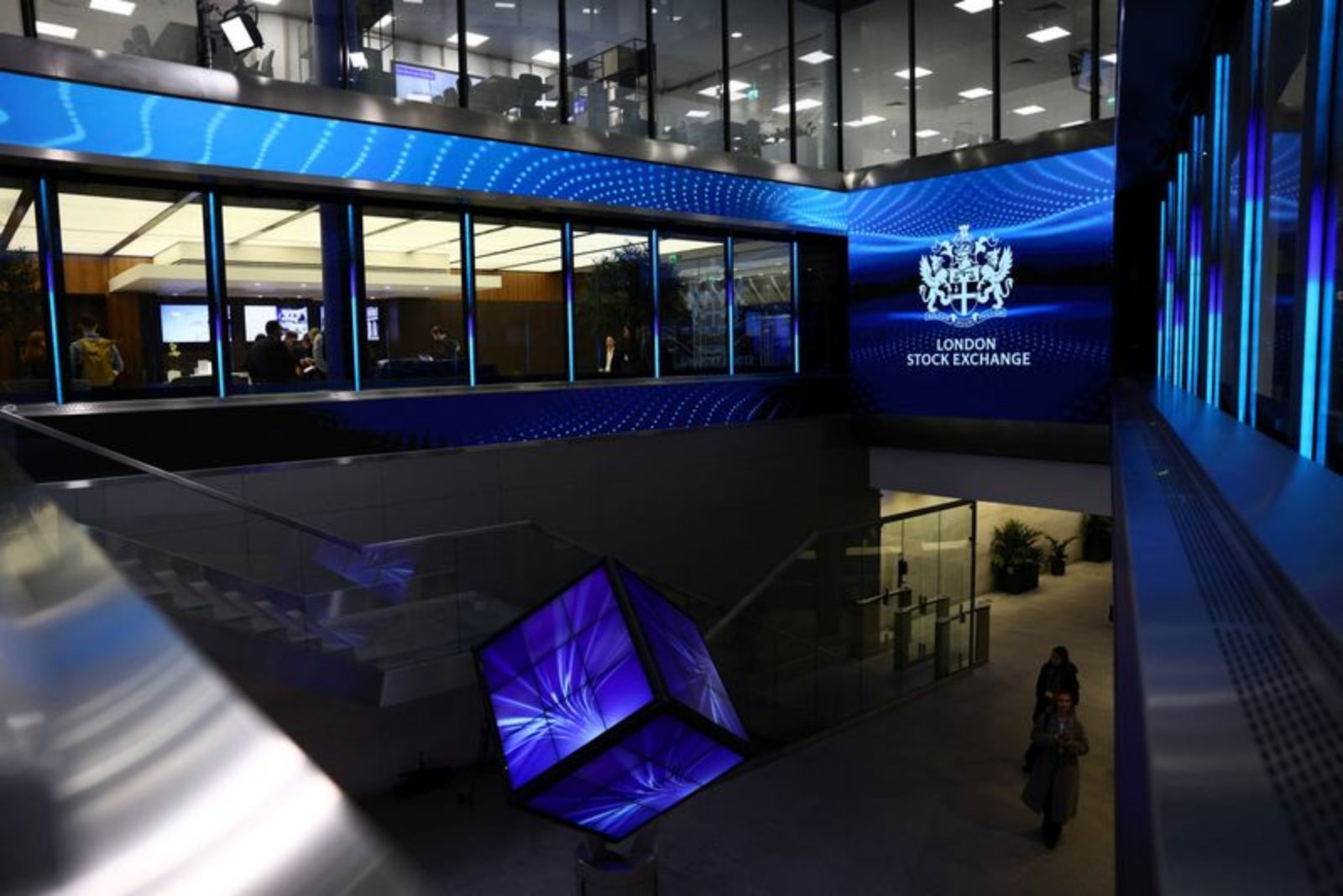
London Stock Exchange Group (LSEG) heads into its 2025 results announcement on Thursday with heightened investor scrutiny after the company's stock fell about 30% over the past year and an activist investor has signalled a desire for operational changes.
Chief executive David Schwimmer, who assumed the role in 2018, faces limited and imperfect options for restoring confidence among shareholders, according to four analysts, three investors and three people who have worked with the company. Those options include launching sizable share buybacks, convincing the market of the long-term strength of LSEG’s proprietary data in an AI-driven environment, driving cost savings to boost margins, and selling assets. None of these paths promises an easy or certain outcome.
Activist pressure intensifies
Earlier this month activist investor Elliott Management emerged as a shareholder pressing for improved performance. Elliott, known for its activist campaigns, has not publicly detailed specific demands or confirmed the size of any holdings. People familiar with the situation told Reuters that Elliott has placed margin improvement at the centre of its agenda and is also pushing the company to make fuller use of AI internally to lift efficiency.
Stephen Yiu, chief investment officer of the Blue Whale growth fund and an LSEG shareholder, said the management team must demonstrate "that they have the credibility to take LSEG to the next stage." Yiu added that he continues to hold the position he took in December 2023 while closely monitoring management's response to Elliott and any signs of operational progress.
In response to investor engagement, LSEG said it "maintains an active and open dialogue with our investors, while remaining focused on executing our strategy." Elliott declined to comment to Reuters on requests it may have made to the company or on whether it has acquired shares.
Background to the current test
Schwimmer led LSEG through a major expansion following his appointment. In 2019 LSEG completed a £27 billion takeover of Refinitiv to broaden its remit from being the owner of the London exchange into a diversified data and markets group. In 2022 the company agreed a 10-year AI and cloud partnership with Microsoft.
Despite those strategic moves, LSEG's shares have underperformed some peers in exchanges and data markets. In recent weeks the stock has been subject to additional selling as some investors voiced fears that AI could disrupt LSEG's business model. Management has sought to counter such claims, with Schwimmer arguing that the unique, non-replicable nature of much of LSEG’s data makes it resistant to simple disintermediation by AI models that rely on public internet data.
Not all shareholders share the same alarm about AI risk. Lindsell Train, a top-five investor, wrote in a February memo that the company's recent share price weakness reflected a broader selloff in software and data stocks and could "point to no operational failings to account for the recent share price falls." All 16 analysts who follow LSEG recommend buying the stock, and some argue that fears about AI’s impact on the business are overstated.
Financial expectations and the Microsoft tie-up
Analysts polled by the company expect adjusted pretax profit to rise to 3.3 billion pounds in 2025 from 2.97 billion pounds in 2024, according to a company-compiled consensus. Schwimmer has described the Microsoft partnership as "transformative" and said that a "meaningful" revenue impact would begin in 2025. Some analysts and investors, however, say that the partnership has yet to show clear financial benefits, with Blue Whale’s Yiu remarking that "the partnership has failed to deliver so far and other companies are moving much faster." Microsoft declined to comment.
Subscription growth and margin questions
LSEG’s growth in annual subscription value (ASV), a key measure of recurring revenue across its major business lines, has flattened in recent periods. ASV rose from 4.6% in 2021 to 6.2% in 2022, helped in part by lower customer attrition, but has since softened to 5.6% in the most recent quarterly results. The decline is partly attributable to a one-off hit related to the consolidation of Credit Suisse’s historic accounts.
Elliott is focused on the company's profit margin, which it considers to lag competitors. While Reuters could not independently verify what specific steps Elliott is advocating, sources said internal deployment of AI to drive efficiency is among the options being discussed. Elliott is also urging LSEG to address more robustly the argument that AI could undermine its data business and to more clearly explain the benefits of its long-term Microsoft relationship.
Capital allocation and potential asset sales
People familiar with Elliott’s thinking said the activist believes LSEG could support as much as a 5 billion pound buyback. LSEG did not reply to a request for comment on that point. UBS analysts have modelled that, if valued on a similar basis to peers, LSEG's overall value could be around 47 billion pounds; the company’s market capitalisation was 39 billion pounds at Wednesday’s close.
Elliott reportedly views FTSE Russell, the group's index business, and LCH, its clearing division, as undervalued elements of the group. The activist has also considered the prospect of selling part or all of LSEG’s 51% stake in Tradeweb, which was said to be worth nearly $13 billion at current market prices. Such a break-up would amount to an admission that the integrated strategy has not produced the intended value uplift, according to one person who has worked with Schwimmer.
Schwimmer has argued that the group's units are "great trophy assets on their own" and that they become more valuable when integrated. He said LSEG is linking its products more tightly. Several analysts and at least one shareholder expressed support for increased buybacks but warned against major disposals. Ben Needham, a portfolio manager at Ninety One and a top-20 shareholder, said: "We think it would be the wrong decision. You get a higher share price because of it; it would no doubt be accretive to where the market is today. But instant gratification isn’t a way of creating long-term value."
Outlook and immediate questions
As LSEG presents its 2025 results, investors will be watching for concrete signs that the Microsoft partnership is translating into revenue, indications of margin improvement, and clarity on capital allocation choices including whether management will pursue large buybacks or divestments. The company faces the twin challenge of defending its data franchise against AI-related concerns while demonstrating that its strategic investments are beginning to deliver at scale.
Management’s next moves are likely to shape how shareholders judge whether the past few years of transformational deals and partnerships have positioned the group for sustainable growth - or whether more radical changes will be required to unlock shareholder value.