
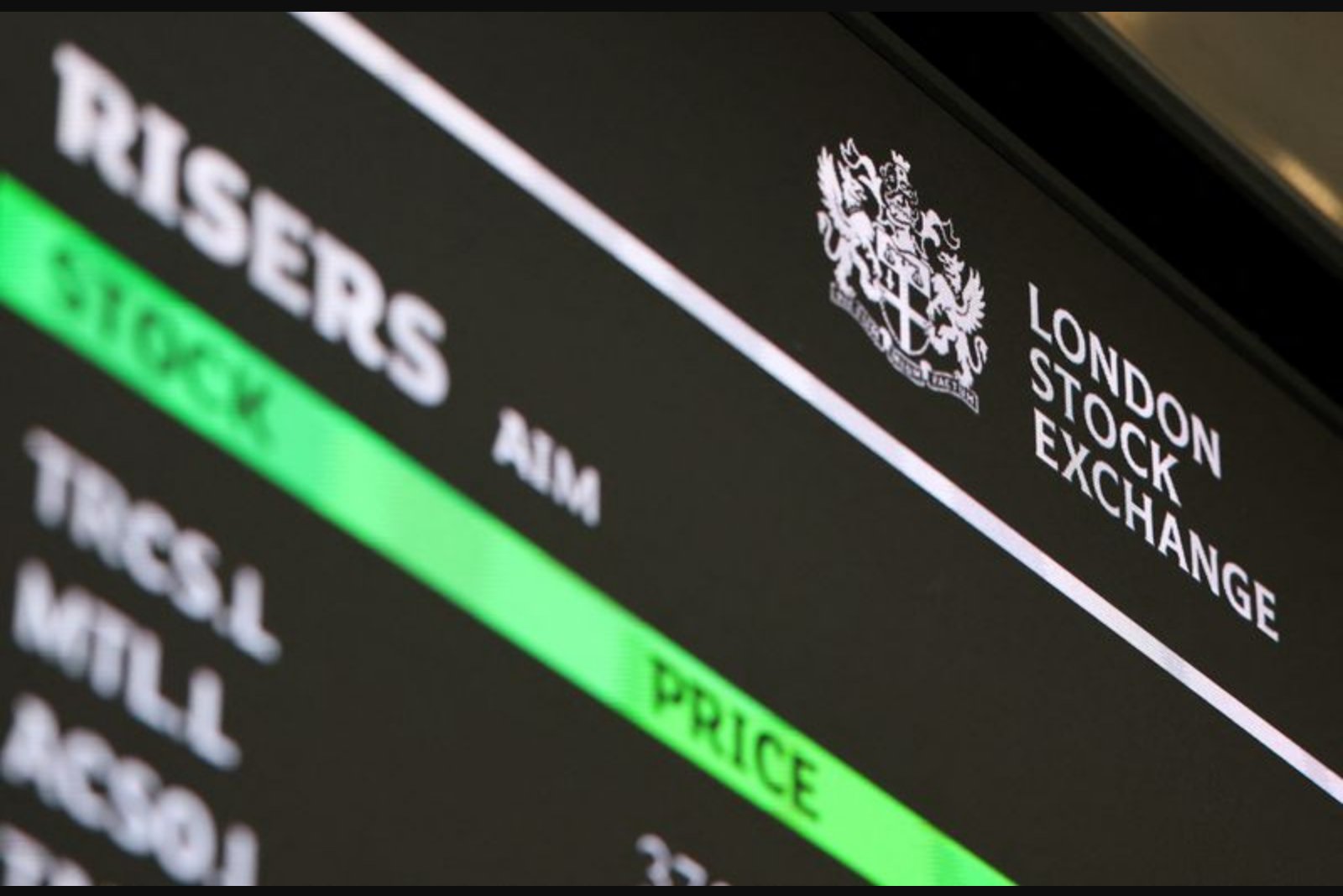
London stock markets stabilized on Wednesday after suffering declines over the previous two sessions amid renewed tensions in the Middle East. Heavyweight financials supported the rebound, while the housebuilding sector lagged following corporate updates at several builders.
The FTSE 100 index climbed 0.7% at 1124 GMT as investors absorbed weekend escalations in the Middle East conflict that had pushed the index almost 4% below its record high recorded on Friday. The FTSE 250 midcap index also firmed, rising 0.7%.
Banking names led the advance. HSBC, Standard Chartered and Barclays each rose about 0.9% as lenders that had borne the brunt of economic worries linked to the conflict earlier in the week participated in the recovery. Metro Bank added 1.7% after forecasting that a key profitability metric would more than double over the next six months and nearly triple over the next 18 months.
Investors were also paying close attention to geopolitical developments. Despite continued military actions by Israeli and U.S. forces against Iran, and retaliatory strikes around the Gulf, some market participants took comfort from U.S. President Donald Trump’s promise of political risk insurance and financial guarantees for maritime trade in the Gulf. The administration framed the move as a forceful measure to help contain soaring energy prices amid the escalating conflict and related global inflation concerns.
Economic indicators added to the mixed backdrop. The latest survey showed Britain’s services sector grew robustly last month, but that job cuts and price pressures persisted. Those persistent price pressures and labour market developments are likely to be a consideration for the Bank of England as it approaches its interest rate decision later this month. Market pricing suggested roughly a one-in-three chance that the BoE would trim borrowing costs at its March 19 meeting.
The housebuilding sector underperformed. Barratt Redrow fell 1.2% after announcing it had appointed Ventia CEO Dean Banks as its new chief executive, with David Thomas due to retire after more than a decade leading the company. Smaller rival Vistry tumbled nearly 20% to the bottom of the midcap index after warning that profit margins would fall in 2026 and announcing that CEO and executive chair Greg Fitzgerald was to retire.
Separately, some market commentary questioned whether certain bank stocks, including HSBC, presented buying opportunities following the recent volatility. A third-party AI stock selection product referenced HSBC specifically when discussing its monthly evaluations and cited past winners it had identified based on financial metrics and momentum.
Context and outlook
In the near term, investors are balancing geopolitical risk, potential energy price pressures, and domestic economic indicators as they position ahead of the Bank of England decision on March 19. Banking shares provided much of the day’s support, while homebuilders faced fresh corporate headwinds that trimmed market confidence in that sector.