
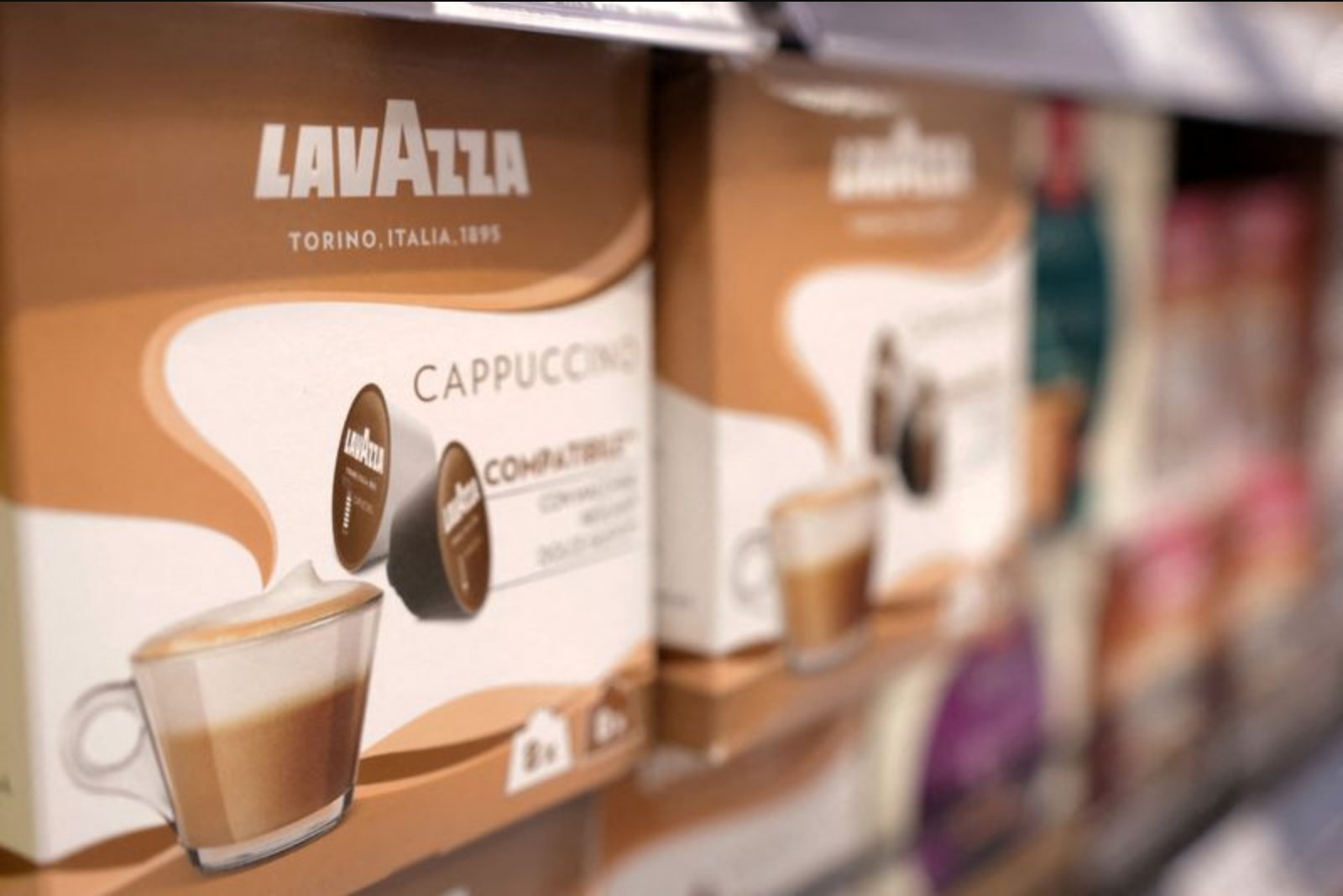
Lavazza said on Monday that it delivered higher revenue and profit for the year even as the coffee sector grappled with elevated commodity prices and softer global demand. Annual sales increased by 15.7% to 3.9 billion euros, and the group's core profit rose 8.8% to 340 million euros. The company highlighted particularly strong expansion in North America, where sales grew 27% despite U.S. import tariffs.
The 130-year-old Italian coffee company pointed to several persistent headwinds that continue to affect the industry. Management cited high green coffee prices, ongoing regulatory uncertainty and a logistics crisis that has driven up costs and extended delivery times. Collectively, the company said these factors have helped produce a contraction in sales volumes on a worldwide basis.
In comments accompanying the results, Antonio Baravalle, CEO of the Lavazza Group, noted the broader geopolitical backdrop. "These first months (of the year) have been marked by further serious geopolitical tensions, which will also impact on companies' operating costs", he said in a statement.
The group reported solid growth in North America, where a 27% rise in sales helped drive the overall revenue increase. The company did not change the basic financial figures provided: revenue up 15.7% to 3.9 billion euros, core profit up 8.8% to 340 million euros, and a dollar-euro conversion provided at $1 = 0.8701 euros.
Lavazza also reiterated the operational challenges facing the sector. Higher green coffee prices and the logistics disruptions were described as contributors to higher operating costs and longer delivery times. The company linked these pressures, together with regulatory uncertainty, to the observed global contraction in sales volumes.
The results show a company that expanded top-line and core profitability despite a cost environment and demand backdrop that the firm described as adverse. Management singled out ongoing geopolitical tensions as a continuing influence on operating costs going forward.
Sectors affected: Coffee and beverage manufacturers, logistics and transportation, and retail channels for packaged goods.