
Early returns from the local elections held across England and the devolved parliaments in Scotland and Wales produced a clear headline: the Labour Party lost ground rapidly in many areas reporting first results, reflecting pronounced voter discontent with Prime Minister Keir Starmer just two years after his party’s national triumph.
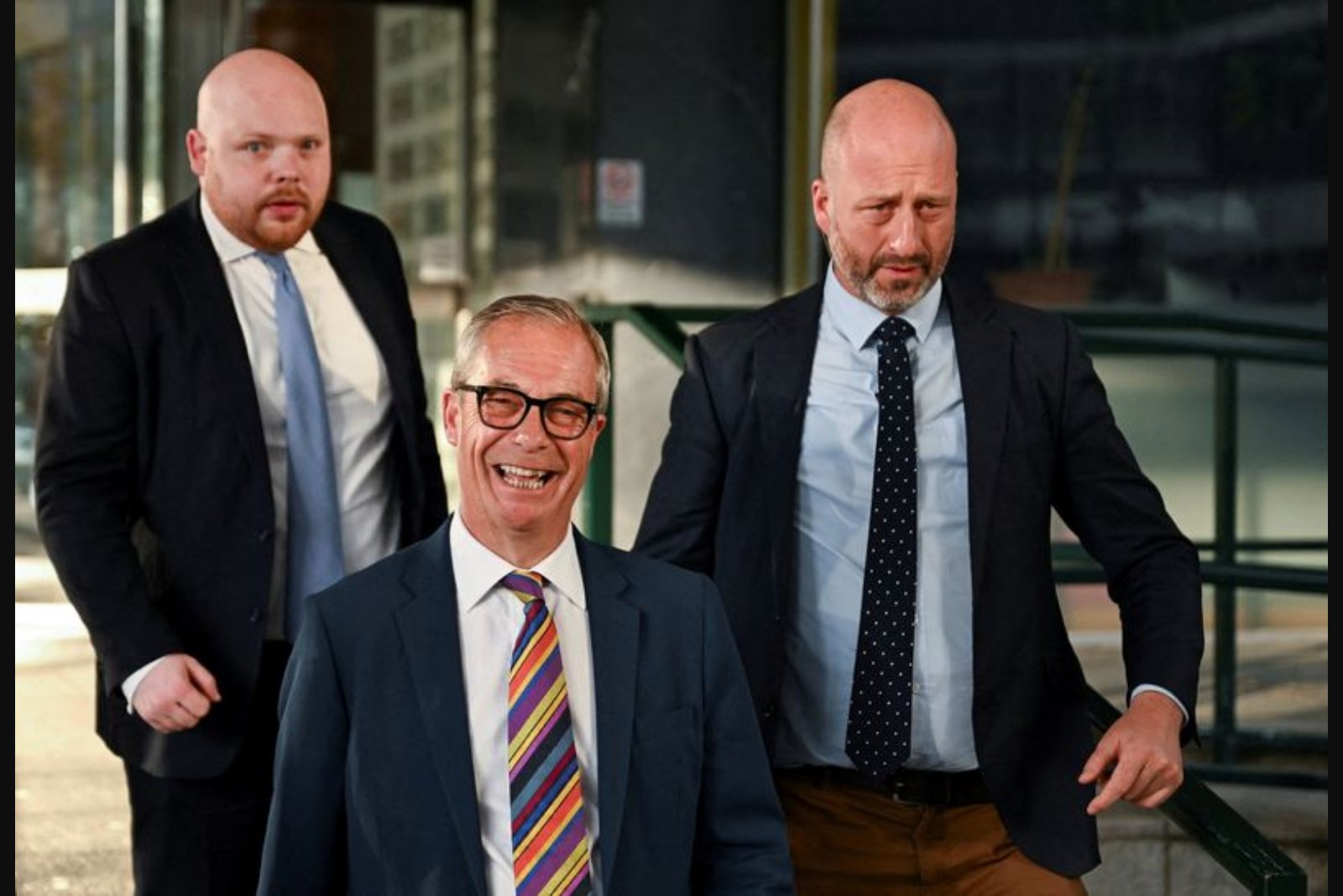
In multiple early-count areas Labour saw sharp declines in support, including traditionally safe seats in former industrial parts of central and northern England and in some London wards. The principal beneficiary in the English contests was Reform UK, the populist party associated with Nigel Farage, which recorded large gains in council representation.
What the early numbers show
Reform UK added 335 council seats in England in the early results, a rise that analysts and party figures said could consign it to a prominent role as a challenger across the United Kingdom. Observers reported that Reform’s advances position it to be a principal opposition force to pro-independence parties in Scotland and Wales, namely the Scottish National Party and Plaid Cymru.
Labour lost 247 council seats in the early returns, while the Conservative Party was down 127 seats. Most results, including the full outcomes for the Scottish and Welsh contests, were scheduled to be declared later on Friday.
Regional setbacks for Labour
Some of the most closely watched early results were particularly damaging for Labour. In Tameside, the council in Greater Manchester, Reform picked up all 14 seats Labour had been defending, leaving Labour without control for the first time in almost 50 years. In Wigan, a former mining town that Labour had controlled for over five decades, Reform won the 20 seats Labour had been defending. In Salford, Labour held only three of the 16 seats it had been defending.
Those outcomes prompted stark reactions within Labour ranks. Rebecca Long-Bailey, a Labour member of parliament representing Salford, described the results there as "soul-destroying." The scale of losses prompted comparisons to severe mid-term reversals from past decades; some pollsters projected that Labour could lose the most council seats in a single set of local elections since the mid-1990s era when the Conservative government then lost thousands of seats.
Political implications and internal pressure
The elections, covering contests for 136 local councils in England together with the devolved parliaments, are widely viewed as the most consequential public opinion test before the next general election, due in 2029. Some Labour lawmakers argued that a weak showing in Scotland, potential loss of power in Wales, and the failure to retain many of the roughly 2,500 council seats Labour was defending in England would increase pressure on Starmer to step aside or at minimum set a timetable for his departure.
Despite those internal concerns, a number of Starmer’s allies moved quickly to defend his position. Defence Minister John Healey warned that the last thing voters wanted was "the potential chaos of a leadership election," adding of Starmer: "I think he can still deliver, he can still turn it round." Starmer himself continued to assert that he would lead Labour into the next general election.
Fragmentation of the party system
Analysts interpreting the early returns pointed to the continued fragmentation of Britain’s longstanding two-party system into a more fragmented multi-party landscape. Vote shifts were visible both to the right, with Reform taking support away from Labour and the Conservatives, and to the left, where the Green Party picked up votes. Nationalist parties in Scotland and Wales were expected to perform strongly in their devolved contests.
"The picture has been pretty much as bad as anyone expected for Labour, or worse," said John Curtice, the pollster widely regarded as a leading authority on British public opinion. Nigel Farage described the changing electoral map as a "historic change in British politics" in response to the early returns.
Context on Starmer’s tenure
Keir Starmer, a former lawyer, won the 2024 national election with one of the largest parliamentary majorities in recent British history on a promise to restore stability after a period of political turbulence. His time in office, however, has been marked by a series of policy reversals, changes among senior advisers, and controversies tied to appointments.
One high-profile appointment that drew scrutiny was that of Peter Mandelson as Britain’s ambassador to the United States; Mandelson was later dismissed nine months into the role over links to the late convicted U.S. sex offender Jeffrey Epstein. Those and other developments have been cited by critics as evidence of difficulties in government management.
Labour has never successfully removed a sitting prime minister in its 125-year history, a fact leaders have invoked in defending Starmer’s continuation in office. At the same time, two figures often mentioned as potential successors - Greater Manchester Mayor Andy Burnham and former Deputy Prime Minister Angela Rayner - were described as not yet positioned to launch credible leadership challenges, and other potential rivals appeared reluctant to force a contest at this time.
Separately, Energy Minister Ed Miliband’s team publicly denied a report that he had urged Starmer to consider announcing a timetable for his departure.
Near-term outlook
With much of the counting still to be completed, parties and analysts awaited fuller tallies to assess whether the early trends would consolidate into lasting shifts in political alignment. The early results, nonetheless, provided a stark snapshot of the current political mood in parts of England and underscored the extent to which insurgent parties have altered the electoral landscape.
For markets and sectors that observe political risk and policy continuity closely, these returns add to an evolving picture of UK political dynamics, though the full implications will depend on later declarations and how parties respond to the outcomes in coming weeks.