
Stock Markets January 29, 2026

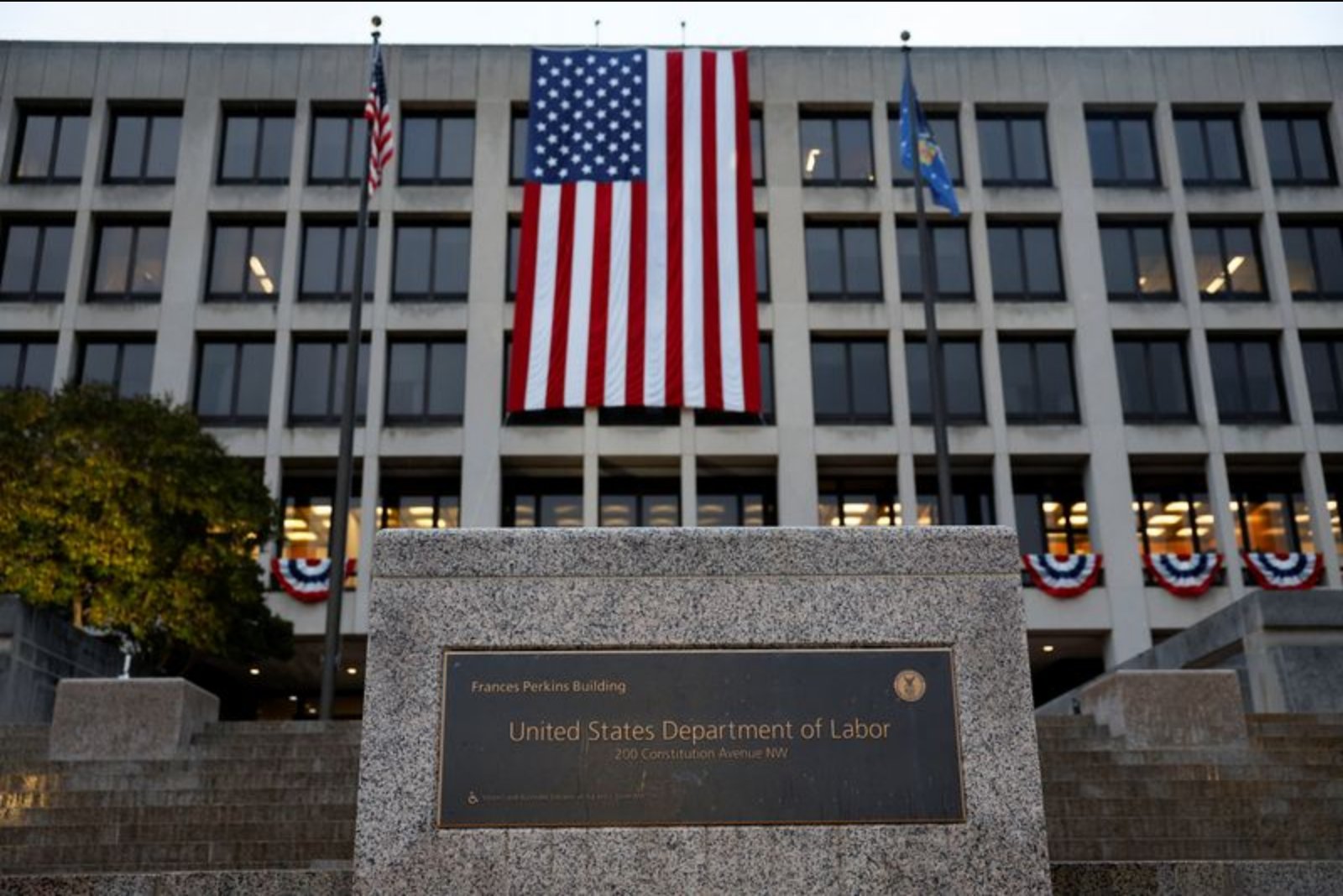
Labor Department unveils proposal to increase transparency in PBM fees

Proposed rule would force pharmacy benefit managers to disclose rebates, manufacturer payments and other fees to plan fiduciaries

By Jordan Park CVS CI UNH
Labor Department unveils proposal to increase transparency in PBM fees
CVS CI UNH

The U.S. Department of Labor’s Employee Benefits Security Administration proposed a regulation that would require pharmacy benefit managers to disclose the full range of fees and compensation they receive. The rule targets disclosures of rebates, manufacturer payments, compensation tied to differences between plan payments and pharmacy reimbursements, and funds recouped from pharmacies, while granting plan fiduciaries new audit rights and protections if PBMs fail to comply.

Key Points

  • The Department of Labor proposed a rule to require PBMs to disclose rebates, manufacturer payments, compensation tied to disparities between plan payments and pharmacy reimbursements, and funds recouped from pharmacies - relevant to the healthcare and insurance sectors.
  • Fiduciaries of employer-sponsored health plans would gain new audit rights and additional protections if PBMs fail to comply - impacting employers, benefit plan administrators, and the PBM industry.
  • PBMs named include units of CVS Health, Cigna and UnitedHealth, which negotiate drug prices and manage formularies for health plans - relevant to pharmaceutical supply chain and managed care markets.

The U.S. Department of Labor’s Employee Benefits Security Administration announced a proposed rule intended to improve transparency around compensation practices used by pharmacy benefit managers, or PBMs. The initiative is aimed at clarifying payment flows that affect employer-sponsored health plans that cover millions of Americans.

PBMs - which include units of CVS Health, Cigna and UnitedHealth - act as intermediaries that negotiate drug prices and manage formularies on behalf of health plans. Department officials say those entities have come under scrutiny for business practices and a lack of clear disclosure about the payments they receive.

According to the department, PBMs frequently do not reveal the full scope of the payments they collect, a gap that leaves plan fiduciaries unable to determine whether such compensation is reasonable for the plans they oversee. The proposed rule seeks to close that gap by specifying the categories of payments PBMs must disclose.

The regulation would require PBMs to make public rebates and other payments from drug manufacturers, as well as compensation that arises when plans pay more for a drug than the reimbursement provided to pharmacies. It would also cover funds that PBMs recoup from pharmacies. These disclosure requirements are designed to give plan fiduciaries a clearer picture of how PBMs are compensated.

"This action will allow employers to see the full extent of the fees charged by pharmacy benefit managers, enabling them to negotiate a better deal for themselves and American workers," said Deputy Secretary Keith Sonderling.

Beyond forcing broader disclosure, the proposed rule would grant fiduciaries enhanced authority to audit PBM disclosures. The department also said fiduciaries would receive additional protections in situations where PBMs do not comply with the new disclosure requirements.

The department positioned the proposal as part of a broader effort to make PBM business practices more transparent for the benefit of employer-sponsored plans and the workers they cover. The regulation is at the proposal stage and would need to go through the established rulemaking process before becoming final.

Risks

  • The proposed rule may lead to increased administrative and compliance burdens for PBMs and plan sponsors as disclosures and audit processes are implemented - affecting the operations of PBMs and employer-sponsored plans in the healthcare sector.
  • If PBMs do not comply with new disclosure requirements, unresolved noncompliance could leave fiduciaries without the protections the department intends to provide, creating uncertainty for plan sponsors - impacting employers and employees relying on employer-sponsored benefits.
  • The rule is at the proposal stage and could be modified or delayed through the rulemaking process, meaning timelines and final requirements remain uncertain - introducing regulatory uncertainty for PBMs and health plan administrators.

More from Stock Markets

SpaceX Acquires xAI, Eyes Solar-Powered Orbital AI Data Centers Feb 2, 2026 Nvidia Shares Slip After Report That OpenAI Is Seeking Alternative AI Chips Feb 2, 2026 U.S. Markets Close Higher as Industrials and Consumer Stocks Lead Gains Feb 2, 2026 Musk Moves to Combine SpaceX and xAI into a $1.25 Trillion Entity Ahead of Planned IPO Feb 2, 2026 OpenAI Seeks Alternatives to Some Nvidia Chips as Inference Needs Shift Feb 2, 2026