
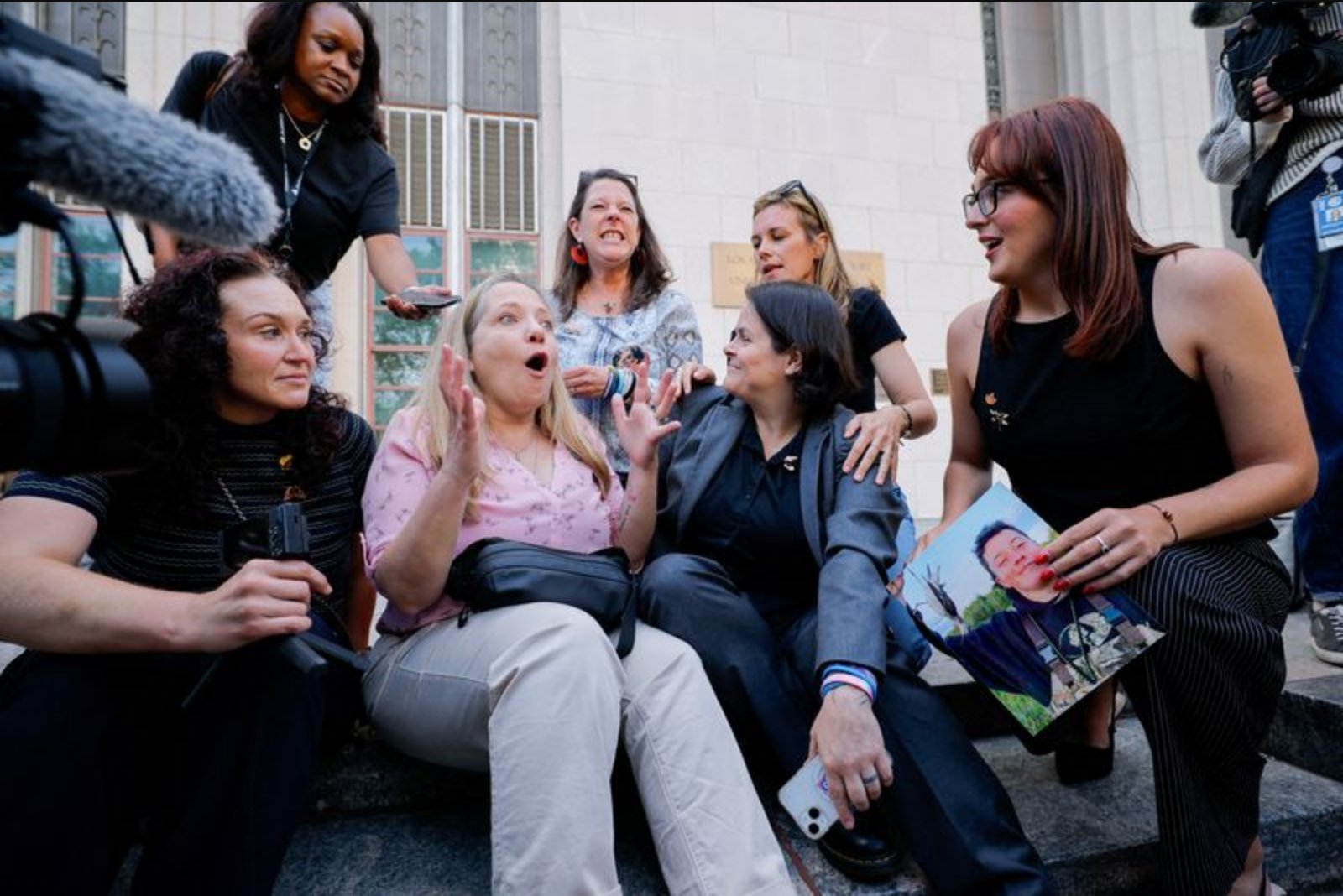
A Los Angeles jury on Wednesday determined that Alphabet’s Google and Meta Platforms are legally liable in a case brought by a 20-year-old plaintiff who linked her mental health struggles to use of the companies' social media products. The panel concluded both companies were negligent and failed to provide adequate warnings about the potential dangers of their platforms.
Damages and allocation
The jury awarded a total of $3 million in damages. Per the verdict, Meta is responsible for 70% of the award while Google is responsible for the remaining 30%.
Negligence findings against Meta
The jury found Meta negligent in the way Instagram was designed or operated. It also concluded that Meta did not adequately warn users about the risks associated with using Instagram. The panel determined Meta’s negligent conduct was a "substantial factor" contributing to the harm claimed by the plaintiff, who testified earlier in the proceedings that her Instagram use exacerbated her mental health difficulties.
Negligence findings against Google
Similarly, the jury found Google negligent in the design or operation of YouTube and concluded Google had failed to adequately warn users about the platform’s potential dangers. The jury also found Google’s conduct to be a "substantial factor" in the plaintiff’s harm. In court, the plaintiff said YouTube’s features contributed to her experiences of depression and anxiety.
Clear summary
- A Los Angeles jury found both Meta and Google legally liable in a youth social media addiction trial.
- The jury awarded $3 million in damages, allocating 70% to Meta and 30% to Google.
- The panel concluded both companies were negligent in platform design or operation and failed to adequately warn users; each company’s negligence was deemed a substantial factor in harming the 20-year-old plaintiff.
Key points
- Legal rulings: The jury explicitly found negligence and inadequate warning practices by both companies related to Instagram and YouTube.
- Financial consequence: A $3 million damages award was allocated between the firms - Meta bearing the larger share at 70% and Google 30%.
- Sectors potentially affected: Technology and social media platforms are at the center of the verdict, with implications for online services and product-design liability.
Risks and uncertainties
- Liability exposure - Companies operating social platforms face legal risk when courts find failures in design or warnings; this directly affects technology and social media service providers.
- Allocation of damages - How damages are apportioned between defendants introduces uncertainty for parties involved in multi-defendant litigation, which may affect legal and financial planning in the technology sector.
- Scope of proven harm - The jury’s findings were tied to this specific plaintiff and the evidence presented; the degree to which this verdict may apply to broader user bases was not determined in the verdict itself.
The jury’s decision spells out specific factual conclusions reached by the panel: that Meta’s handling of Instagram and Google’s handling of YouTube amounted to negligent design or operation, that neither company provided adequate warnings to users about platform risks, and that each company’s conduct was a substantial factor in the plaintiff’s alleged harm. The plaintiff had linked Instagram use to worsening mental health and testified that YouTube features contributed to her depression and anxiety.
No additional findings, remedies, or future procedures were provided in the jury’s verdict as described here. The facts above reflect the determinations recorded by the jury in this trial.