
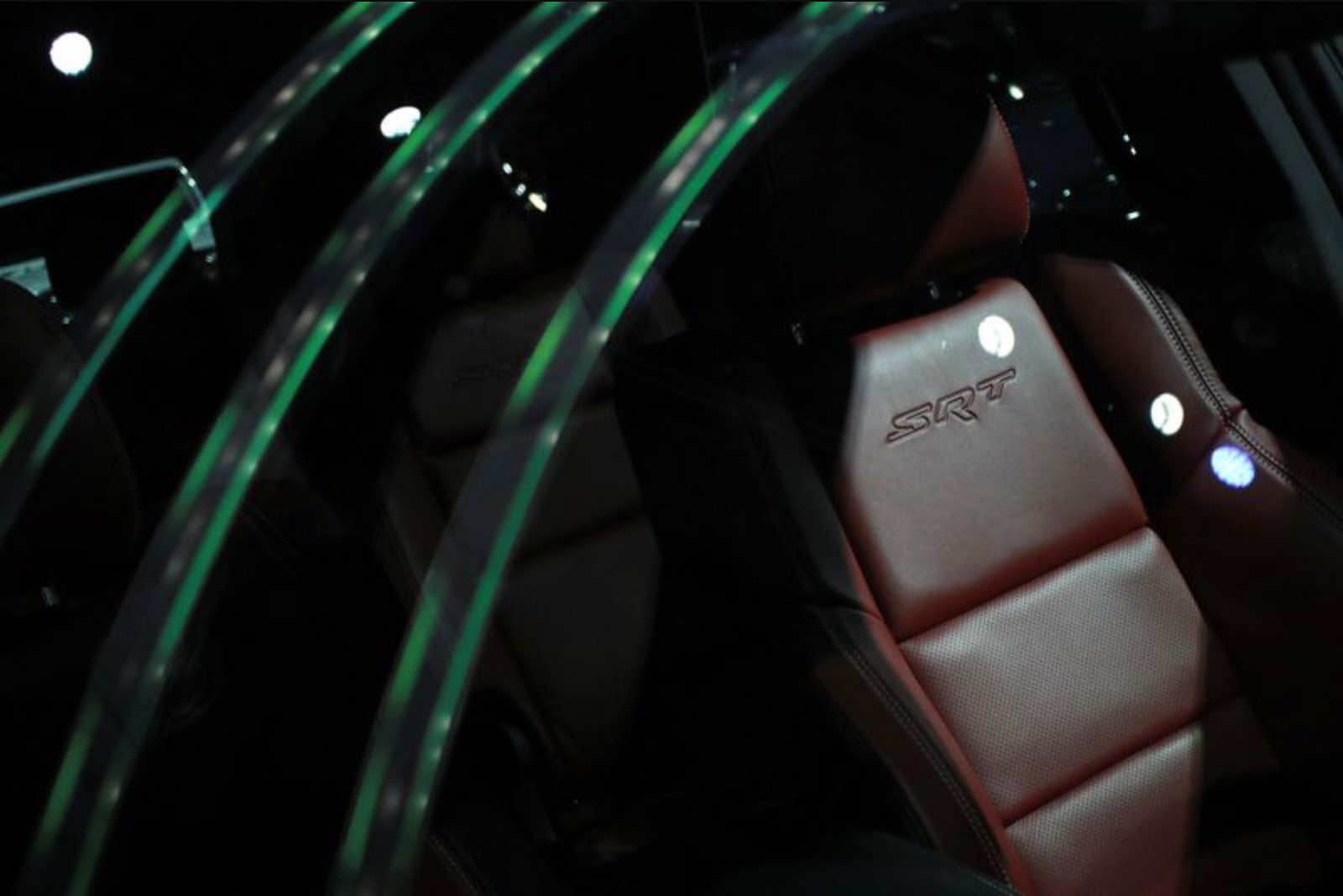
Owners of 2021 Dodge Durango SRT Hellcats who sought class-action relief claiming consumer fraud and false advertising suffered a legal setback on Thursday when a federal judge in Wilmington, Delaware rejected their claims against the parent of Dodge.
The plaintiffs alleged they paid premium prices for the 2021 Hellcats based on representations by Fiat Chrysler, then part of Stellantis, that production would stop after 3,000 units. In their complaint they said some buyers paid as much as $114,225 for their vehicles and that Dodge's decision to resume Hellcat production for 2023 diminished the SUVs' exclusivity and resale value. The owners described feeling "shock and anger" when the model was revived two years later.
U.S. District Judge Jennifer Hall concluded the plaintiffs did not provide evidence that Fiat Chrysler intended to renege on its production statements, nor that those statements amounted to an express warranty. The court also ruled that the automaker did not run afoul of state consumer fraud statutes in circumstances where the asserted "misrepresentation" concerned intended future actions and was accurate at the time it was made.
The complaint alleged violations of consumer protection laws in seven states: California, Florida, Illinois, New Jersey, New York, Texas and Virginia. The plaintiffs had brought the case as a proposed class action on behalf of owners of the 2021 Dodge Durango SRT Hellcat.
According to court filings cited in the case, buyers paid elevated prices for the 2021 Hellcats based on the promise of limited production. The plaintiffs argued the later production undermined the basis for those premium prices by reducing rarity and thereby harming resale value.
After the judge's ruling, neither lawyers for the plaintiffs nor attorneys for Fiat Chrysler immediately responded to requests for comment.
Context and legal reasoning
The court's decision turned on the absence of proof of an intent to break production promises and on the distinction between statements about future conduct that are true when made and actionable misrepresentations under state consumer fraud laws. Judge Hall found that the plaintiffs did not meet the burden required to show Fiat Chrysler had formed an intent to renege or that the marketing statements created express contractual warranties.
Implications
The ruling resolves this particular challenge to Dodge's handling of Hellcat production for now. The complaint covered multiple state statutes and rested on allegations about marketing representations, premium pricing, and impacts on resale value. The court's finding emphasizes the legal hurdles plaintiffs may face when alleging consumer fraud tied to promises about intended future corporate conduct.