
A federal judge in Manhattan told Live Nation, the parent company of Ticketmaster, to negotiate with a coalition of U.S. states that have accused the company of engaging in anticompetitive practices. The direction came the day after the U.S. Department of Justice settled its claims against the concert promoter and ticketing platform.
The DOJ's decision to resolve its portion of the case in the middle of the trial has left a group of states - including New York, California, Texas and Tennessee - preparing to assume the lead role the DOJ previously held. The judge, U.S. District Judge Arun Subramanian, declined at this stage to grant the states' request to end the trial.
Instead, the court ordered the parties to confer about a potential agreement. Some of the state plaintiffs are seeking triple damages on behalf of their residents, while Live Nation has publicly stated it would consider paying up to $280 million to settle with the 39 states plus Washington, D.C. that filed suit.
At the hearing, Live Nation executive Dan Wall told the court he doubted a deal with the remaining states could be reached quickly, saying: "The probability of us resolving this is about zero." The judge replied directly: "Not with that attitude."
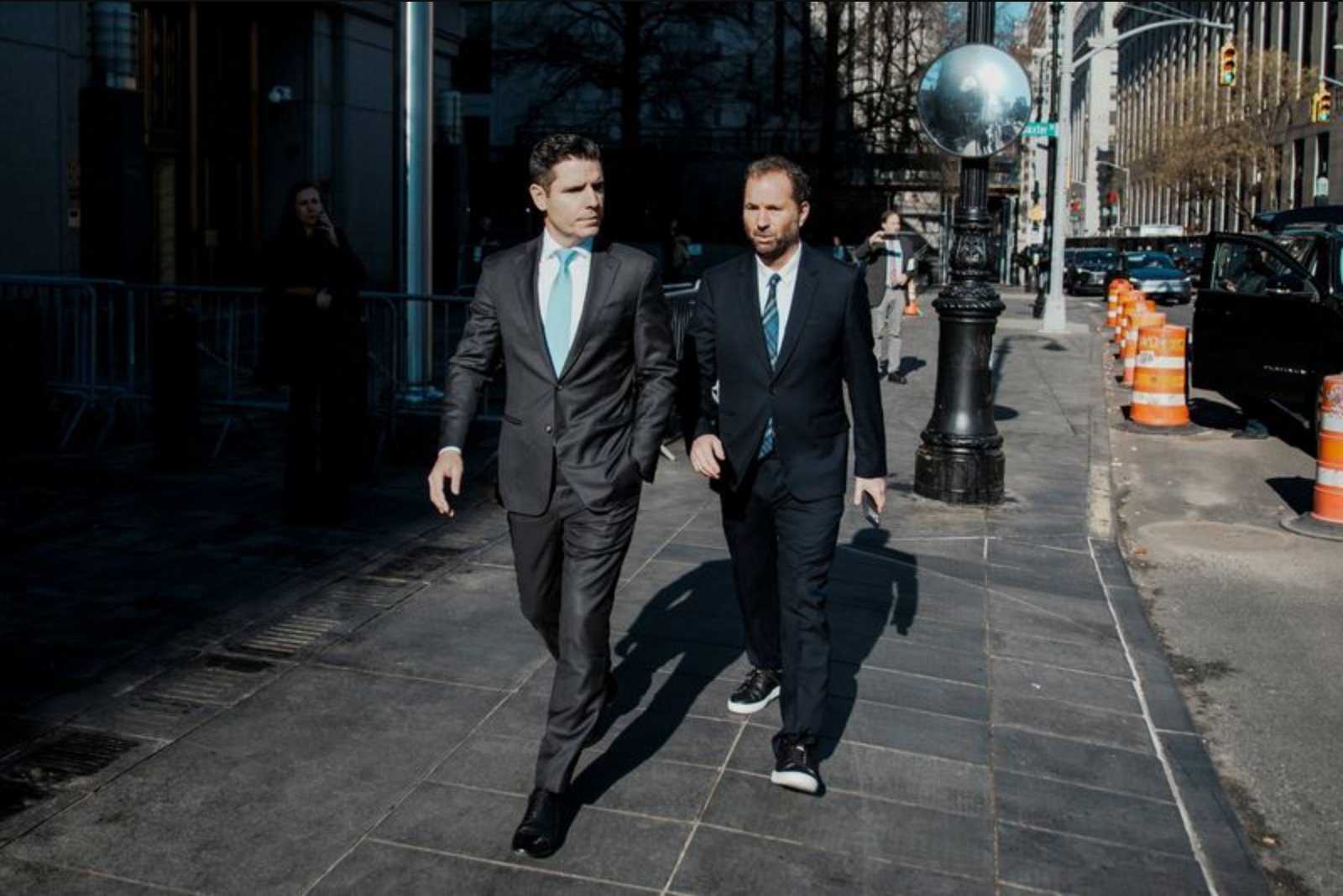
Live Nation Chief Executive Michael Rapino was present at the Monday hearing. The judge reproached the parties for not promptly informing the court that a settlement had been finalized the prior week. Rapino departed court shortly after the hearing concluded.
The DOJ's settlement contains specific behavioral commitments from Live Nation. Under the terms, the company agreed not to retaliate against venues that choose not to use Ticketmaster and to provide technology options that venues could use to distribute tickets through alternative platforms. A small number of Republican-led states have indicated they would join the DOJ's resolution.
With the DOJ stepping back after its settlement, the remaining state-led litigation continues to present open questions about damages, potential remedial measures, and whether the states will reach a separate accord with Live Nation. The court's order to negotiate leaves room for a resolution but does not remove the prospect that the case will proceed in court if talks fail.
Context and process
The unfolding sequence - a mid-trial DOJ settlement followed by a judicial directive to negotiate between the company and state plaintiffs - has reshaped who will drive the litigation going forward. The states are now tasked with determining next steps after the DOJ's departure from active prosecution, and the court has retained oversight while urging negotiations.