
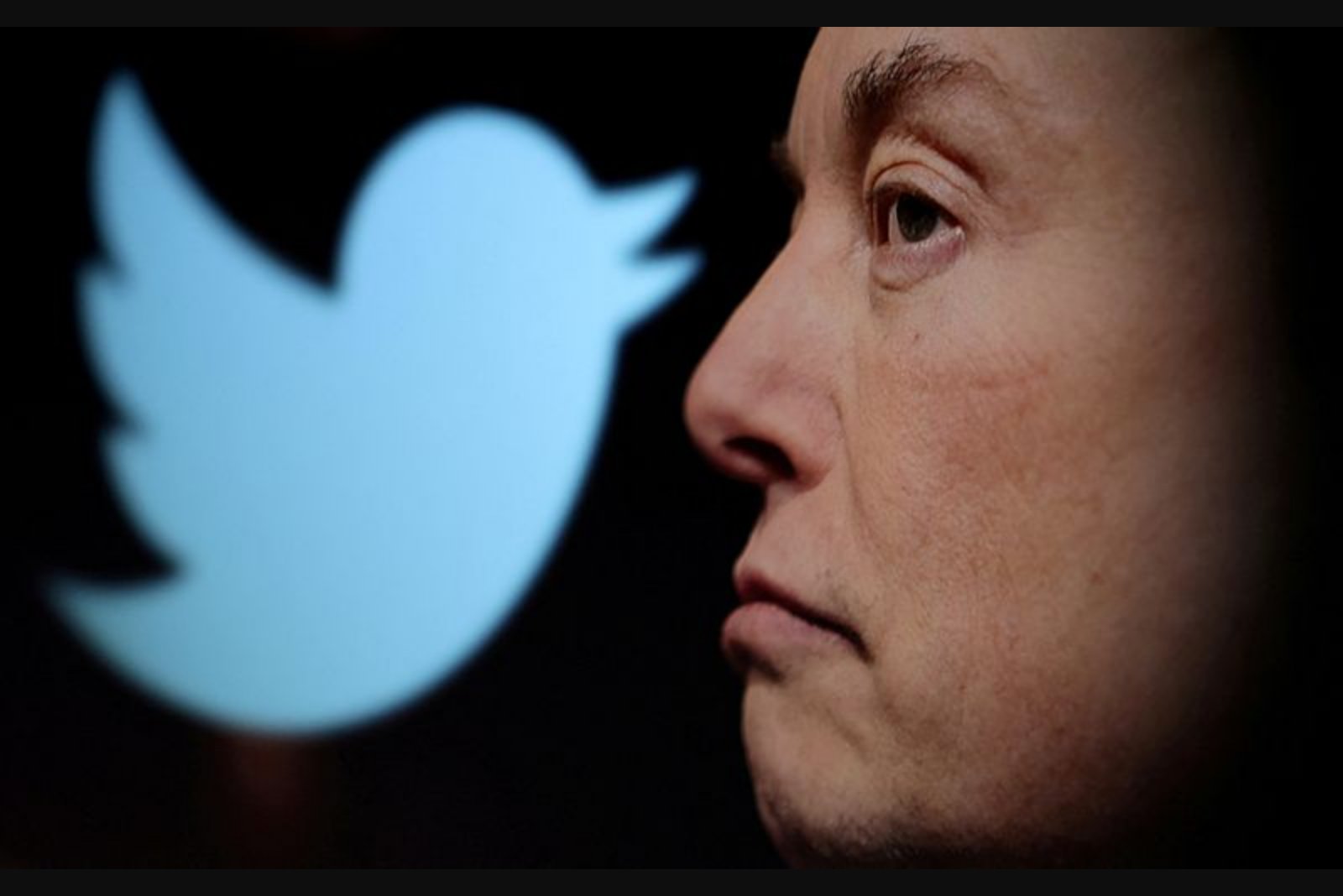
In a ruling issued Tuesday in Manhattan federal court, U.S. District Judge Andrew Carter allowed a group of former Twitter investors to move forward with a class action accusing Elon Musk of defrauding shareholders by delaying disclosure of his initial stake in the social media company.
The decision clears the way for the plaintiffs to seek recovery on behalf of a class rather than forcing each investor to pursue individual suits, a development that could increase potential damages exposure for the defendant.
The investors, led by the Oklahoma Firefighters Pension and Retirement System, allege that Musk failed to meet a March 24, 2022 deadline required by U.S. Securities and Exchange Commission rules to disclose when a shareholder crosses the 5% ownership threshold. According to the complaint, Musk waited 11 additional days before revealing a 9.2% stake in Twitter.
Plaintiffs contend the delayed disclosure allowed Musk to save in excess of $200 million and harmed other shareholders who sold Twitter shares at depressed prices during the 11-day period. The complaint cites two tweets dated March 26, 2022 in which Musk said he was "giving serious thought" to creating a rival to Twitter, and responded "Haha that would be sickkk" when another user suggested he buy the company and replace its bird logo with a doge image.
In opposing certification of the case as a class action, Musk argued that investors could not demonstrate they relied on the alleged misconduct. Judge Carter rejected that contention, finding that the presumption that the alleged misrepresentations affected Twitter's share price stood and that investors reasonably relied on Musk's silence during the relevant period.
The court also addressed the defendants' argument that damages could not be measured on a classwide basis, concluding that the difficulty in calculating classwide damages did not preclude certification.
The matter is legally and factually distinct from a separate federal case in San Francisco where a jury on March 20 found Musk liable for attempting to depress the takeover price by raising concerns about the prevalence of fake or spam accounts. Damages in that matter have not yet been decided, and an appeal by Musk is anticipated.
Separately, the U.S. Securities and Exchange Commission has sued Musk over his disclosure of the 5% Twitter stake. Both parties in that enforcement action reported on March 17 that settlement discussions were underway.
In background context included in the filings, Musk acquired Twitter for $44 billion in October 2022 and later rebranded the platform as X.
Requests for comment directed to Musk's legal team did not receive an immediate response.
Legal posture and next steps
With class certification granted, the case will proceed through class-related litigation phases, including potential motions on the scope of the class and further discovery. The certification decision does not resolve the merits of the fraud allegations but does reshape the procedural posture by allowing the plaintiffs to pursue claims collectively.