
Jefferies has revised its outlook for commodity inflation in 2026, increasing its forecast to 2.1% year-over-year - a 90 basis point upward adjustment from the firm's April estimate, according to its commodity tracker released Tuesday.
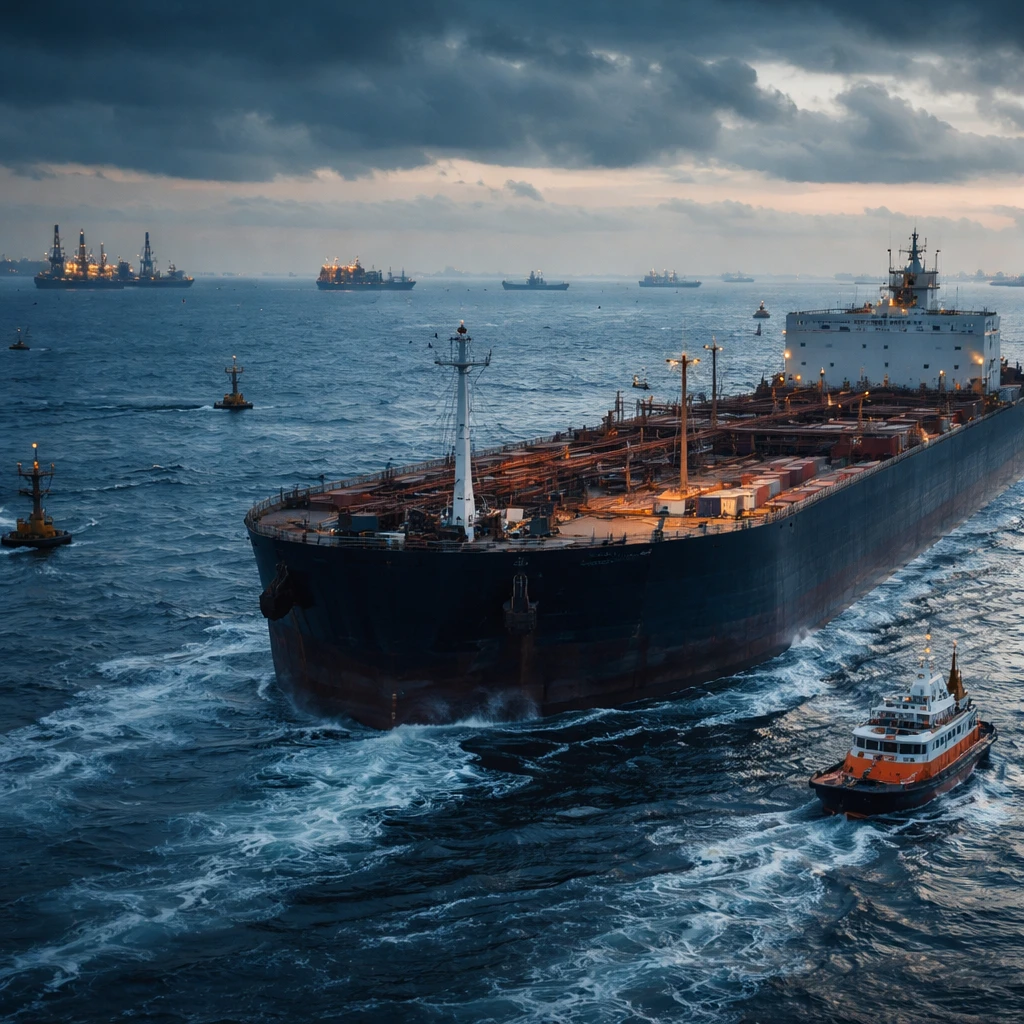
The firm attributes the change to ongoing interruptions tied to tensions in the Middle East. Jefferies notes that commercial traffic through the Strait of Hormuz is operating at roughly 5% of normal levels. That near-shutdown has pushed up costs across shipping-related components of commodity supply chains - including freight, rerouting and insurance - with effects observed across grains, oilseeds, fertilizers and packaging materials.
Negotiations aimed at a ceasefire deteriorated after the President rejected Iran's counterproposal on May 10, a development Jefferies cites as diminishing the prospects for a swift de-escalation.
Index and commodity highlights
Excluding eggs, cocoa and coffee - which Jefferies projects will see the steepest declines - the firm's broader index points to a 4.7% inflationary effect for 2026. For the second half of 2026, Jefferies expects 69% of the commodities it tracks to register year-over-year inflation.
- Nonfat dry milk: projected increase of 45%
- Soybean oil: projected increase of 40%
- Hard red wheat: projected increase of 34%
- Soft red wheat: projected increase of 22%
Looking beyond 2026, Jefferies' first-half 2027 outlook shows input costs rising 1.7% year-over-year, representing a 110 basis point upward revision from prior estimates.
Fertilizer trade and crop implications
Fertilizer markets face acute pressure from the Strait of Hormuz disruption. Jefferies estimates that about one-third of global seaborne fertilizer trade typically transits the Strait. With Northern Hemisphere planting windows beginning to close, sustained periods of elevated fertilizer prices raise the risk that application rates may be reduced, which in turn could affect yields for the 2026-27 crop year.
Jefferies cites reports from Egypt that expected wheat yields have already been reduced as a result of fertilizer supply interruptions.
Corporate cost signals
A range of packaged-food and consumer companies - including Mondelez, Nomad Foods, Hershey, Post Holdings, Kraft Heinz, Mizuho and Utz Brands - have flagged the conflict as a driver of higher energy, freight and procurement costs. Jefferies notes that, to date, most of these firms report limited direct operational impact, even as they face rising input and logistics expenses.
Jefferies' revisions reflect the firm's assessment that ongoing geopolitical tensions and the resulting shipping constraints will continue to lift costs across a broad array of commodity inputs, with particular implications for fertilizer availability, vegetable oils, dairy powders and wheat markets.