
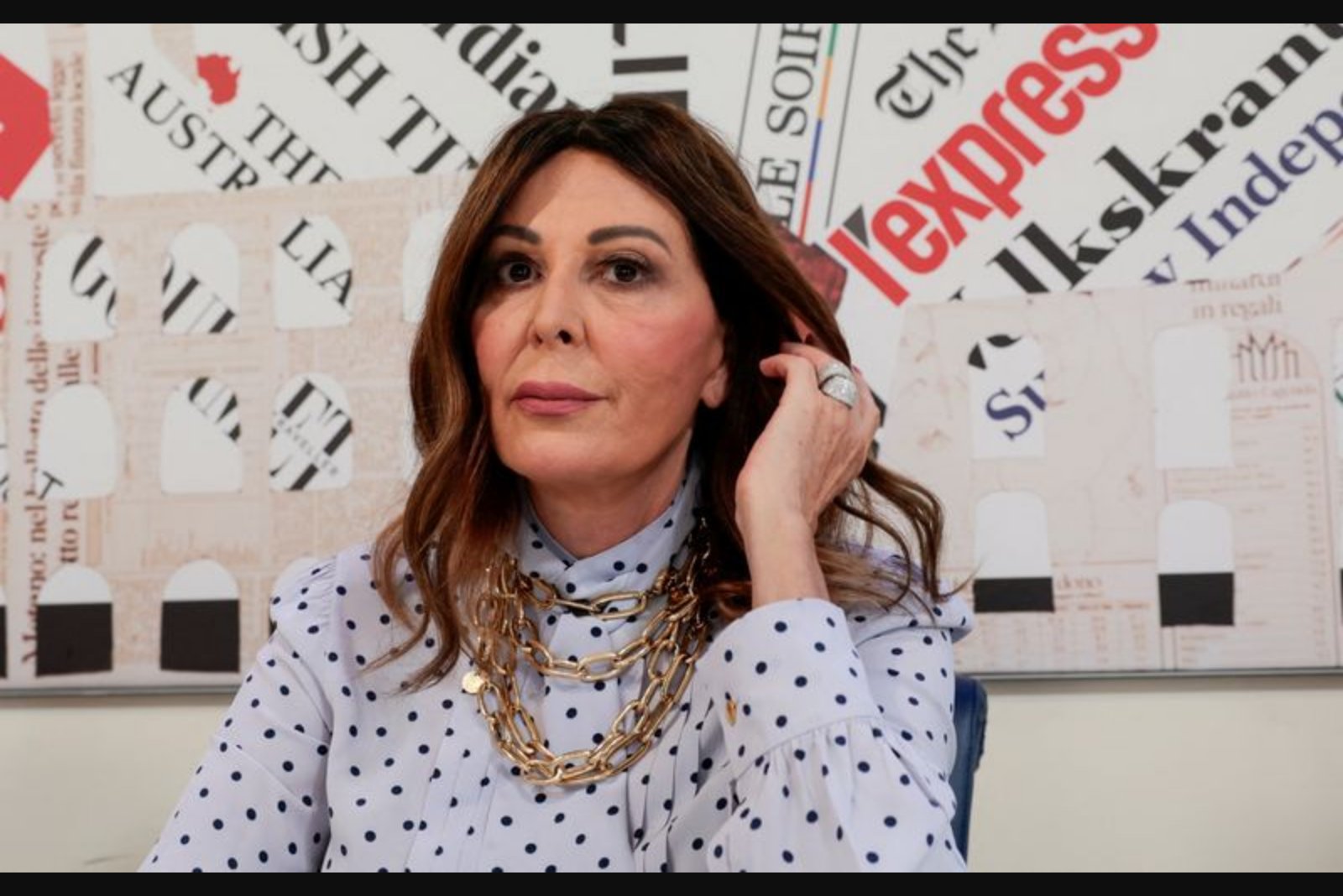
Italy’s Tourism Minister Daniela Santanche announced her resignation on Wednesday, responding to a direct request from Prime Minister Giorgia Meloni as the government seeks to regroup after a damaging referendum loss.
In a written statement, Santanche addressed Meloni by name: "Dear Giorgia, As you have officially requested, I hereby tender my resignation," she said, adding that she was complying "only in response to a request (from) the leader of my party." Santanche also stated that she should not be treated as a scapegoat for the referendum defeat "which was certainly not my fault," but that she had "no difficulty saying 'I obey' and doing what you ask of me."
The resignation comes after Meloni, reeling from the rejection of her judicial reforms in the March 22-23 referendum, asked Santanche to step down and on Tuesday accepted the resignations of two other officials who had been embroiled in scandals. The prime minister, quoted in press reports after the referendum, indicated she was unwilling to continue sheltering discredited allies.
Santanche, a member of Meloni's right-wing Brothers of Italy party, had initially resisted the unusually public request from the head of government. Under Italy's post-war constitution the prime minister cannot unilaterally dismiss ministers, which made the public demand notable for its rarity and political weight.
Known for an outspoken political style, Santanche has long been the subject of legal scrutiny. She is due to stand trial on false accounting charges connected to Visibilia, the publishing group she formerly owned. Separately, prosecutors are seeking her indictment over alleged benefit fraud at the same company during the COVID-19 pandemic. In addition, she is under investigation in two cases alleging fraudulent bankruptcy tied to an organic food group where she served as chairwoman.
On the legal front, Santanche emphasised that "to date, my criminal record is spotless," noting that none of the cases against her have resulted in a conviction.
Her departure followed the submission of a no-confidence motion by the centre-left opposition, which would have been debated in parliament the following week and posed a potential embarrassment for Meloni's leadership. Lawmakers in the lower house broke into applause after news of Santanche's resignation, and the main opposition Democratic Party welcomed the development while saying the exit should have occurred earlier.
Context and immediate effects
Santanche's resignation is part of a broader effort by the prime minister to reassert control and shore up the government after the referendum defeat. The moves included extracting the resignations of two other scandal-hit officials and publicly pressing Santanche to leave when she had been resistant to prior calls for her to step aside.
The political dynamics remain fluid: a centre-left no-confidence motion was on the horizon, and the timing of Santanche's exit reduced the likelihood of an immediate parliamentary showdown over her position.