
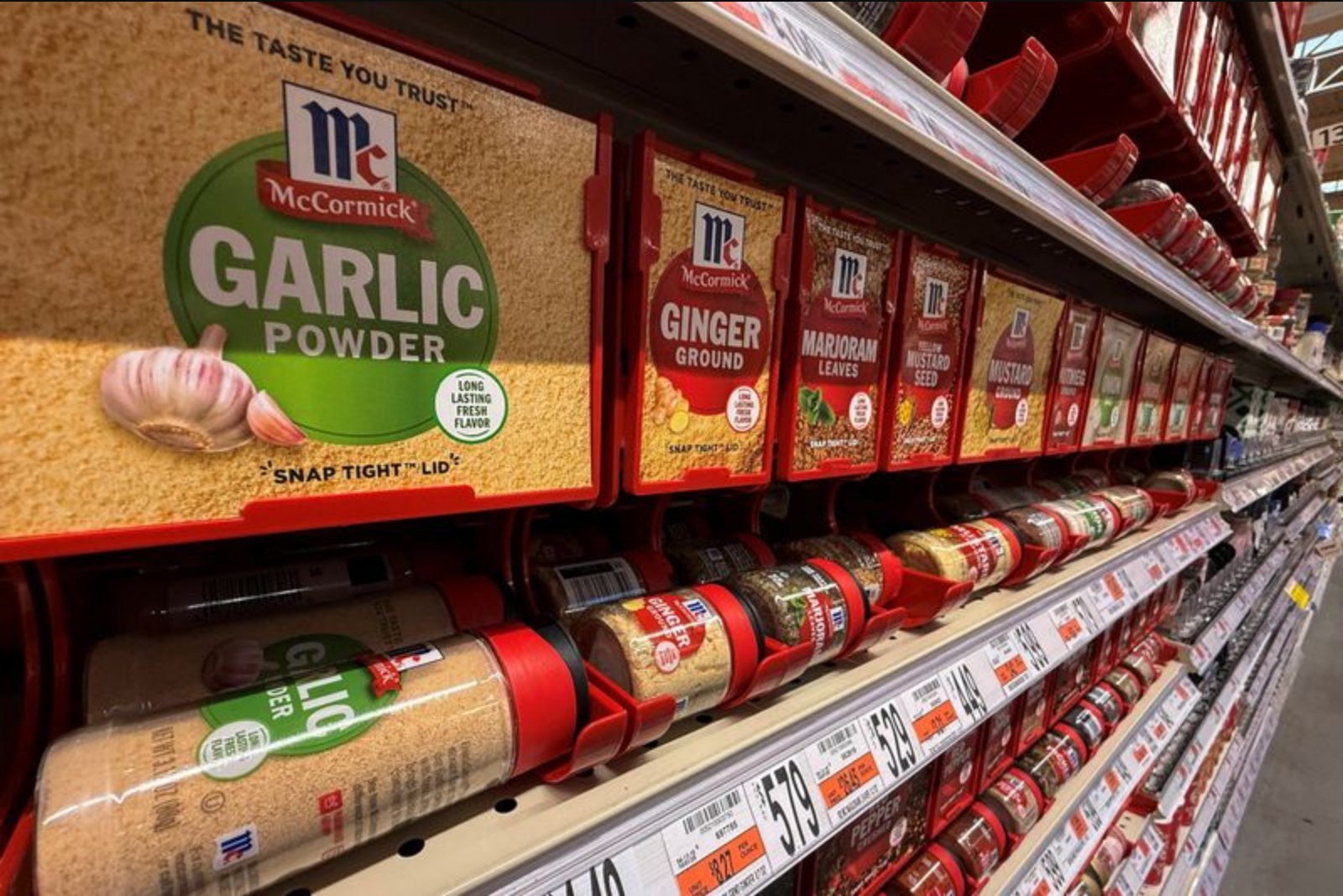
Uncertainty around how sustainability commitments will be preserved after the planned combination of Unilever’s food unit with U.S.-based McCormick is prompting some investors to press the companies for reassurances.
The transaction, announced in March and valued at $65 billion, will merge Unilever’s food operations with McCormick’s business to form a much larger global food company that brings together brands such as Hellmann’s mayonnaise and Cholula hot sauce. The move will place McCormick in charge of a business nearly twice its current size and extend the spice maker’s exposure to a more complex, agriculture-dependent supply chain that includes small-scale farming and commodity sourcing.
Investor demands for sustained standards
Some shareholders say they want explicit confirmation that the combined entity will adopt Unilever’s established practices on deforestation and other environmental risks. Vemund Olsen, senior analyst at Norwegian asset manager Storebrand and a shareholder in both companies, said investors will be "seeking assurances about the intention of the combined company to uphold and build upon best practice with regard to deforestation-free sourcing of commodities."
Olsen outlined elements of those practices as not sourcing from deforested or converted land anywhere in the supply chain, maintaining a public complaints mechanism, and ensuring full traceability of commodities to plantations.
A representative for Frankfurt-based Union Investment, which holds positions in both firms, said it will seek transparency on "how it integrates sustainable practices moving forward."
Regulatory and disclosure differences
How sustainability commitments are disclosed could diverge after the deal closes because McCormick, headquartered in Hunt Valley, Maryland, is subject to U.S. rules that do not require the same level of detailed sustainability reporting expected of Unilever in Europe. Companies with substantial European operations are generally expected to comply with EU-level sustainability reporting directives, but that compliance may take several years to be fully implemented.
That creates a transition window in which the level of disclosure may depend largely on the public commitments made by the combined company rather than identical regulatory requirements.
Shareholder risk and precedent
Some shareholder advocates warn there is precedent for companies stepping back from sustainability commitments after corporate restructurings. Cailin Dendas, environmental health program senior coordinator at As You Sow, said that if the merged firm "decide to turn their backs (on sustainability), this could create significant risk for shareholders and the new entity." She pointed to the separation of Kellanova from Kellogg in 2023, which she said saw Kellanova drop pesticide commitments and other sustainability goals.
The article also noted that Mars, which acquired Kellanova last year, did not respond to a request for comment.
Governance influence and transition plans
Unilever will become the largest investor in the new company, holding a near 10 percent stake and securing four directors on the merged company’s board. Nevertheless, smaller shareholders are likely to have limited capacity to directly influence board decisions.
On whether Unilever will use its stake to ensure McCormick adheres to Unilever’s standards, a company spokesperson said: "We are working closely with McCormick ahead of the completion of the transaction to support the transition of our Foods-related sustainability programmes and commitments."
Sustainability profile and operational challenges
Hannah Schalk, an analyst at ESG ratings firm Sustainalytics, classifies McCormick as "medium-risk" on sustainability. Schalk highlighted that McCormick’s sustainability report does not contain an explicit, company-wide no-deforestation pledge and that the company provides less detail on traceability, auditing, and certification than some peers. She said scaling sustainability capabilities will be a particular challenge as McCormick’s supply chain expands after the merger.
McCormick has acknowledged in its reporting that meeting its indirect emissions and sourcing targets depends partly on enhancing data collection and engagement across its supplier base. In written comments, McCormick said: "While we cannot comment on future targets at this time, we are already well underway on a comprehensive strategic update process for our sustainability program, and we’ll share more details on our approach as the process unfolds."
Investor tools and valuation interest
Some market participants will be watching valuation closely as the integration proceeds. Promotional material referenced within market commentary asks whether MKC is a bargain and points investors to a fair value calculator that combines multiple industry valuation models to evaluate MKC and other stocks.
Any formal changes to sustainability targets, disclosure practices, or sourcing policies will be material to shareholders and to sectors exposed to agricultural commodities and consumer foods, and will likely influence investor engagement and regulatory scrutiny during the transition period.