
Overview
The Baloch Liberation Army (BLA), a prohibited separatist organisation, recently claimed responsibility for a series of coordinated gun and bomb attacks that resulted in the deaths of dozens of civilians and security personnel and led to one of the deadliest security operations in Balochistan in years. The BLA is recognised as the strongest among multiple insurgent groups active in the province, a mineral-rich part of Pakistan that borders Afghanistan and Iran and hosts Chinese investments such as the Gwadar deep water port and other projects.
What the BLA seeks
The BLA advocates for full independence for Balochistan, the southwestern Pakistani province that borders Afghanistan to the north and Iran to the west. It is the largest of several ethnically based insurgent movements that have fought the federal government for decades. The group frames its campaign around the claim that Islamabad unfairly exploits Balochistan's substantial gas and mineral endowments. The BLA insists those natural resources belong to the people of Balochistan and rejects federal control over both resource extraction and security arrangements.
Geography and safe havens
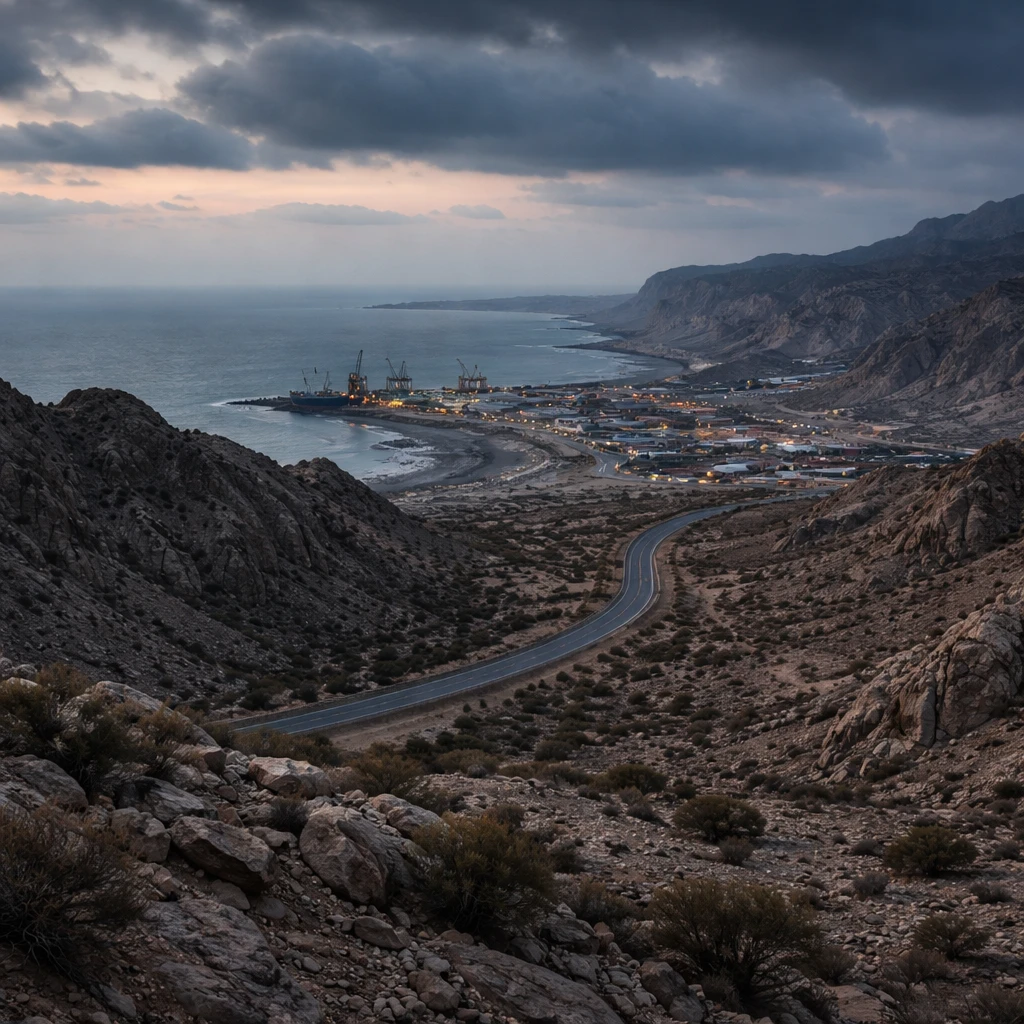
Balochistan's mountainous border areas are cited as providing sanctuary and training ground for both Baloch insurgents and Islamist militants. Those terrain features have been central to the group's ability to stage attacks and to persist as an organised armed movement against state forces.
An upward trend in lethality and coordination
Once characterised as a low-intensity insurgency, the BLA has increased the frequency, coordination and lethality of its operations in recent years. The group surprised Pakistan's security establishment in 2022 when it mounted attacks on army and navy bases. In August 2024, militants executed coordinated assaults across Balochistan, including highway attacks in which passengers were removed from buses and shot after identity checks. In March 2025, assailants opened fire on the Jaffar Express passenger train after sabotaging railway tracks, briefly taking hostages and precipitating a large-scale security operation.
The BLA has also used women as suicide bombers, including in an attack that targeted Chinese nationals in Karachi. The organisation is listed as a foreign terrorist organisation by the United States.
Pakistan has accused India and Afghanistan of providing backing to the militants; both neighbouring countries deny those allegations.
Primary targets
The BLA frequently directs its operations against infrastructure and security forces within Balochistan, but it has carried out attacks outside the province as well, most notably in Karachi. The group explicitly targets Pakistan's military and Chinese interests, particularly the strategically located Gwadar port on the Arabian Sea, accusing Beijing of assisting Islamabad in the exploitation of Balochistan's resources.
Militants linked to the BLA have killed Chinese citizens working in the region and attacked Chinese diplomatic and cultural facilities, including a consulate and a language centre in Karachi. The group has also attacked civilians, including migrant labourers from other provinces - an escalation officials say signals a widening of tactics beyond military and infrastructure targets.
Separately, the BLA factored into tit-for-tat strikes between Iran and Pakistan last year over alleged militant bases on each other's territory, an episode that brought the two neighbours close to open conflict.
Why Balochistan matters
Balochistan is a pivotal element of China's $65 billion investment in the China-Pakistan Economic Corridor, a component of Beijing's Belt and Road initiative. The province hosts significant mining projects, including Reko Diq, operated by Barrick Gold (ABX.TO) and considered one of the world's largest gold and copper deposits. Chinese companies also operate a gold and copper mine in the province.
The protracted insurgency has sustained instability across a province of roughly 15 million people, complicating Islamabad's plans to develop and access untapped energy and mineral resources. Balochistan is Pakistan's largest province by area and the smallest by population. Its long Arabian Sea coastline sits not far from the Strait of Hormuz, an important regional oil shipping lane.
Domestic political context and protests
Hundreds of Baloch activists, many of them women, have held protests in Islamabad and within Balochistan complaining of alleged abuses by security forces. Those accusations have been rejected by the government.
Implications
The BLA's recent claim of responsibility for the coordinated attacks underscores the group's capacity to carry out violent, highly organised operations that affect civilians, security personnel and foreign interests. The attacks and the ensuing security response highlight ongoing challenges to stabilising Balochistan and safeguarding major projects and investments located there.