
Armed with a smartphone, 9-year-old Anza Zafran Utama in Bogor alternates between being a dinosaur and a shooter depending on his mood as he plays on Roblox, a U.S. platform where children build and inhabit immersive 3-D worlds. From Saturday, under-16s are set to face restrictions on that platform as Indonesia begins enforcing new rules that designate Roblox and other services as high risk for young users.
"I like to joke around with my friends there," Anza said of Roblox. His mother, Andina Dwi, 32, who supports the new controls, said he can spend as long as four hours on the platform after school, rising only to charge his phone. "When he plays Roblox he forgets time," she said.
The government frames the curbs as a public-health and safety measure intended to reduce cyberbullying and addictive usage among minors. The restrictions come amid a global conversation over youth exposure to social platforms and follow high-profile actions elsewhere that raised concerns about potential harms to young people.
Unclear implementation as deadline approaches
With the enforcement date imminent, parents and youngsters say they do not know how the policy will be applied in practice - whether accounts of under-16s will be automatically deactivated, or whether platforms will require a verification process to confirm users' ages.
"The policy is all concepts, but the technical guidance is still lacking," said Ika Idris, a social media expert at Monash University and a mother of two children aged 11 and 16 who use Roblox. She described the policy as rushed and said she was unsure what would take place on Saturday.
Indonesia’s communications and digital minister, Meutya Hafid, said earlier this month that the deactivation of current accounts belonging to under-16s would happen gradually beginning Saturday. She did not provide detailed operational steps and the timeline and criteria for account deactivation remain unspecified.
Requests for further comment to officials at the ministry about the mechanics of the deactivation received no response.
Regulatory obligations for high-risk platforms
A ministerial decree published this week sets out obligations for platforms deemed high risk. Those platforms must adjust their minimum age, deactivate accounts of underage users, and conduct independent assessments of the risks they pose. The ministry noted that platforms meet the high-risk threshold if they allow possible contact with strangers, have addictive qualities, or pose psychological risks.
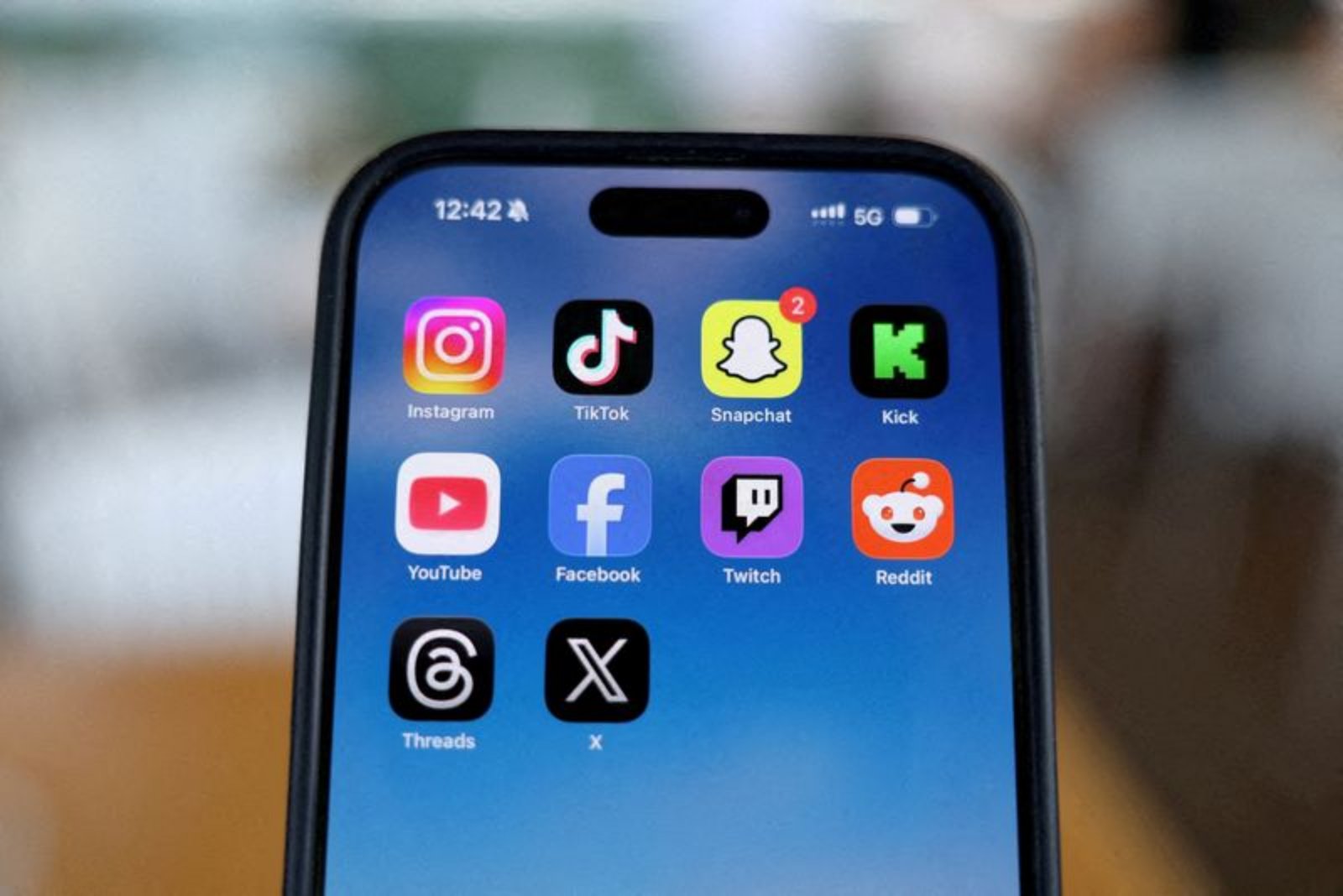
Indonesia has identified several major services as high risk, including X, Meta’s Facebook and Instagram, YouTube, TikTok owned by China’s ByteDance, and Roblox.
Platforms signal compliance steps, but details are thin
Roblox said it would introduce content and communications controls for Indonesian players under 16 to comply with the new social media rules, but it did not detail the specific controls it would implement.
Berni Moestafa, Meta’s head of public policy for Indonesia and the Philippines, said the company is "committed to protecting teens" and has already rolled out "Teen Accounts" for Instagram and Facebook in Indonesia. Moestafa said those accounts include "built-in protections to address parents’ top concerns, including who their teens are talking to online, the content they’re seeing and whether their time is being well spent, by default."
TikTok did not provide comment when asked about measures it has taken. X said Indonesia’s minimum age rule "prevents age-restricted social media platforms, including X, from letting people under 16 create or keep an account. It’s not our choice - it’s what Indonesian law requires."
Google said it had placed safeguards for children and welcomed Indonesia’s "risk-based self assessment approach which incentivizes built-in protections and age-appropriate experiences for youth, as opposed to a blanket ban." Google added that YouTube is often used for educational purposes and warned that removing accounts of under-16s risked "creating an educational divide" in a country of 280 million people.
Enforcement and skepticism
Indonesia announced penalties last year for platforms that fail to meet the protections, including sanctions and, in the most serious cases, a block on the service. Despite those measures, experts and analysts remain sceptical about how effective the new rules will be in practice.
"There are concerns this won’t be effective," said Wahyudi Djafar, a tech analyst and director of the think-tank Catalyst Policy Works. "The implementation is complicated." He and others note that children may find ways around restrictions if they are applied without robust verification and enforcement mechanisms.
Access and social effects noted by families
Some children expressed worry at the prospect of losing access. Ten-year-old Andaru Brahma Satria, when asked about potentially losing access to YouTube, said, "I don’t watch anything strange ... just normal things." He added that he felt "just a little bit sad."
Parents and platforms are balancing concerns about safety and wellbeing with worries about access to educational content. Google’s comment about a potential educational divide highlights that tension in a populous country where internet use is widespread.
Internet reach and youth usage
Data cited in the discussion show that internet penetration in Indonesia reached 80.66% in 2025, according to a survey by the Indonesia Internet Service Providers’ Association. The survey also reported that penetration was as high as 87.8% among "Gen Z" users aged 13 to 28.
The rapid and broad reach of internet services across age groups is a central factor in the regulatory debate, influencing both the practical implementation of account restrictions and concerns about where children will turn for content and social interaction.
As Saturday approaches, the central questions for families, platforms and regulators remain operational: how will platforms verify ages, what criteria will govern gradual deactivations, and how will regulators monitor compliance? Until ministries publish technical guidance or platforms disclose detailed mechanisms, many users and parents say they will be watching for the first signs of enforcement on Saturday and the weeks that follow.