
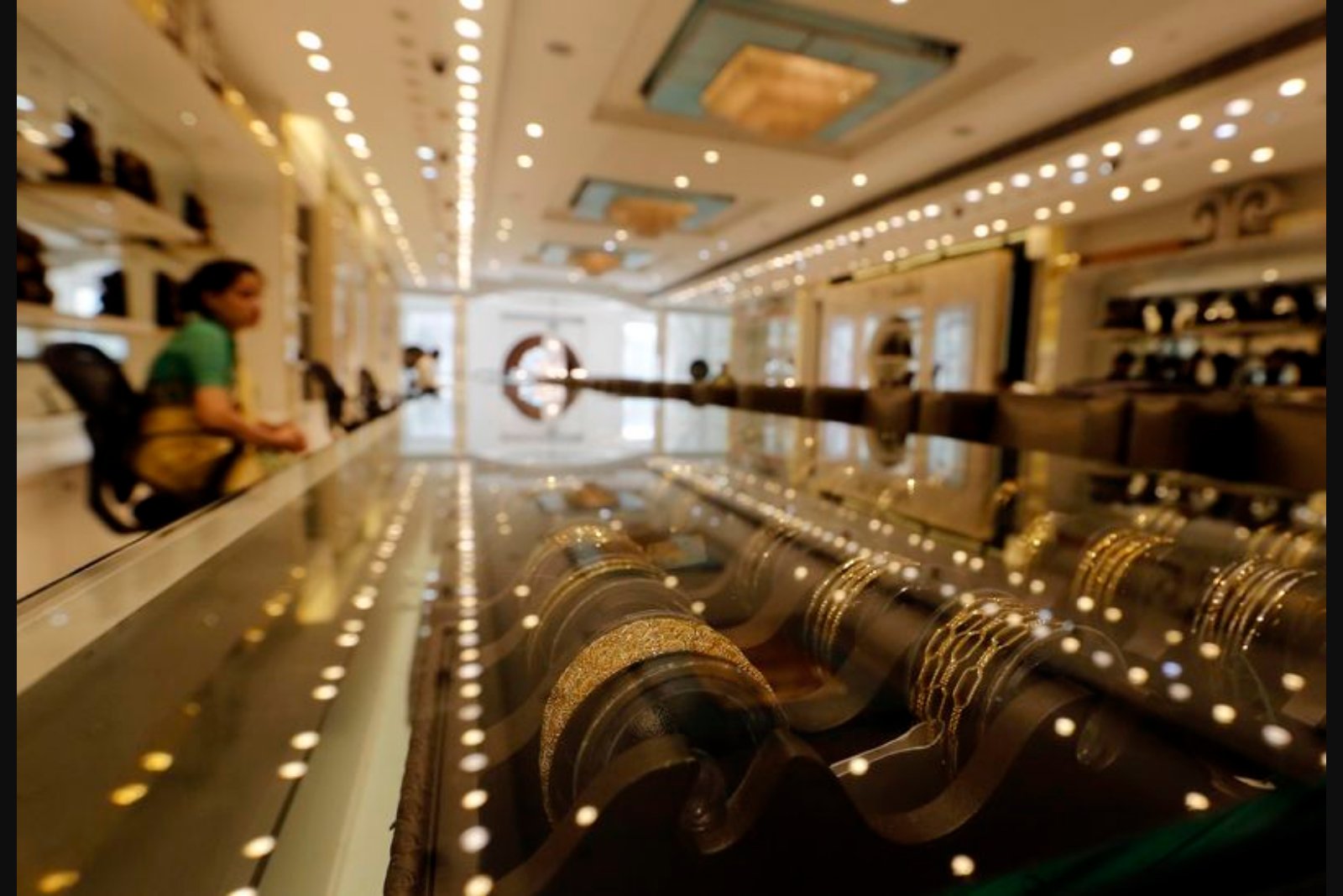
India's imports of gold and silver climbed to unprecedented values last year, prompting renewed scrutiny from government officials worried about the pressure the purchases place on the country's trade balance and currency. Gold import payments rose 1.6% year-on-year to $58.9 billion in 2025, while the value of silver imports expanded 44% to $9.2 billion as both metals reached record price levels.
Why gold and silver are in focus
India stands among the largest global consumers of these precious metals - it is the world's second-largest consumer of gold and the largest market for silver. The country relies almost entirely on imports to meet domestic gold demand and sources over 80% of the silver it consumes from overseas. That heavy reliance means a sizeable share of foreign exchange reserves is channelled into bullion purchases; last year, spending on gold and silver amounted to nearly a tenth of India's total foreign exchange holdings.
With prices continuing to climb into 2026, officials expect the import bill to rise further. The surge in import values has been cited as a contributor to a widening trade deficit and has put downward pressure on the rupee - which hit a record low in the month the data were reported.
Policymakers distinguish between silver and gold based on end uses. Silver has diverse industrial applications - from solar panels to electronics - while gold is predominantly used for jewellery and as an investment vehicle. The government treats much of gold's domestic demand as non-essential and has used import-duty adjustments in the past to try to moderate purchases.
Speculation over another duty increase
Market participants are now speculating that New Delhi could raise import duties on gold and silver in the near term. The logic is straightforward: even if physical volumes stay stable, sharp price gains translate into a much larger import bill and weigh on the trade balance and currency. Officials in trade and industry circles have flagged that these risks could prompt tariff action within weeks.
History provides a precedent: in 2012 and 2013 tariff hikes were used as a tool to stabilise a rapidly weakening rupee. More recently, India reversed duty reductions enacted in 2024 - when import duties were cut to 6% from 15% with the aim of curbing smuggling - and traders now expect the government might reinstate higher levies following the recent currency depreciation.
Markets are already pricing in the possibility of higher duties: gold and silver trade at a premium to global benchmarks as participants build a potential tariff adjustment into domestic prices.
Why demand has not collapsed despite soaring prices
Although gold retail for jewellery historically accounted for the bulk of domestic consumption - more than three-fourths until 2023 - the pattern of demand has shifted. International gold prices climbed 98% from the start of 2025, a rise that reduced jewellery buying. However, overall consumption did not decline because investment demand rose sharply.
Indian buyers have increasingly purchased physical coins and bars, while an expanding number have also channelled savings into exchange-traded funds (ETFs). ETF inflows surged 283% in 2025 from the previous year, reaching a record 429.6 billion rupees, equivalent to $4.69 billion. As investment purchases rose, the portion of India's gold consumption attributable to investment exceeded 40% in 2025 and is expected to grow further into 2026.
Gold and silver ETFs are described as investment funds traded on stock exchanges with the funds backed by physical bars stored in secure vaults. The shift to ETFs and physical investment instruments helps explain why total demand has not slumped even as jewellery purchases eased under the weight of higher prices.
Will higher duties work?
India has repeatedly tried to curb gold imports with duty changes, but past increases have had limited effect on overall demand. When the government raised the import tax to 10% in August 2013 from 2%, consumption continued at comparable levels. Over the longer term, domestic prices for gold have risen from roughly 8,000 rupees per 10 grams in early 2006 to around 162,000 rupees in the present period, yet annual demand has not fallen materially.
Analysts and traders note that a further duty hike of 4 to 6 percentage points may be unlikely to significantly deter buyers, who absorbed a 76.5% jump in prices during 2025. That said, higher import levies could alter the return profile for investors and may encourage an uptick in smuggling activity as market participants seek ways to avoid additional costs.
ETF inflows into gold have remained robust in recent months and are expected to stay firm as investors look to bullion amid weak returns elsewhere in equity markets. A sharp decline in bullion prices could dampen investment demand, but that outcome could also prompt a rebound in jewellery purchases as buyers waiting for price corrections re-enter the market.
Why silver imports are also worrying authorities
Silver has outpaced gold in price gains, intensifying the import bill for the metal. While industrial use previously drove most silver demand, investment interest has become an increasingly important component of imports in recent months. Silver ETFs attracted 234.7 billion rupees in inflows in 2025, up from 85.69 billion rupees a year earlier, indicating a sharp rise in investor appetite.
The growing popularity of silver ETFs suggests that if the price rally continues, imports tied to investment demand could climb further, adding to the pressure on the trade account and the currency that policymakers are monitoring.
Summary - India saw record-valued imports of gold and silver in 2025, driven by steep price gains and rising investor demand via physical purchases and ETFs. Officials worry the larger import bill is widening the trade deficit and pressuring the rupee, fuelling speculation of imminent increases in import duties.