
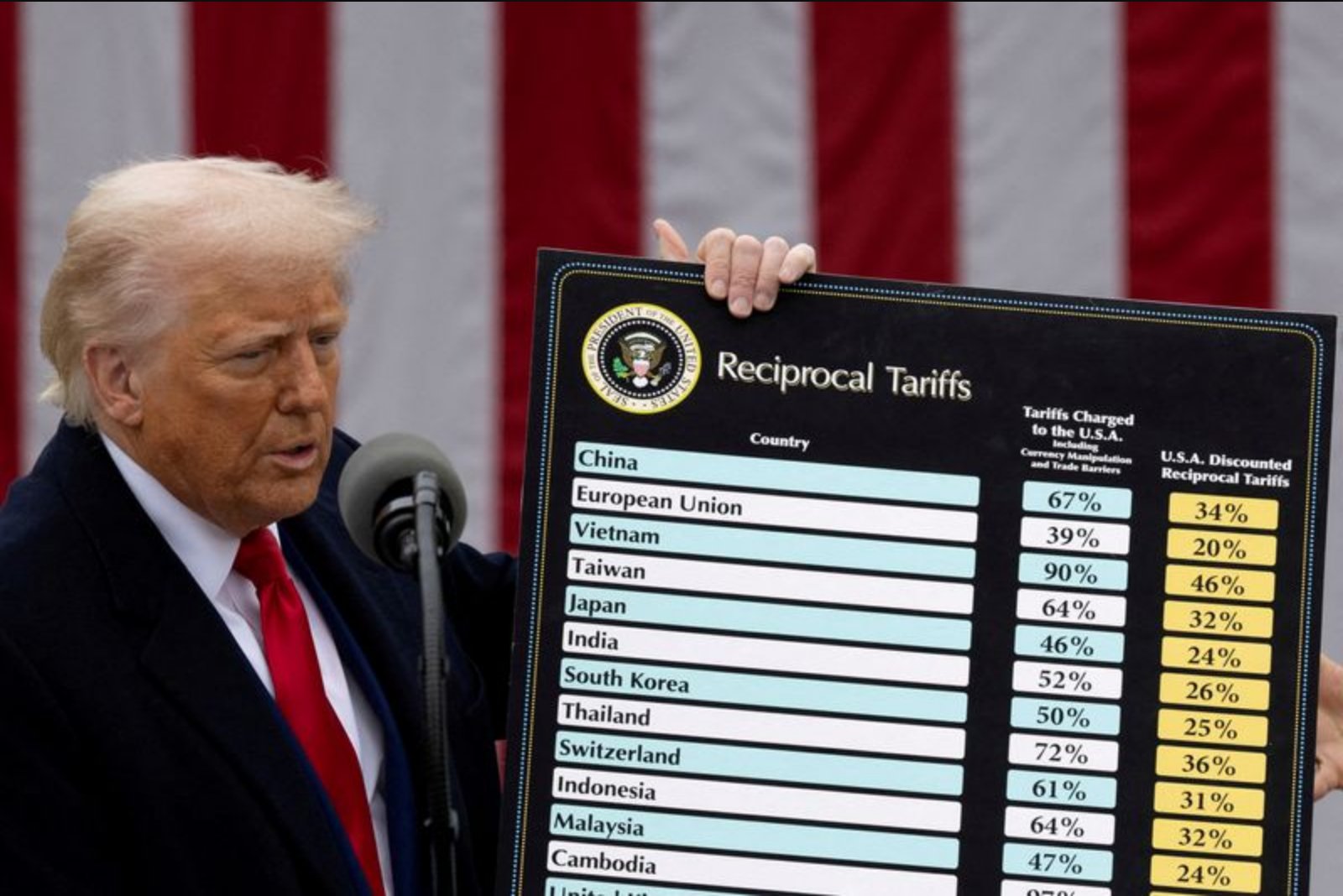
Companies that were on the receiving end of last year’s sudden tariff imposition are increasingly considering a financing path that would let them retain ownership of their refund claims while tapping that anticipated cash to cover immediate needs. The approach uses claims for refunds of the now-invalidated tariffs as collateral for loans, rather than selling those claims outright at a discount to third-party buyers.
The tariffs, announced on April 2 of last year, were later declared illegal by the U.S. Supreme Court in February. They resulted in more than 330,000 importers ultimately paying the levies, and many firms have launched legal challenges seeking reimbursement. According to the figures being pursued by litigants, companies are attempting to recover roughly $166 billion from the government.
How the loan structures work
Legal and market advisers working with both buyers and sellers describe deals that would generally take the form of term loans secured by the importers' refund claims. Interest on these loans is often structured as payment-in-kind (PIK) interest, meaning that interest accrues and is repaid out of the eventual refund proceeds rather than in cash during the loan term.
The appeal for importers is straightforward: by borrowing against the claim they keep ownership of the right to the refund instead of selling it at a discount to a claims purchaser. As one restructuring attorney advising parties in this market put it, "You’re paying interest, but you’re not giving away 50% of your claim. You still own the claim." That attorney, Raniero D’Aversa, also said the market includes commercial banks, hedge funds, and private credit funds that are actively looking to lend against these claims as collateral.
Market participants and deal economics
Financial-services firms have already been active buying refund claims from importers worried about the delay or uncertainty in receiving refunds. Prices for the rights to potential government refunds rose after the high court ruling, but market participants say those purchases still trade below full face value.
Neil Seiden, managing director of Asset Enhancement Solutions, which arranges debt financing, outlined lender minimums he encounters in the market. According to Seiden, funds he works with typically require a minimum loan size of $10 million to consider lending against tariff refunds, and such loans must be secured by a tariff claim of at least $20 million. Seiden also offered an example that highlights the size thresholds and pricing: an importer could generally sell a $500,000 claim outright for roughly 55 to 75 cents on the dollar.
Some buyers are committed to direct purchases. Brian Coppola, managing partner at Outpost Capital Partners, said he prefers to purchase potential proceeds outright and intends to deploy billions into refund claims, having already acquired several from large U.S. retailers.
Risks, timing and underwriting
Both borrowers and lenders face material risks in these arrangements. Borrowers take on high interest costs and remain personally liable for the loan if refunds do not materialize, while lenders assume collateral risk if the market price for claims falls or if the borrower defaults.
D’Aversa illustrated the lender-side concern: "What happens if the market goes from fifty cents to twenty cents? Now my collateral value has diminished and my loan is at risk." The example underscores the sensitivity of these financings to secondary-market valuations for refund claims.
Timing is a critical determinant of whether borrowing or selling is the better option. Seiden framed a hypothetical comparison using a 15% interest rate: at that rate, the break-even point for opting to borrow versus selling a claim at 80 cents on the dollar is just over two years. This calculation ties directly to expectations about how long refunds will take to be processed and paid.
On timing, Seiden said trade experts anticipate refunds could take at least two years to resolve. He cited as reasons the previous administration’s adversarial posture toward refunds, the potential for appeals, eligibility reviews, and administrative delays. The U.S. customs agency has said it is making progress on creating a refund process, while acknowledging that some payments may be delayed.
Because lenders expect borrowers to be able to repay if refunds fall short of covering interest costs, the market demands rigorous underwriting. "Every company will make a different decision depending upon how their business is doing and when they think the refund will be received," Seiden said. If the refund does not cover interest, the borrower is required to pay the shortfall from other sources.
Seiden's firm has already facilitated $20 million in purchases of tariff claims, though it has not yet closed a loan secured by such claims, illustrating that claim acquisition and loan execution are related but distinct steps in the developing market.
Buyer protections and other complications
As the market for claims expands, buyers and lenders are exploring additional safeguards. Tony Gulotta, a principal at tax consultancy Ryan, said he has spoken with at least one buyer about using contingency insurance to protect against seller insolvency or loss of cooperation when pursuing the refund.
Gulotta also flagged specific legal exposure that could follow from claims purchased from large retailers. If a retailer had passed tariff costs on to customers and those customers later pursue class-action litigation to reclaim those charges, the buyer of the retailer’s refund claim could face complications linked to consumer liability. "Their customers will want that money back," Gulotta said. "If you’re buying from a retailer, you have to distinguish any liability they might have to consumers." These considerations add another layer of diligence for buyers and lenders alike.
For companies weighing their options, the choice between selling a claim now at a discount and borrowing against it hinges on their view of the refund timeline, their tolerance for interest expense, and the potential for collateral valuation swings. Market participants say there is substantial capital ready to be deployed, but the arrangements carry tradeoffs that will be assessed on a case-by-case basis by importers, investors, and lenders.