
PYEONGTAEK, South Korea - Hyundai Motor on Friday warned that the conflict in the Middle East is disrupting shipments bound for Europe and North Africa that normally move through the region, creating mounting pressure on its logistics network and suppliers.
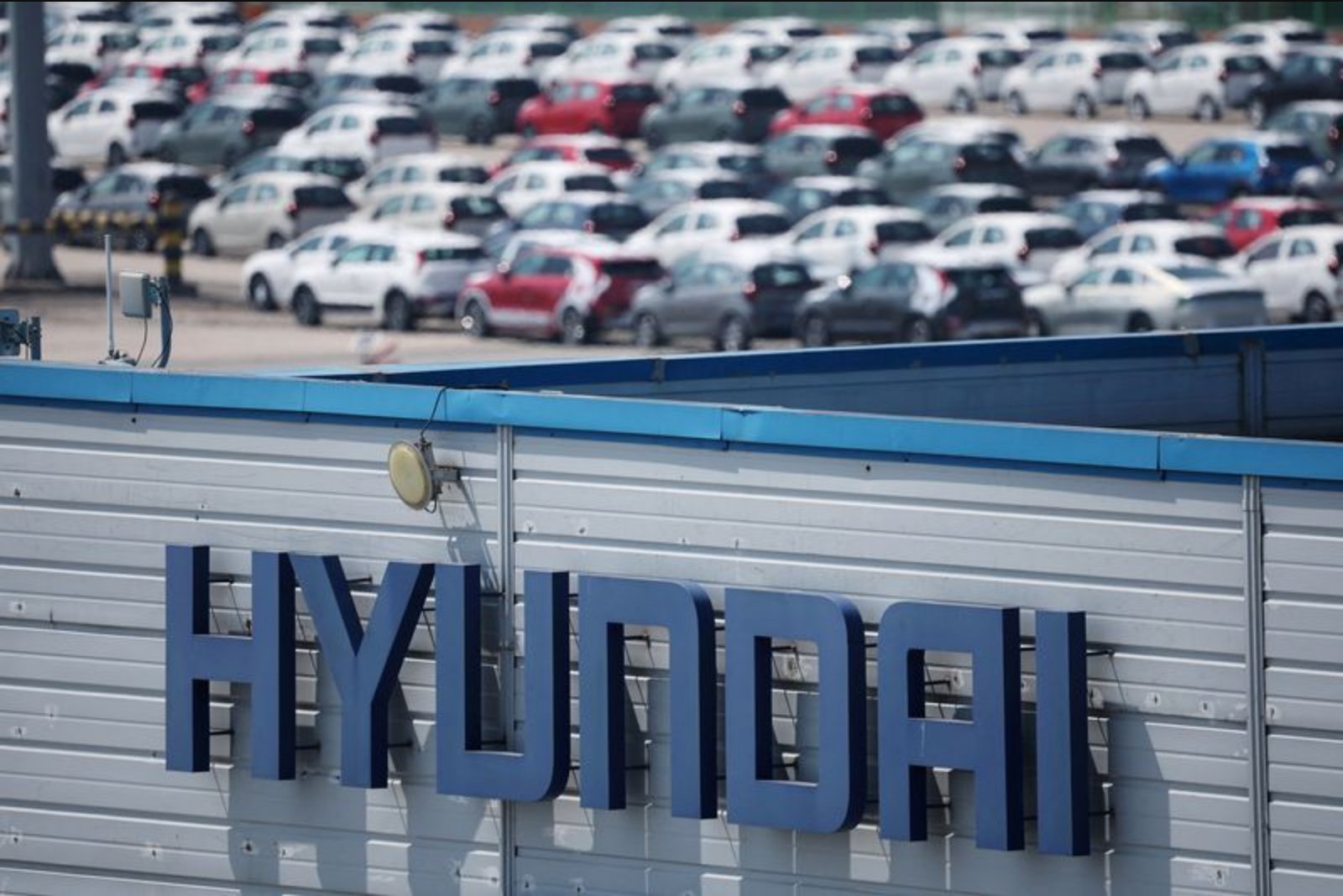
Company officials, logistics operators and government representatives met at Pyeongtaek-Dangjin Port - a major gateway for vehicle exports - to evaluate the operational fallout. At the port, cars were lined up on the wharf awaiting loading onto a large vehicle carrier scheduled to take roughly 4,900 vehicles to the U.S. west coast.
Kim Dong-jo, a senior vice president at Hyundai Motor’s Global Policy Office, told attendees that even a rapid end to the Iran war would not immediately restore normal trade flows. "Even if the conflict ends, it will take a considerable amount of time to rebuild and restore existing supply chains," he said, underscoring the lag between a ceasefire and the resumption of stable logistics links.
Officials at the meeting pointed to several immediate commercial effects: higher logistics costs, delayed deliveries and constraints on raw materials that are affecting parts suppliers and production schedules. Hyundai said it is coordinating with its supplier base and government agencies to mitigate interruptions.
Hyundai Motor Group’s logistics arm, Hyundai Glovis, reported that it is currently unable to use certain Middle East sea routes. The restricted access has forced the unit to place some cargo into temporary storage at alternate locations until transit conditions improve.
While routes to North America’s west and east coasts have not, so far, shown major disruption, Hyundai said limitations in the Middle East and rising fuel prices are reducing operational efficiency and complicating routing decisions.
South Korea’s Trade Minister Yeo Han-koo told the port meeting that some vessels are being diverted to intermediary hubs, including Sri Lanka, where shipments are being held while companies reassess timelines for resuming normal transit. Ports in these interim hubs are experiencing congestion as diverted cargo accumulates.
Last month, some used car exports from Japan were unable to enter Sri Lanka as local ports became congested with cargo rerouted from Dubai amid the Middle East conflict.
Macro trade data show the impact on broader exports: South Korea recorded its strongest export growth in nearly four decades in March, but shipments to the Middle East fell 49%. Auto exports were roughly flat for the month, with supply disruptions offsetting strong demand for environmentally friendly vehicles.
Hyundai Motor reported global vehicle sales of 358,759 units in March, a 2.3% decline from a year earlier. Domestic sales slipped 2.0% while overseas volumes fell 2.4%.
Market moves reflected the company-level strain: shares of Hyundai Motor and Hyundai Glovis closed down 1.2% and 0.7%, respectively, on Friday even as the benchmark KOSPI index climbed 2.7% that day.
Summary
Disruption of Middle East shipping lanes is affecting Hyundai Motor’s exports to Europe and North Africa, forcing temporary cargo storage and rerouting to intermediate hubs. The impact is raising logistics costs, delaying deliveries and putting pressure on suppliers and production, with the company working with partners to limit disruption.
Key points
- Exports to Europe and North Africa that transit the Middle East are being disrupted, affecting Hyundai’s logistics and suppliers.
- Hyundai Glovis cannot currently access some Middle East routes and is temporarily storing cargo at alternate locations until routes stabilise.
- Shipments are being diverted to hubs such as Sri Lanka, where port congestion is occurring as cargo accumulates.
Risks and uncertainties
- Prolonged restricted access to Middle East routes could continue to elevate logistics costs and delay vehicle deliveries, affecting automotive supply chains and manufacturing schedules.
- Congestion at interim hubs may create knock-on delays and storage constraints for exporters and importers, impacting port operations and freight-forwarding sectors.
- Constraints on raw materials and parts tied to disrupted shipping routes may pressure suppliers, with potential implications for production continuity in the auto sector.