
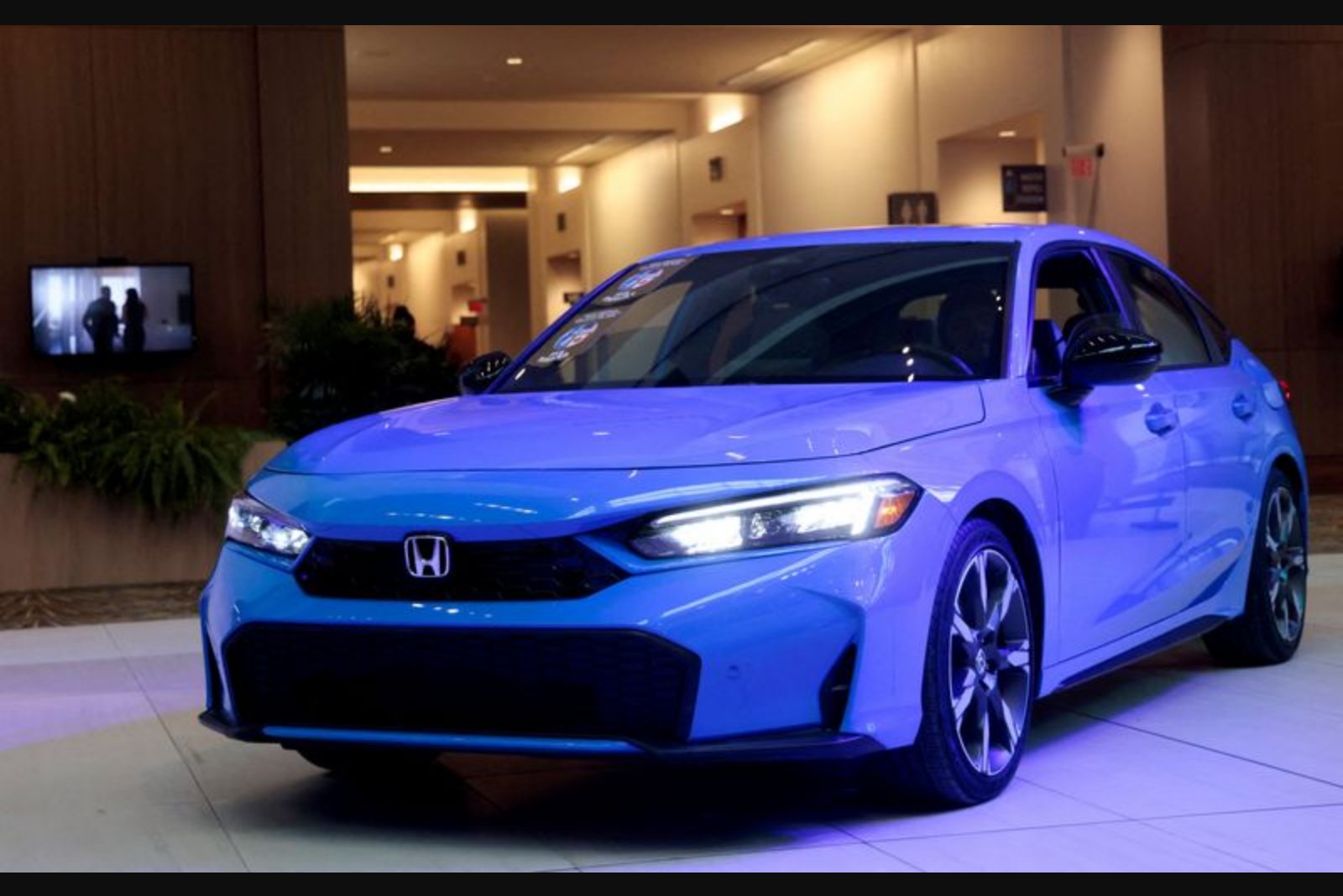
U.S. car buyers have shown a clear preference for hybrid vehicles in the two months following the outbreak of the Middle East conflict at the end of February, according to recent industry data and dealer reports. Research firm Motor Intelligence found that hybrid sales in the United States climbed 37% over that span, outpacing the 15% rise for the overall auto market.
By contrast, fully electric vehicles have seen more modest growth. Motor Intelligence data show U.S. EV sales increased 11% in the same two-month window, a pace below the broader market. The slower EV momentum comes even as U.S. gasoline prices topped $4 a gallon in late April - hitting a four-year high according to the American Automobile Association - a development that might have been expected to boost electric adoption more strongly.
Sales of fully electric cars are also still depressed relative to a year ago. That gap persists after the expiration last autumn of the $7,500 federal tax credit that previously subsidized some EV purchases, a factor industry observers point to when characterizing current American consumer behavior.
Consumer interest in EVs in the United States contrasts with a more robust pattern in parts of Europe, where rising fuel costs have coincided with stronger electric car demand. In the United Kingdom, sales of EVs rose 79% in the two months following the Iran conflict, outpacing the overall market. Germany likewise saw fully electric car sales grow 39% over the same period, again ahead of its broader industry gains. Commentators note that Europe now offers more affordable EV models and faces stricter tailpipe-emissions rules than the U.S., factors that help explain the regional divergence.
Why hybrids are appealing
Analysts and dealers say hybrids have become the pragmatic choice for many U.S. shoppers seeking better fuel economy without adopting a fully electric driving routine. Hybrids combine a gasoline engine with a lithium-ion battery and electric motor that assists the engine and reduces fuel consumption. They tend to be less costly than full EVs and are available in a wider range of models, and owners are not required to change daily habits such as plugging in overnight.
“People were already interested in hybrids before gas prices started to go up,” said Kevin Roberts, director of economic and market intelligence at online marketplace CarGurus. “Higher gas prices just kind of increased that interest even further.”
Digital browsing behavior echoes that shift. On the CarGurus website in April, hybrids accounted for 14% of all vehicle searches, up from 12% in March. EV searches rose to 5% from 3.4% over the same interval, indicating increased curiosity about electrified vehicles but still lagging behind hybrid interest.
Dealers report the uptick in hybrid transactions in their showrooms. Brad Sowers, who operates Kia, Stellantis and General Motors franchises in the St. Louis area, said price sensitivity is a strong influence: “Customers are really looking at every penny.” At his Kia location, hybrids comprised roughly 35% of sales in April, up from about 30% in March.
Toyota Motor has been an obvious beneficiary of the trend. The company, which popularized hybrid technology in the late 1990s, has shifted two of its best-selling vehicles - the RAV4 SUV and Camry sedan - to hybrid-only configurations. Over the two months since the conflict began, Toyota’s U.S. electrified sales rose 34%, a figure that largely reflects hybrid activity with a relatively small contribution from full EVs. Toyota’s overall U.S. sales climbed 23% in that period.
Pickup market remains strong
Even as hybrids gain traction, demand for large pickup trucks has not abated. Data from Catalyst IQ, which provides services to dealerships, indicate that purchases of large pickups in March and April were 20% higher than in February, before the conflict started.
Dealers attribute continued pickup sales to customer sensitivity to manufacturer incentives as much as to fuel-price considerations. Todd Szott, who runs Toyota, Ford Motor and Stellantis dealerships in Michigan, said buyers watch gas prices but often respond more to factory promotions. “We’re still selling lots of pickup trucks,” he said, noting that in many cases the deepest discounts are available on gas-powered models.
What the data imply
The available figures point to a U.S. market that is moving toward electrified powertrains primarily via hybrids rather than through a rapid shift to battery-electric vehicles. Higher pump prices have amplified existing interest in hybrids, but structural and policy changes - including the loss of a federal tax credit for many EV buyers - appear to have constrained EV adoption in the short term. At the same time, robust pickup demand highlights ongoing segments where gasoline consumption remains economically relevant.