
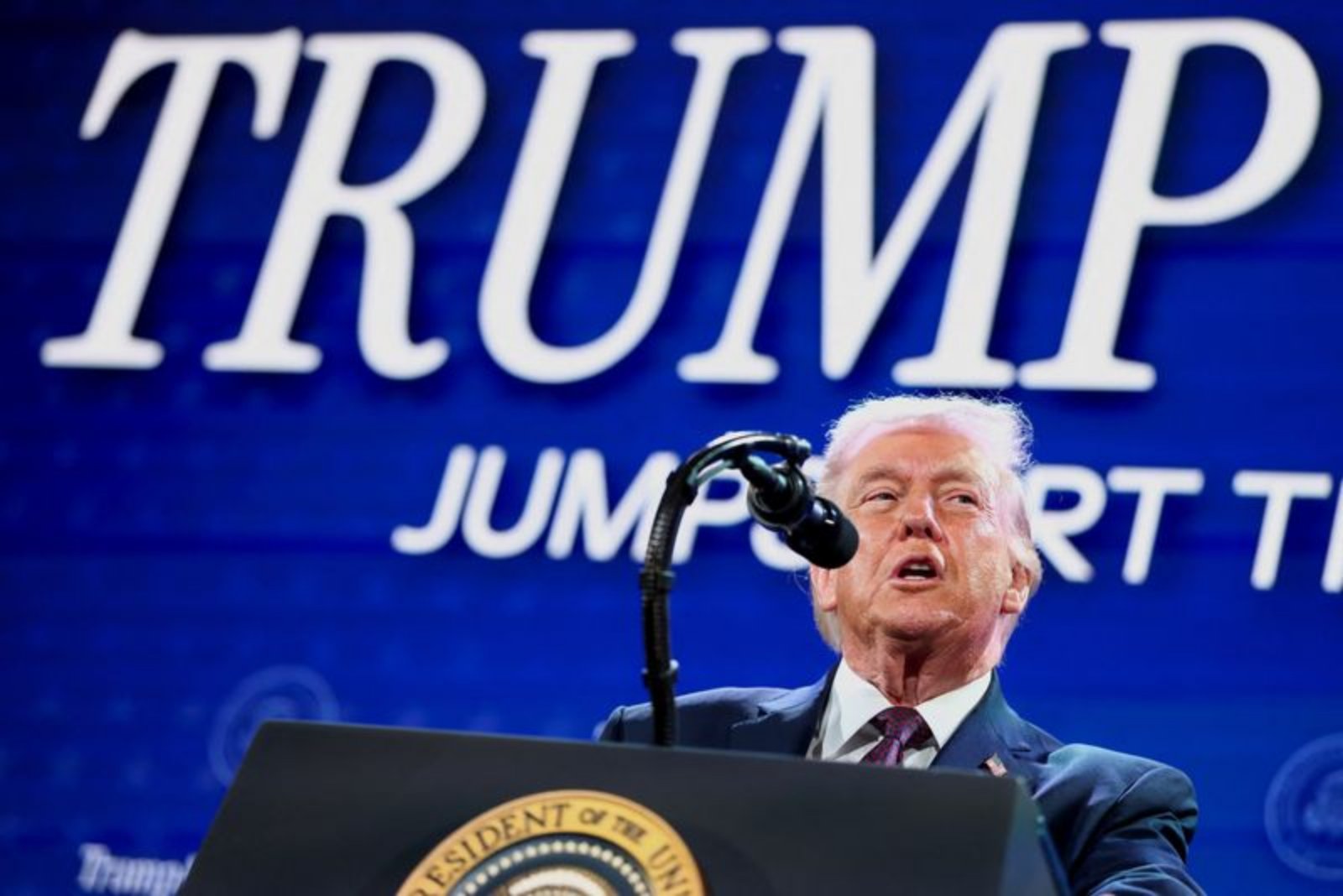
More than half a million families have already registered interest in the new "Trump Accounts," a federally backed initiative scheduled to begin this summer that places tax-advantaged investment accounts in the names of U.S. children. The program is designed for children born between 2025 and 2028 who have a valid Social Security number, and it starts with a $1,000 government deposit intended as seed capital.
How the accounts will operate
The Treasury will invest the initial $1,000 per eligible child in low-cost index funds that grow tax-deferred, with income taxes payable when funds are withdrawn. Parents, guardians, employers or other entities will be permitted to add to those accounts, subject to an annual contribution limit of $5,000. The program anticipates that employer contributions will be capped at $2,500 per year. Control of the account transfers to the child at age 18.
Administratively, the first step for interested families is to file IRS Form 4547, which is available now and may be submitted at any time. Later this year, parents and guardians will also be able to create online accounts via trumpaccounts.gov to manage contributions and view balances.
Private and corporate funding commitments
Philanthropic and corporate support has helped the initiative gain traction. Last December, entrepreneur Michael Dell and his wife Susan pledged $6.25 billion to deposit $250 into individual investment accounts for 25 million American children. According to the Dells' spokesperson, the gift will target children living in ZIP codes with a median family income of $150,000 or less.
Financial firms and employers have announced matching programs as well. JPMorgan Chase said it will match the federal one-time $1,000 contribution for children of eligible U.S. employees. Bank of America has said it will offer a $1,000 match to eligible employees and will permit pre-tax payroll deductions to fund contributions, according to an internal memo seen by Reuters. The administration also reported that dozens of major employers have agreed to include Trump Account contributions in employee benefits, naming Uber, Charles Schwab and Charter Communications among participants.
Limits to the apparent generosity
Financial advisers say the seed money and employer matches help reduce friction and encourage enrollment, but they also caution that the measures do not change the fundamental drivers of long-term savings results. Doug Boneparth, president of Bone Fide Wealth, notes that short-term boosts or small recurring contributions can spark engagement, but that eventual outcomes depend on consistency, contribution limits, investment choices and market returns.
Complex tax and withdrawal rules
Experts describe Trump Accounts as effectively functioning like custodial individual retirement arrangements until the child reaches adulthood. Alex Caswell, a certified financial planner, explains that the account will operate as a Custodial IRA overseen by a parent or legal guardian and will convert into a traditional IRA when the child turns 18. He also warns that tax treatment could be complicated because accounts may combine tax-free distributions with taxable investments.
Withdrawals follow IRA-style rules and can be subject to penalties if taken early or used for non-qualified purposes, according to John Iselin of the Budget Lab at Yale. Iselin characterizes the support as broad and shallow rather than targeted and large.
Potential savings outcomes
Advisers illustrate how small contributions can compound over decades. Andrew Herzog, a certified financial planner at the Watchman Group, calculates that leaving the $1,000 seed contribution untouched for 28 years at a hypothetical 10% annual return would grow to roughly $16,000. Herzog used that 10% figure as a reference point; historically cited averages for major indexes have been in a similar range.
Under a modest saving plan, Herzog estimated that investing the seed money and adding $100 a month until the child reaches 18, then allowing the balance to grow for another 10 years, would produce a balance near $180,000 by age 28. For families able to save more aggressively, Herzog calculates that funding the account with the seed money plus annual contributions at the $5,000 cap until age 18, and then allowing a decade of growth, could yield a portfolio worth about $698,000 by age 28.
Financial education and behavioral effects
Proponents of the accounts emphasize potential teachable moments as children age and become involved in their investments. Jackie Cummings Koski, a certified financial planner and educator, points to opportunities for learning about index funds, the composition of holdings and prospective growth paths, as children take ownership of the accounts.
Advisers also underscore habit formation. Tomas Geoghegan, a family wealth adviser, says the long-term benefit depends on whether families adopt regular contributions. Melissa Caro, a certified financial planner working with lower-income households, argues that automatic deposits, immediate matches and straightforward rules are more effective at boosting savings among those families. She notes that offering tax-time benefits alone is not the most effective behavioral lever for the populations the program hopes to reach.
Outstanding questions and operational hurdles
Several crucial implementation details remain unresolved. Officials have not yet clarified how account balances will be treated when families apply for federal student aid. It is also unclear who will manage day-to-day account administration, how custodians will ensure compliance, what investment restrictions will apply and how employers will coordinate funding streams.
Caswell says some families are taking a wait-and-see approach while they await further guidance on operational and compliance issues. He notes that families who recently had children are holding off on decisions until the program releases more detailed rules.
Key points
- Trump Accounts will begin this July with a $1,000 federal seed deposit for children born 2025-2028; families can add funds up to $5,000 per year and employers are expected to be limited to $2,500 per year.
- Philanthropic pledges and corporate matches from figures and firms such as Michael Dell, JPMorgan Chase and Bank of America are intended to broaden participation, while dozens of employers have agreed to include contributions in benefits packages.
- Financial outcomes depend on sustained contributions, investment choices and market returns rather than the initial seed payment alone, and the program may create opportunities for financial education as account holders mature.
Risks and uncertainties
- Tax complexity and mixed funding sources could create administrative and planning challenges for families, including unclear interactions between tax-free distributions and taxable investments.
- Unresolved policy details such as the impact on federal student aid, the identity of account managers, custody compliance and employer funding logistics may delay effective implementation.
- The program may provide broad but modest support per household, meaning the accounts could have limited impact for families who need larger, targeted assistance to meaningfully alter savings behavior.