
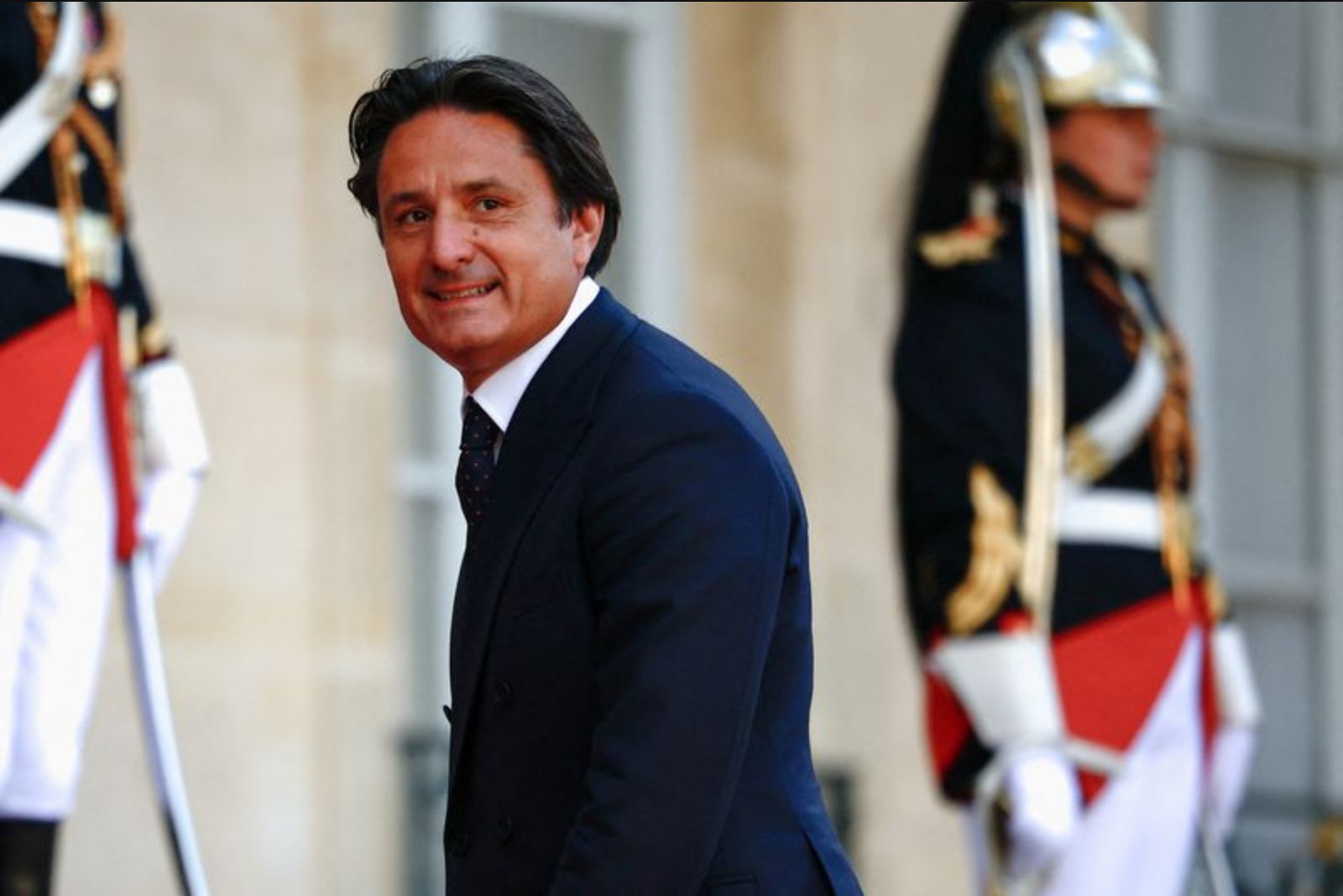
PARIS, Feb 12 - Hermes chief executive Axel Dumas said he turned down repeated attempts by Jeffrey Epstein to arrange meetings, and that he considered both himself and the company to be targets of the financier, whom he described as a "financial predator." Dumas made the remarks on a call with journalists on Thursday.
Speaking about the interactions, Dumas said the outreach occurred while he was a relatively new CEO and at a time when Hermes was embroiled in the high-profile takeover dispute widely referred to as the LVMH affair. "I think we were a target, I was a young CEO and we were in the middle of the LVMH affair. He was a financial predator," Dumas said. He added that Epstein "already had a hateful reputation."
Files released by the U.S. Department of Justice corroborate that Epstein made multiple attempts to contact Hermes directly. Those documents show Epstein sent emails to the company requesting meetings with Dumas. Separately, the files indicate Epstein reached out to Hermes with a request that the luxury firm design the interior of his private jet. Hermes declined the design request and did not facilitate the proposed meetings.
The CEO's remarks underline two strands present in the public record: Dumas' decision to resist engagement with Epstein personally, and the company's refusal to fulfil a bespoke interior design ask. The DOJ files provide documentary detail of the outreach, while Dumas' comments offer the company's perspective on how those approaches were perceived at the time.
Beyond the immediate disclosures, the episode highlights the challenges a luxury brand can face when executives and corporate reputations intersect with external figures who attract legal or reputational scrutiny. In this instance, Hermes' response was to decline involvement and to distance both its leadership and brand from Epstein's requests.
Context and notable points
- Dumas reports he resisted meeting requests from Epstein and characterized him as a "financial predator."
- DOJ documents indicate Epstein emailed Hermes multiple times seeking meetings with Dumas and also asked the company to design his private jet interior.
- Hermes refused the design request and did not arrange the meetings, according to the documents and Dumas' account.
These developments are drawn from statements made by the Hermes CEO and the content of Department of Justice files. The record shows outreach from Epstein and refusal from Hermes, while Dumas' remarks frame those interactions as targeted approaches during a period of corporate contestation.