
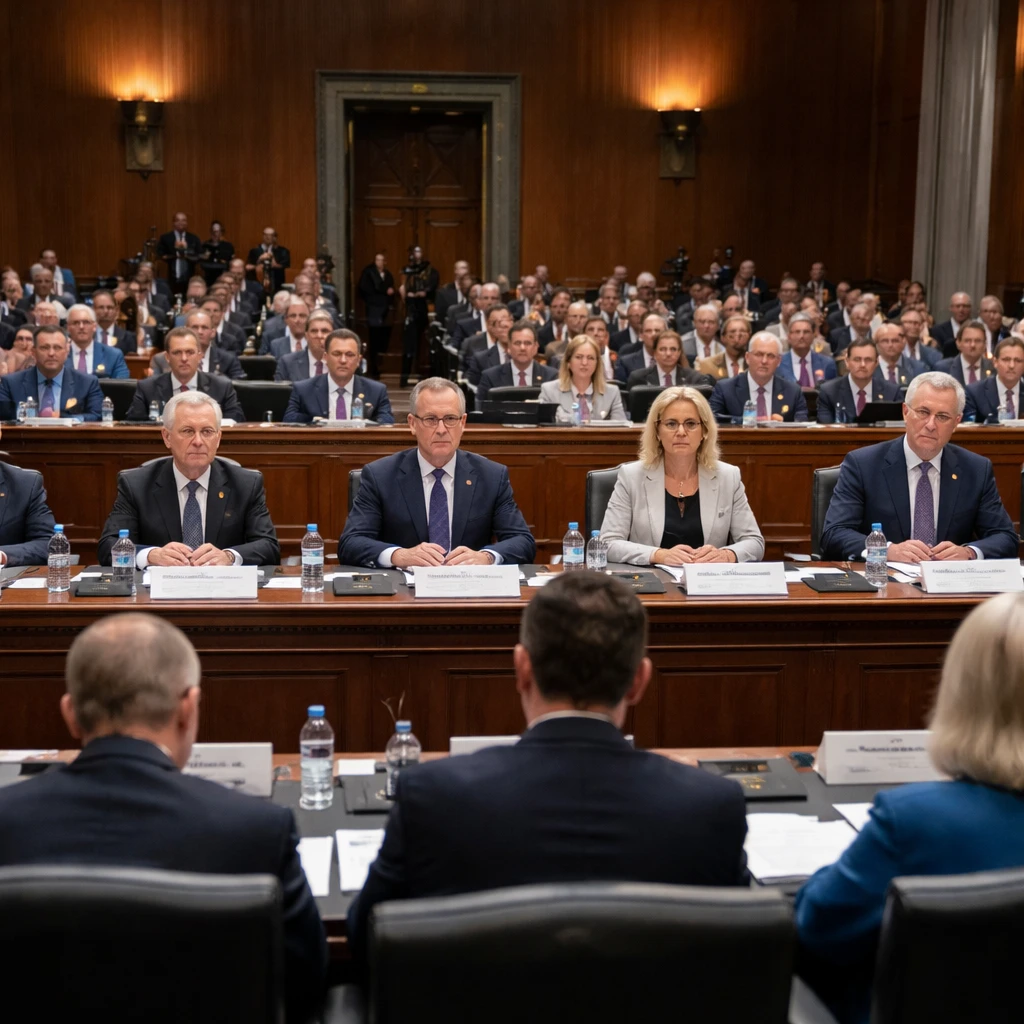
On Thursday, leading executives from five of the largest health insurance providers in the United States appeared before lawmakers in the House of Representatives and Senate to discuss the escalating costs associated with healthcare coverage and its impact on affordability for American consumers. Representatives from notable companies such as CVS Health, Cigna, UnitedHealth, and Elevance engaged with Congressional members amid heightened public scrutiny.
A central issue in these discussions involves the substantial increase in insurance premiums under the Affordable Care Act (Obamacare) following the expiration of additional tax credits that were temporarily expanded during the COVID-19 pandemic. This change has resulted in a threefold increase in premiums for millions.
Further data underscores the rising burden on families: a recent analysis by the health policy organization KFF revealed that for 2025, annual premiums for employer-sponsored health insurance plans are anticipated to increase by 6%, reaching nearly $27,000 per family. Additionally, U.S. government statistics have indicated that medical costs have grown by more than 7% in recent years, contributing further to the affordability challenges faced by consumers.
Political discourse surrounding these issues remains active. Former President Donald Trump has expressed opposition to reinstating the enhanced Obamacare subsidies. Instead, he has advocated for direct payments to consumers purchasing health insurance, proposing that such funds could be deposited into health savings accounts.
Addressing these concerns in formal written testimonies submitted to the House Ways and Means Committee and the Energy and Commerce Committee’s Subcommittee on Health, UnitedHealth announced plans to issue rebates to enrollees of its Obamacare plans for the 2026 coverage year. This move aims to alleviate some of the financial pressures endured by policyholders amidst the premium increases.