
The unfolding conflict involving the United States and Israel and Iran is producing immediate, tangible shocks across international commerce, from airline networks to the movement of essential raw materials. Businesses are reporting higher costs and delays as critical transit corridors and cargo facilities in the Middle East operate at far below normal levels.
Travel disruption and airport paralysis
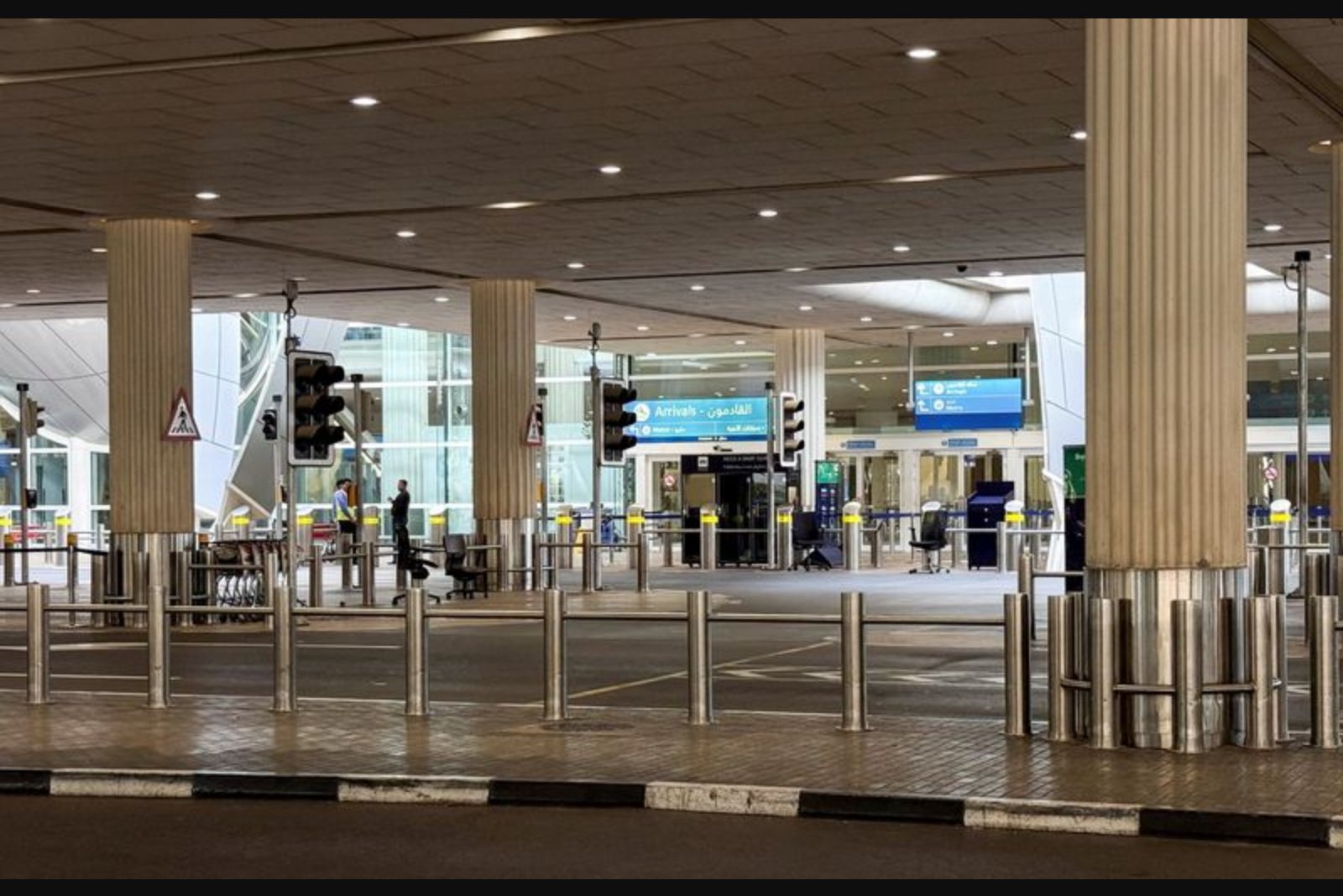
Large portions of the region's airspace have been closed, effectively crippling transit hubs such as Dubai and Doha. The closure has left tens of thousands of travellers stranded and prompted the cancellation of approximately 40,000 flights - the most severe disruption the travel sector has seen since the COVID-19 pandemic. Governments are mounting repatriation operations while airports restart services at a fraction of their usual throughput.
In response to the gridlock, some travellers have turned to private jets to exit the Gulf, while others have driven long distances across desert terrain to reach Riyadh in the hope of catching outbound flights from Saudi Arabia. Meanwhile, shipments that rely on air freight - from perishable produce to aircraft spare parts - are stuck in limbo as cargo capacity tightens and freight rates climb.
Airlines and fuel cost pressures
The closure of Gulf airspace has rippled across global airline networks and has had a noticeable effect on share prices in the sector. Prices for flights along Asia-Europe corridors have jumped, and carriers such as Wizz Air and Lufthansa have altered routing to adapt to the airspace restrictions. Low-cost carrier Ryanair has reported stronger demand for short-haul travel as European passengers remain closer to home for the Easter period.
Jet fuel prices - typically the second-largest expense after labour for airlines - have in some cases doubled since the start of the conflict, intensifying pressure on carriers. U.S. airlines, having largely abandoned fuel hedging practices, may face greater exposure if the disruption persists, while European and Asian carriers could be cushioned by their active hedging strategies. For flight crews, the environment is increasingly fraught as incidents ranging from drone incursions to constrained flight paths add operational risk and strain.
Impact on Dubai and regional tourism
The crisis has exposed vulnerabilities in the Middle East's positioning as a high-end tourism and transit destination after years of heavy investment. Tourism in the region is valued at about $367 billion annually, and the events have highlighted the global travel system's dependence on a few major hubs, with Dubai at the centre as the world's busiest international airport. Retail and hospitality operations in Dubai and other regional shopping centres have operated with reduced staff or closed storefronts amid the disruption.
Defence logistics and contractor engagement
U.S. forces have employed a range of weapons in strikes against Iranian targets, including Tomahawk cruise missiles, stealth aircraft and, in combat for the first time, low-cost one-way attack drones modeled on Iranian designs. The Pentagon also utilized services from Anthropic, including its Claude tools, during the operation. In a recent policy move, the Pentagon designated the company a "supply-chain risk," restricting government contractors from using its technology in U.S. military work amid a protracted dispute over operational safeguards.
To address equipment drawn down by strikes and other recent operations, U.S. President Donald Trump met with executives from seven defence contractors on March 6, as the Pentagon seeks to replenish stocks used in the campaign.
Critical metals and raw material bottlenecks
Production and shipment of key metals have been hit. Qatalum, a Qatari smelter, began shutting operations, while Aluminium Bahrain halted shipments and declared force majeure, citing an inability to move metal through the Strait of Hormuz. The Gulf produces roughly 8% of the world's aluminium supply. Following these developments, aluminium prices on the London Metal Exchange rose sharply and physical premiums in Europe and the United States climbed to multi-year highs.
Producers of nickel in Indonesia that depend on the Middle East for about 75% of the sulphur they use may be forced to scale back output if Gulf shipping becomes more disrupted. These shifts foreshadow broader stress across the metals supply chain as transport routes and export capacity are constrained.
Clothing supply chains and luxury goods
Air cargo reductions have left consignments of garments bound for major retailers stranded at airports in Bangladesh and India. Manufacturers in South Asia supply a steady flow of apparel for fast fashion retailers, including shipments destined for companies such as Inditex, the owner of Zara. Interruptions to air freight capacity threaten timely replenishment of seasonal inventory.
The luxury sector is also feeling the pressure amid an already slow recovery in demand. Groups such as Richemont and Zegna are identified among those with notable exposure to the disruptions in regional transport and consumer traffic.
Semiconductor materials and data centre damage
South Korean officials have warned that a sustained conflict could hamper supplies of critical semiconductor manufacturing inputs sourced from the Middle East, including helium, a material essential to chip production for which there is no practical substitute. Damage from drone strikes to some data centres operated by Amazon in the United Arab Emirates and Bahrain has raised additional questions about technology infrastructure and the pace of expansion by major cloud providers in the region.
The combined effect of constrained airspace, port and shipping disruptions, and strikes that draw on defence inventories is producing cross-sector pressures. From elevated fuel and commodity costs to stranded cargo and depleted military stocks, firms and governments are managing an increasingly complex set of operational and financial risks.