
Goldman Sachs Group Inc. has announced a significant raise in compensation for its Chief Executive Officer, David Solomon, for the year 2025. The new package values Solomon's earnings at $47 million, which represents a 21% increase over the $39 million he received for 2024.
Detailed in a corporate filing released on Friday, the compensation comprises a base salary of $2 million supplemented by $45 million in bonuses. These bonuses are structured through shares, cash payments, and carried interest components.
This total remuneration notably exceeds the $43 million compensation planned for 2025 for Jamie Dimon, CEO of JPMorgan Chase & Co. The pay adjustment reflects Goldman Sachs' strong financial results during Solomon's tenure, featuring record revenues in its banking and markets division alongside unprecedented management fees in its asset-management segment.
The substantial growth in Solomon's compensation is aligned with the company's robust operational performance in the preceding year, signaling confidence from the board in his leadership and strategic direction. While the pay details emphasize financial incentives tied to multiple forms of remuneration, they notably highlight the increasing utilization of carried interest and equity shares as part of executive compensation structures.
This development is particularly pertinent to financial sector stakeholders, as executive pay packages often mirror company earnings and performance metrics, and can influence investor perceptions and broader market dynamics in banking and asset management sectors.
While this increase reflects favorable business performance, it also opens considerations regarding the sustainability of such compensation trends amid market volatility and regulatory scrutiny specific to the financial industry.
The evolving compensation dynamic at prominent financial institutions remains an area of focus for market analysts monitoring unit economics, profitability, and leadership incentives tied to shareholder value.
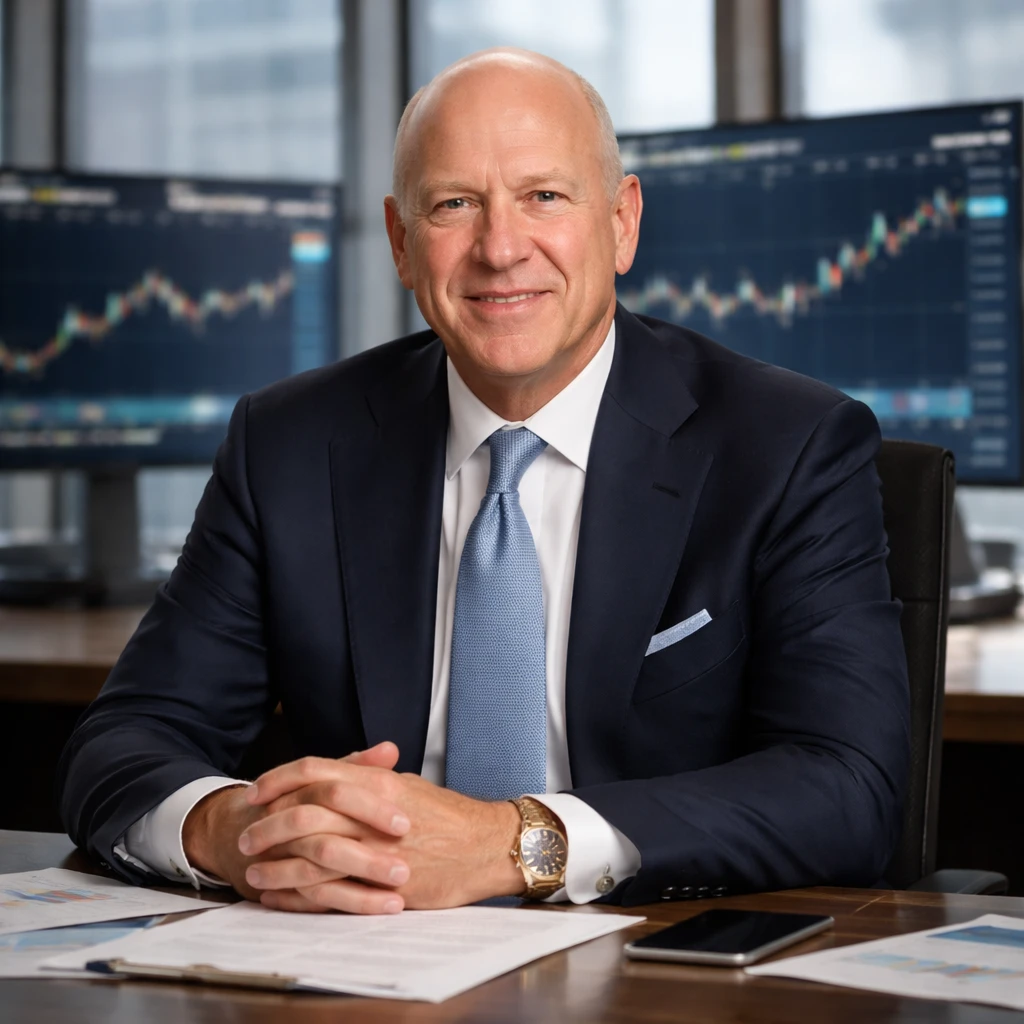
Goldman Sachs Group has raised CEO David Solomon's total compensation for 2025 to $47 million, marking a 21% increase from his previous year's pay of $39 million. The package includes a base salary of $2 million and $45 million in bonuses through various compensation forms. This increase follows Goldman Sachs' record-breaking revenue in key divisions under Solomon's leadership and positions his pay above that of JPMorgan's CEO Jamie Dimon.
Key Points
- David Solomon’s total pay package for 2025 rises to $47 million, marking a 21% increase from 2024.
- Compensation includes a $2 million base salary plus $45 million in bonuses through shares, cash, and carried interest.
- Goldman Sachs posted record revenue and management fees in key divisions under Solomon’s leadership, justifying pay increase.
Risks
- The significant rise in CEO pay could prompt scrutiny regarding executive compensation practices in the financial sector.
- Market volatility could impact Goldman Sachs’ future financial performance, affecting sustainability of high executive bonuses.
- Regulatory changes targeting financial institutions might influence compensation structures, including carried interest components.