
Stock Markets January 27, 2026

Gatik Books $600 Million in Contracts as It Begins Operating Fully Driverless Trucks

Autonomous trucking company says its driverless fleet is running near-continuous routes for major retailers and CPG firms amid regulatory scrutiny

By Leila Farooq
Gatik Books $600 Million in Contracts as It Begins Operating Fully Driverless Trucks

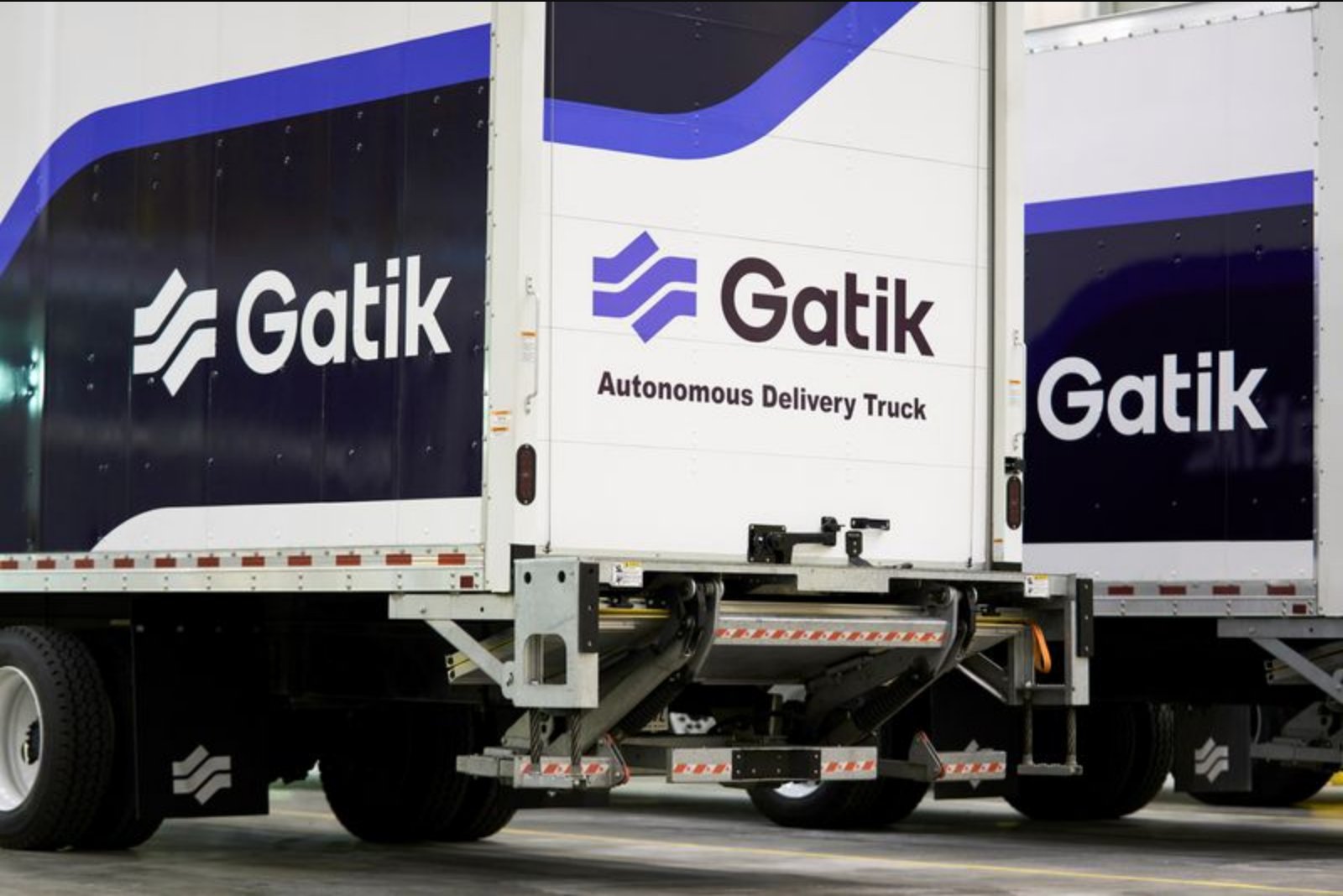
Gatik announced it has secured $600 million in contracted revenue and has deployed fully driverless trucks into commercial operations. The company says its freight vehicles operate nearly 24 hours a day between distribution centers and stores, serving large retailers and consumer packaged goods companies. The move arrives as regulatory safety scrutiny continues to complicate broader commercialization, even as advances in artificial intelligence have aided technical progress across the industry.

Key Points

  • Gatik says it has secured $600 million in contracted revenue and launched fully driverless trucks into commercial service.
  • The company's autonomous freight vehicles operate nearly 24 hours a day, moving goods between distribution centers and stores to raise delivery frequency, lower costs and keep shelves stocked.
  • The announcement comes as autonomous trucking draws increased public listings and competitive interest, with major retailers and CPG companies among the stated customers.

Gatik on Tuesday said it has secured $600 million in contracted revenue and is now operating fully driverless trucks in commercial service, signaling the company’s push to cement a position in the autonomous trucking market. The firm described the deployment as active across multiple logistics networks and markets.

"Today, we are operating fully driverless trucks across multiple logistics networks and markets, serving the largest retailers and CPG companies in the country," said Gautam Narang, CEO and co-founder of Gatik.

The company said its freight trucks operate nearly 24 hours a day, transporting goods between distribution centers and stores with the goals of increasing delivery frequency, lowering costs and keeping retail shelves stocked. Gatik framed the near-continuous operations as central to its commercial offering to large retailers and consumer packaged goods customers.

Despite these deployments, the autonomous driving industry faces substantial headwinds from regulators focused on safety. The company acknowledged that heavy regulatory scrutiny tied to safety concerns has made full commercialization difficult for many in the sector. At the same time, Gatik and others point to improvements driven by advances in artificial intelligence as helping firms refine their autonomous capabilities.

The autonomous trucking sector has also seen a notable uptick in public listings, and a number of rivals are pursuing the commercial opportunities presented by growing interest in self-driving vehicles. Gatik’s announcement underscores both the competitive activity in the space and the commercial ambitions of firms working to scale driverless freight operations.


Sector implications:

  • Logistics and supply chain operations: Driverless routes between distribution centers and stores could alter operating models for last-mile and mid-mile freight.
  • Retail and CPG: Large retailers and CPG companies are directly referenced as customers, indicating sector exposure to autonomous freight solutions.
  • Autonomous vehicle industry: The move reflects ongoing commercialization efforts amid broader technological and regulatory developments.

Notable quote

Gautam Narang, CEO and co-founder of Gatik: "Today, we are operating fully driverless trucks across multiple logistics networks and markets, serving the largest retailers and CPG companies in the country."

Risks

  • Regulatory scrutiny tied to safety concerns remains a significant obstacle to full commercialization of autonomous driving - this affects the autonomous vehicle sector and firms seeking broader deployment.
  • Operational and technological challenges persist despite advancements in artificial intelligence, creating uncertainty for logistics and supply chain adoption timelines.
  • Rising competition as rivals pursue public listings and commercial opportunities may pressure margins and market share for companies in the autonomous trucking market.

More from Stock Markets

European equities tick up as metals rebound; Publicis and earnings cycle take center stage Feb 3, 2026 UK Grocery Price Growth Slows to 4.0% as Own-Label Spending Hits Record Share Feb 3, 2026 Tokyo Shares Surge to Record High as Nikkei Climbs Nearly 4% Feb 3, 2026 Price Guarantee Helped Close Anta's $1.8 Billion Acquisition of Puma Stake Feb 3, 2026 Australian Shares Finish Higher as Gold, IT and Mining Stocks Lead Gains Feb 3, 2026