
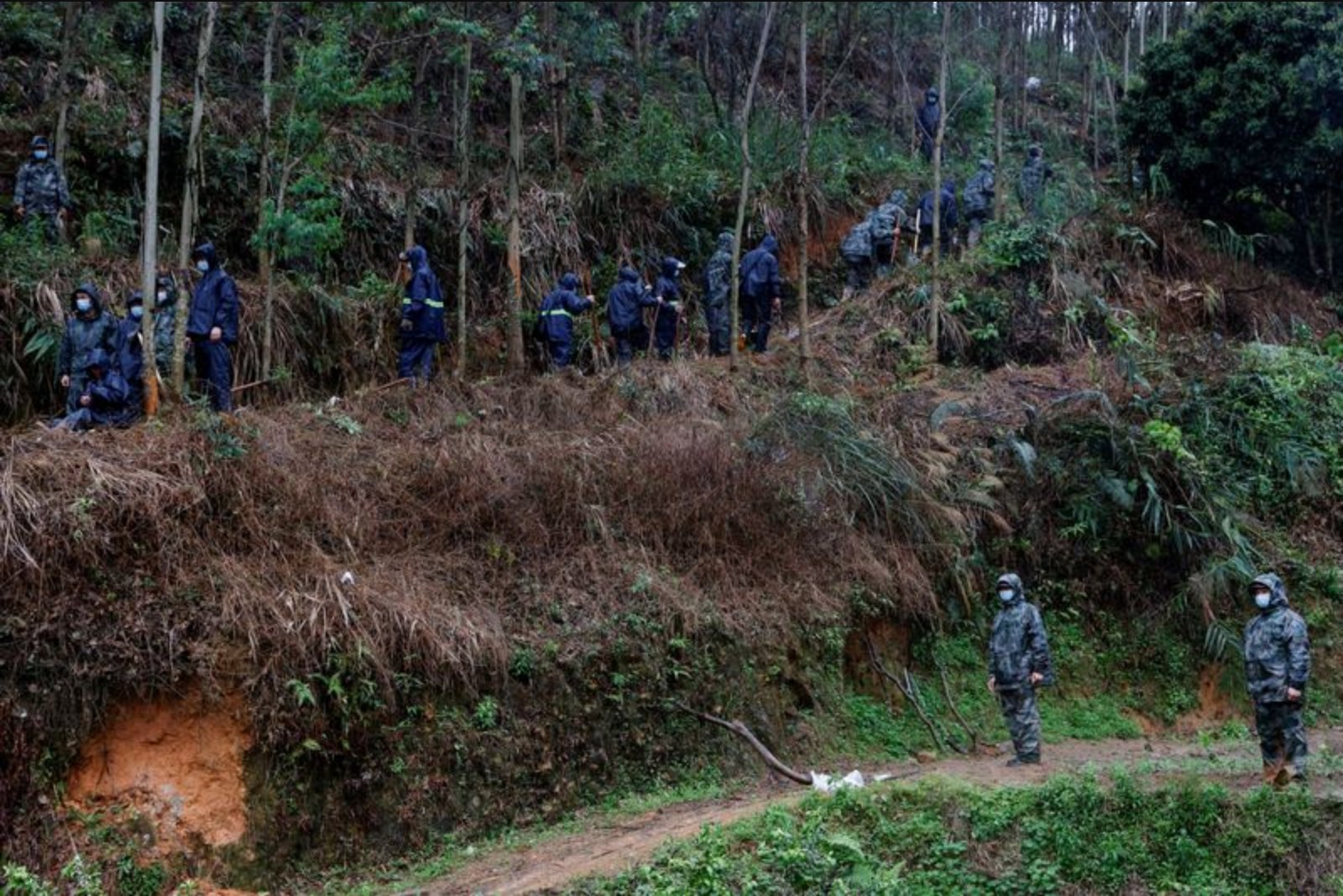
The Civil Aviation Administration of China (CAAC) has not issued its customary annual update on the probe into the China Eastern Airlines crash for the second year running, leaving the fourth anniversary of the disaster without new public findings.
On March 21, 2022, a China Eastern Boeing 737-800 plunged into a hillside in the Guangxi region roughly an hour after departing, killing all 132 people aboard. The accident stands as China's deadliest air tragedy in about three decades.
International aviation guidance recommends that investigators publish an initial report within 30 days and aim for a final report within a year so the industry can learn from mishaps and implement safety improvements. When those timelines are missed, investigators are generally expected to issue statements on each anniversary to update families and the aviation community.
CAAC last issued an update in March 2024. Since then, relatives of those killed have received no fresh public information about what caused the jet to drop from cruising altitude instead of continuing to Guangzhou as planned.
Previous CAAC statements were brief. They indicated investigators had not found faults or abnormalities in the aircraft or its engines prior to the Kunming departure, and reported no problematic weather or communications issues, according to those short updates. The regulator also said the flight crew held valid licences, had sufficient rest, and passed health checks on the day of the flight. Authorities added there were no dangerous goods on board.
After initially finding no mechanical malfunctions, investigators turned their attention to the actions of the crew, two people briefed on the matter said at the time. During the aircraft's rapid descent, the pilots did not respond to repeated calls from air traffic controllers and from nearby aircraft, CAAC reported.
In May 2022, reporting cited a preliminary assessment from U.S. officials indicating that data from the aircraft's flight recorders suggested someone may have intentionally caused the crash. CAAC has said it would release relevant information as the investigation progressed and warned that speculation about the causes had "gravely misled the public" and interfered with investigative work.
Requests for comment to CAAC and China Eastern were not answered.
"Accident investigation helps us improve safety, but many reports are not published in a timely, complete, or accessible way. Some are not made public while others lack clear recommendations," Willie Walsh, director general of the International Air Transport Association, said in the industry's 2025 safety report. "While compliance with this obligation is improving, anything less than 100% shortchanges everyone on opportunities to improve."
The IATA safety report for 2025 reiterated carriers' obligations to file final investigation reports and raised concerns about delays and incomplete reporting that limit learning opportunities across the industry.
The article included promotional material asking "Is 600115 a bargain right now?" and describing a Fair Value calculator that uses a mix of 17 industry valuation models to assess that ticker, followed by a prompt to "See Undervalued Stocks."