
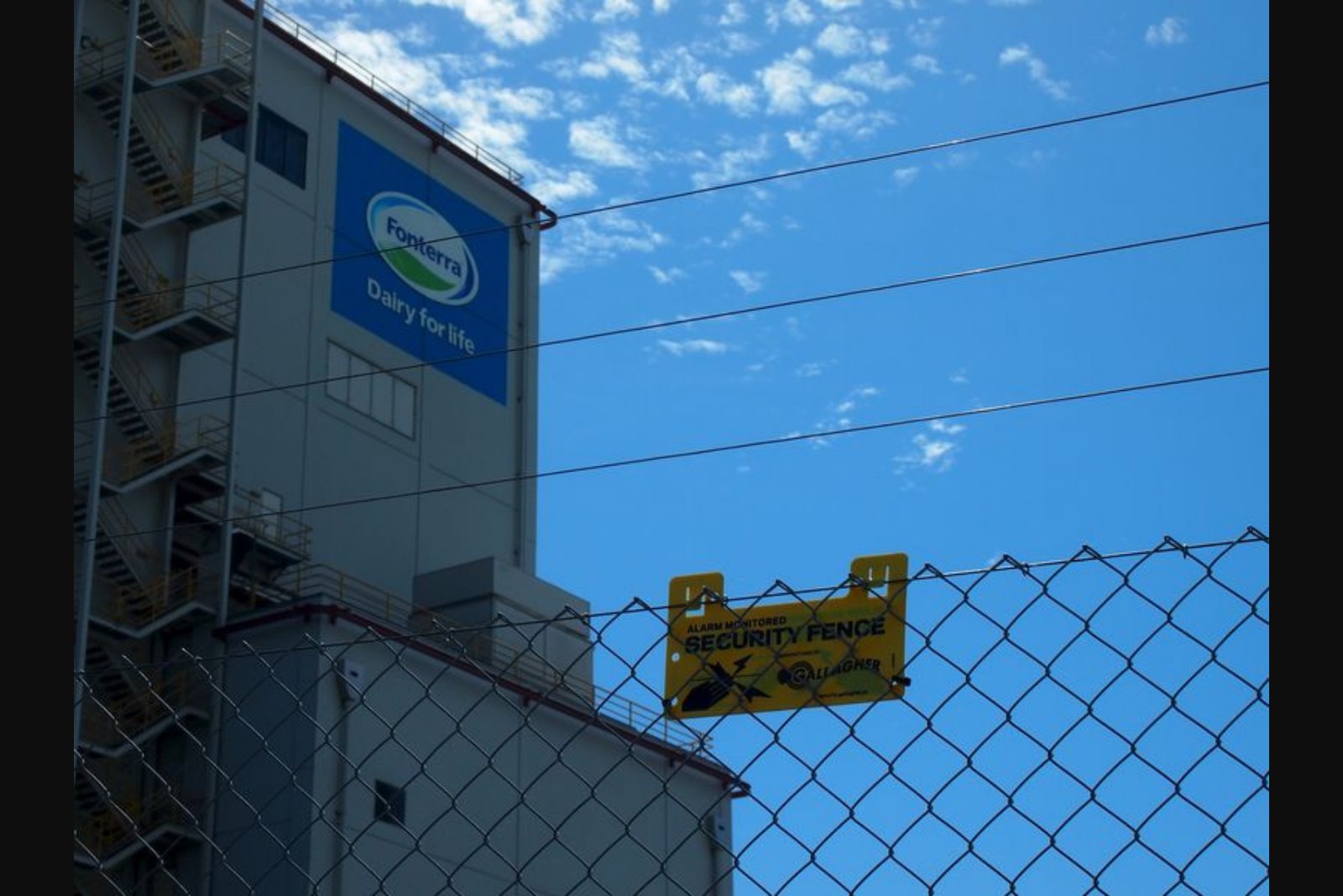
Fonterra has reached a settlement with Greenpeace Aotearoa after the environmental group challenged claims on one of the co-operative's products that suggested the animals were fed solely on grass. In acknowledging the settlement, Fonterra said the label in question was "likely to mislead some New Zealand consumers, particularly those unaware of the nature of the feeds that are provided to dairy cows."
Greenpeace Aotearoa - one of the country's larger environmental organisations - launched the lawsuit in 2024. The organisation said Fonterra had marketed Anchor butter with the statement that it is "100% New Zealand grass-fed," and argued that the assertion was false for butters sold in New Zealand supermarkets during the period from December 2023 through April 2025.
According to Greenpeace's claim, the cows producing milk for that butter had their diets supplemented with non-grass feeds, including palm kernel. The environmental group criticised the label as deceptive and legally non-compliant.
"An admission of guilt from New Zealand’s biggest company is a massive win against corporate greenwash everywhere. It’s simple: companies shouldn’t be allowed to mislead customers to sell products," Greenpeace spokesperson Sinéad Deighton-O’Flynn said in a statement. "Palm kernel is a dry, gravelly cow feed that comes from the destroyed paradise rainforests of Southeast Asia. It isn’t grass, and to claim otherwise is misleading and deceptive."
Fonterra confirmed it had removed the contested label from Anchor butter packaging following the settlement. The company accepted that the labeling could give some New Zealand consumers an incorrect impression about the feeds provided to dairy cows.
Market reaction was limited: shares of Fonterra were 0.3% lower as of 2327 GMT on the day the settlement was reported.
Summary
Fonterra settled a lawsuit with Greenpeace after conceding that a "100% New Zealand grass-fed" label on Anchor butter could mislead shoppers. Greenpeace alleged the claim was unlawful for products sold between December 2023 and April 2025 because cows were fed non-grass supplements such as palm kernel; Fonterra has removed the label. The company's shares slipped modestly following the announcement.
Key points
- Fonterra admitted the label was likely to mislead some New Zealand consumers and removed the claim from Anchor butter packaging.
- Greenpeace Aotearoa had sued in 2024, arguing that butter sold between December 2023 and April 2025 carried a false "100% New Zealand grass-fed" claim while cows received non-grass feeds including palm kernel.
- Shares of Fonterra were down 0.3% as of 2327 GMT on the day of the settlement announcement.
Risks and uncertainties
- Legal and reputational risk for dairy producers and brands if labeling is found to mislead consumers - relevant to the dairy and retail food sectors.
- Potential consumer confusion about product claims and animal feed practices - affecting consumer goods and supermarket sectors.
- Market sensitivity to corporate admissions and litigation outcomes, as reflected in the modest share movement - relevant to investors in listed dairy-related securities.