
Stock Markets March 26, 2026

Federal Court Pauses Pentagon Move to Bar Anthropic from Government Contracts

Judge finds potential punitive motive behind 'supply-chain risk' label as legal fight over military use of AI continues

By Derek Hwang
Federal Court Pauses Pentagon Move to Bar Anthropic from Government Contracts

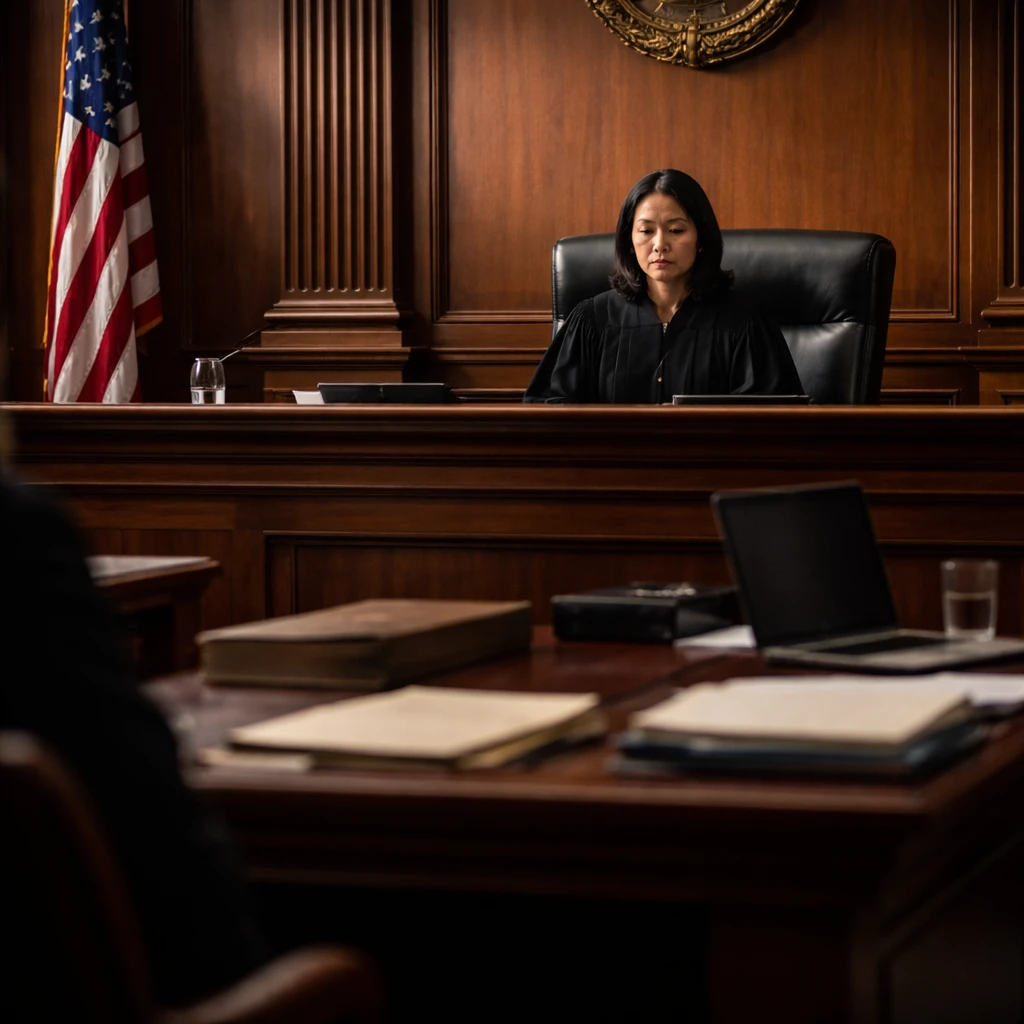
A U.S. district judge has issued a temporary block preventing the Pentagon from enforcing a national security designation that would have barred Anthropic from federal contracts. The ruling - handed down on Thursday by Judge Rita Lin - flagged concerns that the administration's action may have been intended to penalize the company for its public stance on AI safety rather than to address true security vulnerabilities. The decision comes amid a dispute about Anthropic's refusal to permit certain military uses of its artificial intelligence models.

Key Points

  • A federal judge temporarily barred the Pentagon from enforcing a "supply-chain risk" designation against Anthropic, which would limit the company's access to federal contracts - sectors affected include defense contracting and commercial AI providers.
  • Judge Rita Lin found the administration's action may have been intended to punish Anthropic for its public stance on AI safety rather than to address genuine national security threats - this raises legal and policy concerns for government-technology relations.
  • The dispute arises from Anthropic's refusal to allow its models to be used for autonomous weapons or domestic surveillance, putting technology and national security policy at the center of the case.

A U.S. federal judge on Thursday temporarily halted the Pentagon's attempt to place Anthropic on a national security blacklist that would limit the company's eligibility for government contracts. U.S. District Judge Rita Lin ruled the government may not immediately implement its designation of Anthropic as a national security "supply-chain risk."

The court's order prevents the label - which, if enforced, would restrict Anthropic's participation in federal contracting - from taking immediate effect while the matter proceeds through the courts. The judge indicated in her ruling that the administration's actions could have been motivated by a desire to punish the company for its public positions on AI safety rather than by a strictly national security-driven rationale.

Anthropic had challenged the designation on constitutional grounds, arguing it infringed on the company's free speech rights and deprived it of due process. The company also said it was not afforded an opportunity to contest the decision before the label was applied.

The Pentagon has defended the decision to apply the supply-chain risk designation, describing the step as lawful and necessary to protect military systems from potential risks. The agency framed the move as a protective measure intended to shield defense technology and operations.

The underlying conflict centers on Anthropic's policy decisions regarding the uses of its AI models. Anthropic has refused to permit its systems to be used for autonomous weapons applications or for domestic surveillance, a stance that has been cited as a root cause of the dispute with the Pentagon.

Judge Lin's ruling will be delayed briefly to allow the government an opportunity to appeal, meaning the court's temporary block is not yet final. While the decision represents an early legal win for Anthropic, the broader litigation and administrative processes remain unresolved and the case is ongoing.


Contextual note - The court action touches directly on the intersection of national security policy, government procurement, and the public positions of technology providers regarding permissible uses of advanced AI systems.

Risks

  • The government may appeal the temporary block, meaning the designation could be reinstated depending on appellate outcomes - this creates uncertainty for Anthropic's ability to pursue federal contracts and affects defense procurement planning.
  • Ongoing litigation leaves open the possibility of further legal and regulatory action by the administration, increasing operational and reputational uncertainty for technology companies that take public stances on permissible uses of AI.

More from Stock Markets

KOSPI Slides to Two-Week Low as Memory Stocks Plummet on Google's TurboQuant Revelation Mar 27, 2026 Asia Stocks Slip as Iran Tensions Linger; South Korea Hurt by Memory Chip Sell-Off Mar 26, 2026 FMC Flags Spike in Panama-Flagged Ship Detentions in China After Port Control Ruling Mar 26, 2026 U.S. Futures Tick Higher After Trump Pushes Back Iran Energy Strike Deadline Mar 26, 2026 U.S. Officials Say China’s SMIC Sent Chipmaking Equipment to Iran’s Military Mar 26, 2026