
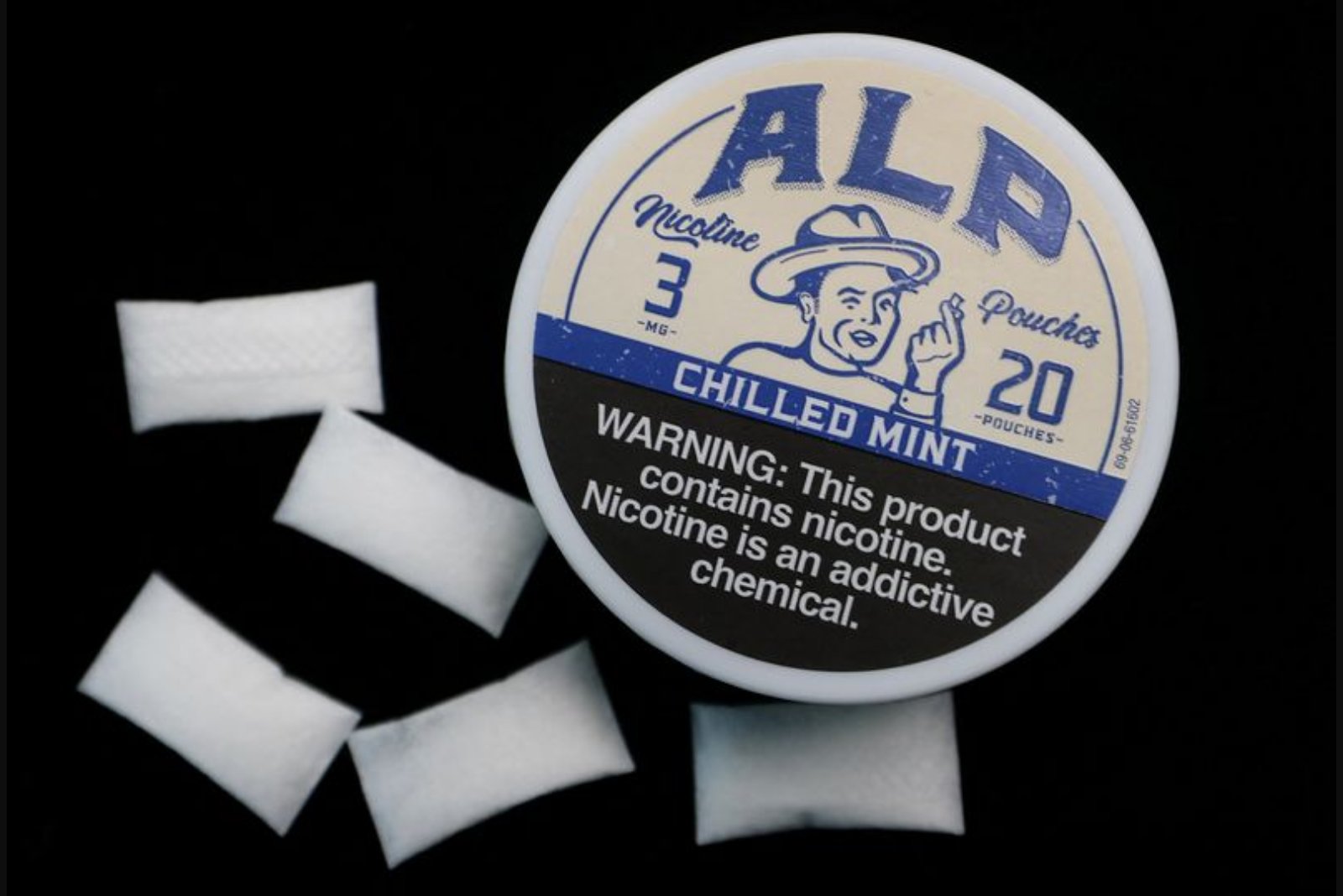
Regulatory reviewers at the Food and Drug Administration have held back on approving several newer nicotine pouch products for sale in the United States, even as a pilot programme was created to accelerate decisions, according to people familiar with the matter. The hesitation stems from concerns that some of the pending products could spur nicotine use among new users - including children - or otherwise increase addiction among non-smokers.
Under U.S. law, novel tobacco products such as nicotine pouches must receive FDA authorisation to be marketed legally. When evaluating applications, the agency balances whether a product is likely to help current smokers switch to a less harmful form of nicotine delivery against whether it will create undue risk among people who do not currently use tobacco, in particular youth and children.
These unresolved applications represent a setback for manufacturers seeking broader access to the U.S. market. The delays affect some of the industry’s largest names, which have submitted applications for newer formulations of established pouch brands. One major manufacturer reported selling hundreds of millions of cans of its current pouch product in the United States in 2025, more than twice its 2023 sales, underscoring the rapid market growth for these products.
The FDA had designed a pilot programme intended to move a subset of outstanding pouch applications through a faster review process, with decisions anticipated by the end of 2025. That pilot produced some early authorisations: six pouch products under a single label were granted licences in December. Yet other applications connected to three separate pouch brands remain unresolved because review teams have taken a more cautious view of the available scientific evidence than expected.
Sources familiar with the FDA’s review process say the evidence supporting a faster pathway for some of these pending products was not as definitive as agency staff had anticipated. Specific concerns highlighted by those sources relate to the potential for increased youth uptake and the risk that adults who do not already smoke could become addicted. Reviewers are reportedly weighing survey data, including the agency’s own annual research on middle- and high-school use of nicotine pouches and brand preferences among those groups.
The FDA itself told questions from reporters that the pilot applications remain on track to be decided more quickly than most other tobacco product submissions. The agency also reiterated that nicotine is highly addictive and not risk-free for adults, and that nicotine exposure can harm developing brains. At the same time, the agency noted that pouches are generally considered less harmful than combustible cigarettes and that switching completely from smoking to pouch use can lower health risks, according to scientific data cited by the agency.
Manufacturers have pushed for more timely authorisations under the pilot, arguing that authorising additional brands would support public health by providing smokers with less harmful alternatives and would restore competitive balance in the U.S. nicotine market. The fast-track effort was developed amid pressure from industry and government stakeholders concerned about the number of applications that had been pending for years, which in some cases left firms unable to market any products legally or forced them to sell only older formulations while their newer ones awaited decisions.
At the same time, sales of nicotine products that remain outside the FDA’s premarket authorisation system have surged, complicating the regulatory landscape. Industry statements indicate that some companies view the pilot as a way to address these market distortions; at least one company said its applications are supported by robust scientific evidence and that it remains in active discussions with the agency. Another major firm did not respond to inquiries about the status of its pending submissions.
Public health advocates have voiced concern that expanding authorised pouch offerings without clear evidence that benefits outweigh risks could lead to higher use among youth in the future, particularly given the products’ growing popularity and relatively permissive marketing approaches by some manufacturers. Those advocating for caution point to the noticeable uptake of pouches among young adults and suggest that it is not obvious that pending products would provide net public health benefits.
People involved in the review process describe the outstanding applications as more complex than anticipated and, as a result, effectively in a holding pattern while agency reviewers probe potential risks. They caution that authorisations should not be assumed to be automatic for all brands included in the pilot.
Promotional evaluation excerpt included in source material: One evaluation service referenced in original materials asks whether investors should buy the PM stock now, noting it evaluates PM alongside thousands of companies using scores of financial metrics. That service states it uses artificial intelligence to assess fundamentals, momentum, and valuation and cites past picks with substantial gains, including examples of companies that had large percentage increases in value. The evaluation service also offers to indicate whether PM appears in any of its strategies.