
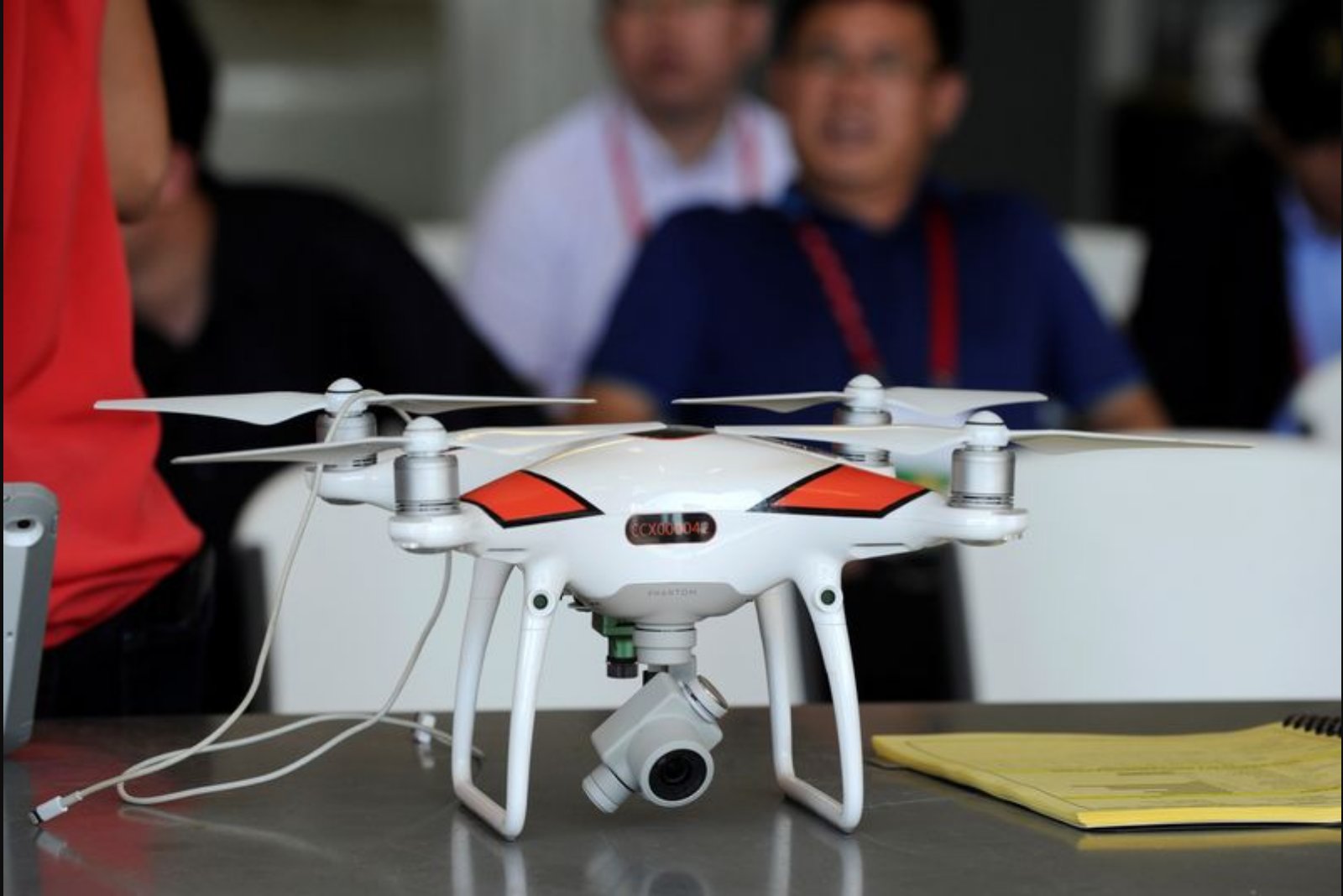
The Federal Communications Commission announced on Tuesday that Chinese-made drones and consumer routers already approved for use in the United States will be allowed to receive critical software and firmware updates through at least the end of 2028.
The decision comes amid a wider U.S. policy push that has restricted the import of new models of certain Chinese electronics on national security grounds. In recent months the FCC has banned the import of new versions of some Chinese drones and routers while maintaining permission for previously approved versions to be imported and sold.
The FCC said the policy change explicitly permits software and firmware updates that address harms to U.S. consumers. According to the agency, the measure will ensure that American users obtain "all software and firmware updates to ensure the continued functionality of the devices, such as those that patch vulnerabilities and facilitate compatibility with different operating systems."
Separately, the FCC is weighing whether to expand import restrictions by adding additional Chinese manufacturers to its so-called "Covered List" of companies the agency deems to pose national security risks. The proposal under consideration would add telecommunications and video surveillance equipment from Huawei, ZTE, Hytera, Hikvision and Dahua to the list. Hikvision has filed suit seeking to block that plan.
The agency's contemplated actions would follow earlier steps in which the FCC barred the import or sale of new models from some of these firms in 2022. The current proposal would not extend to banning previously approved Chinese drones or routers, the agency said.
On April 30 the FCC also voted to advance a proposal to prohibit all Chinese testing laboratories from testing electronic devices destined for U.S. use - devices such as smartphones, cameras and computers. The FCC noted that roughly 75% of U.S. electronics are tested in China, a statistic it cited as part of the rationale for the laboratory testing proposal.
In addition to import and lab testing restrictions, the FCC voted to advance a proposal that could bar China Mobile, China Telecom and China Unicom from operating data centers in the United States, and that could prevent certain telecom carriers from interconnecting with entities the agency regards as security threats.
The agency is also examining broader interconnection limits. The FCC said it is considering prohibitions on interconnection with companies that own data centers or have points of presence at U.S. internet exchange points, extending restrictions to some affiliates of companies on the Covered List, and forbidding interconnection with carriers that use equipment supplied by firms on the Covered List.
The regulatory moves form part of a layered approach the FCC is advancing: allowing continued maintenance and security updates for already-approved consumer devices while pursuing tighter controls on imports of new equipment, laboratory testing, data center operations and interconnection arrangements.
Context and implications
- Permitting updates preserves the ability to patch vulnerabilities and maintain compatibility for existing consumer routers and drones currently on the U.S. market.
- At the same time, the FCC is extending scrutiny to broader parts of the electronics and telecom ecosystem, including equipment makers, testing labs, data centers and carrier interconnections.
- Regulatory decisions under consideration could affect how carriers, cloud operators and equipment vendors operate in or with the United States if adopted.