
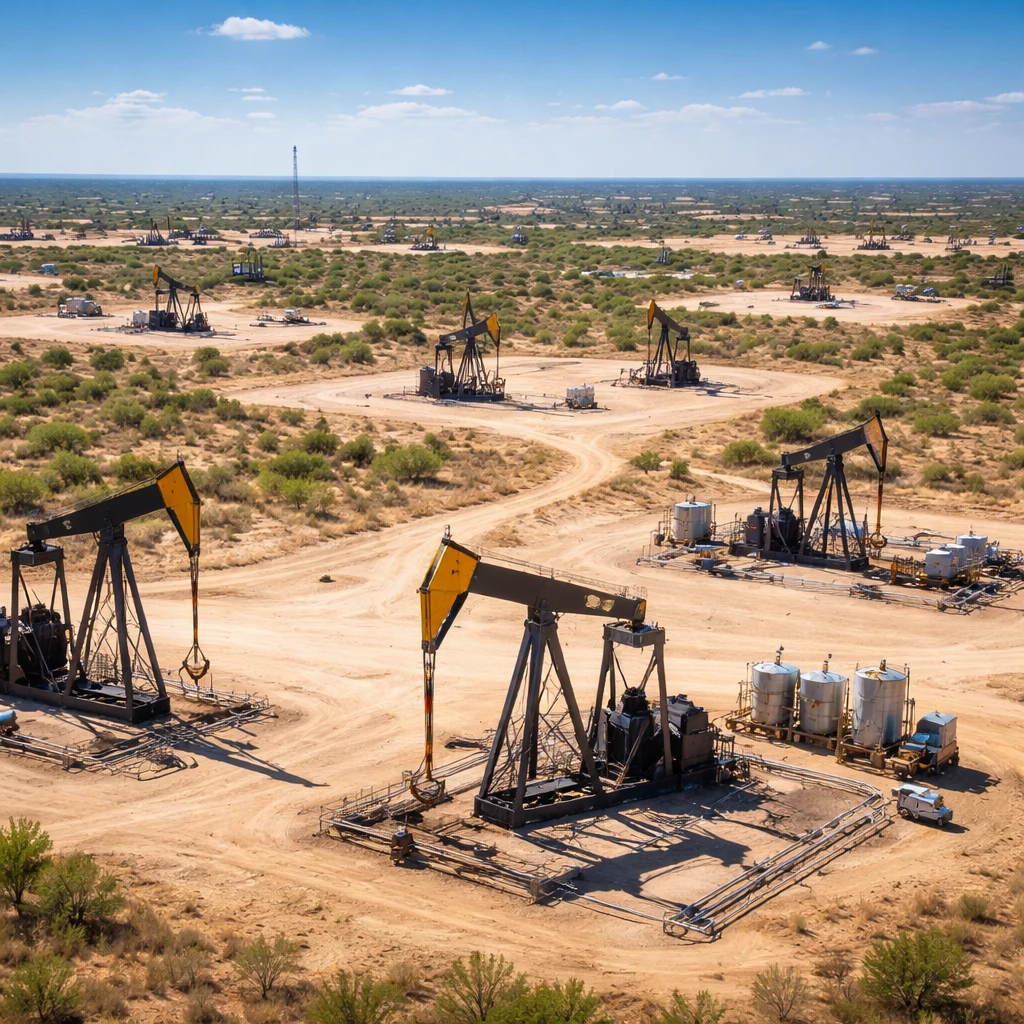
ExxonMobil's subsidiary, XTO Energy, has initiated a confidential marketing process to sell select assets within the Eagle Ford shale basin in South Texas. Representing approximately 168,000 net acres and valued over $1 billion, these assets include over a thousand wells with a mix of operated, non-operated interests, and royalty positions. This move aligns with Exxon's broader portfolio optimization strategy amid shifting focus to its projects in the Permian Basin, Guyana, and LNG investments amid challenging market conditions for shale producers.
Key Points
- ExxonMobil’s subsidiary XTO Energy is actively marketing select Eagle Ford shale assets totaling about 168,000 net acres with a valuation over $1 billion.
- The assets include over a thousand wells with varying operational roles: some operated by Exxon, others as non-operated interests or royalty-generating holdings.
- This divestiture is part of Exxon’s broader strategy to refine its portfolio by focusing on key areas such as the Permian Basin, Guyana, and LNG projects, aligning with industry trends of asset optimization amid market pressures.
In a strategic portfolio adjustment, ExxonMobil’s subsidiary XTO Energy has begun seeking buyers for certain assets located in the Eagle Ford shale basin in South Texas. This action was confirmed by an Exxon representative who indicated that the company is gauging market interest for these specific holdings as part of ongoing efforts to optimize its asset portfolio.
Two anonymous sources familiar with the process disclosed that Exxon recently established a virtual data room to facilitate the sale of these properties. The Eagle Ford assets span around 168,000 net acres and carry a valuation exceeding $1 billion. Included within this portfolio are over a thousand wells; some are directly operated by Exxon, others involve Exxon holding passive, or non-operated, interests, and there are also wells generating royalties for the company.
Notably, XTO Energy is managing the asset sale internally without the engagement of external investment banking firms. The confidential nature of the transaction remains tightly maintained in these preliminary stages.
Exxon’s spokesperson emphasized that this marketing effort is consistent with the company's ongoing strategy to continuously and carefully evaluate its asset portfolio to ensure optimal deployment of capital and focus on the most strategic, high-return opportunities.
This divestiture aligns with recent trends within the U.S. oil industry where producers are streamlining operations by shedding non-core assets to concentrate on the most lucrative segments of their business. For Exxon, priority focus areas include its vast holdings in the Permian Basin across Texas and New Mexico, which remain the premier oil-producing regions in the country. Additionally, Exxon maintains significant investment emphasis on its operations in Guyana, regarded as one of the most prolific oil discoveries in recent decades, and on expanding its liquefied natural gas (LNG) ventures.
Over the past several years, Exxon has adjusted its asset base in line with this focus. In 2024, the company completed a $60 billion acquisition of Pioneer Natural Resources, reinforcing its footprint in the Permian Basin. Along with this expansion, Exxon has divested assets such as its majority stake in the French Esso subsidiary, and interests located in the Williston Basin covering North Dakota, Montana, and Canada. Furthermore, the company announced plans to reduce its global workforce by approximately 2,000 employees as part of broader cost-efficiency measures.
The impetus for increased asset sales among producers is also influenced by prevailing market conditions. Global oversupply pressures have contributed to lower oil prices, eroding profitability particularly for shale producers, and thereby prompting a cost-cutting approach and capital preservation initiatives across the sector.
As of the latest close, benchmark U.S. crude — West Texas Intermediate (WTI) — settled at $61.07 per barrel, marking an 18% decline compared to the same period last year. This downward price trajectory has instigated concerns about producer margins and contributed to a wave of portfolio realignments and asset rationalizations in the shale sector.
Ultimately, Exxon’s movement to sell parts of its Eagle Ford position underscores an industry trend toward a sharper focus on core, high-value assets while strategically exiting less central holdings to navigate a complex commodity price environment and maintain operational efficiency.
Risks
- Volatility in global oil prices, evidenced by an 18% year-over-year decline in WTI crude, poses a risk to shale producer profitability and may impact the pace or pricing of asset sales.
- Continued market oversupply concerns could pressure shale operators, including those in the Eagle Ford region, leading to potential further cost-cutting and operational adjustments.
- Confidentiality and lack of external advisory engagement may limit transparency and market signaling, imparting uncertainty on potential bidders and deal outcomes.